


70 | Sándor PINCZEHELYI
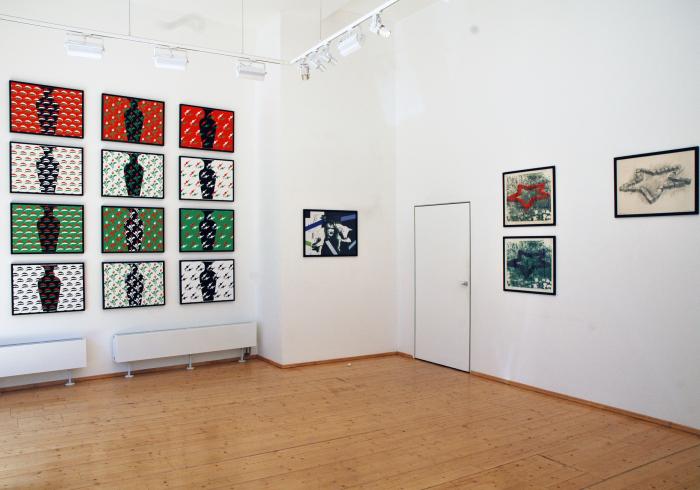
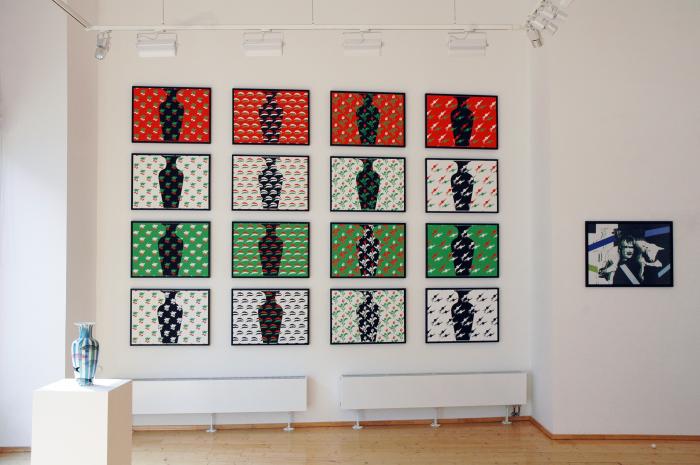
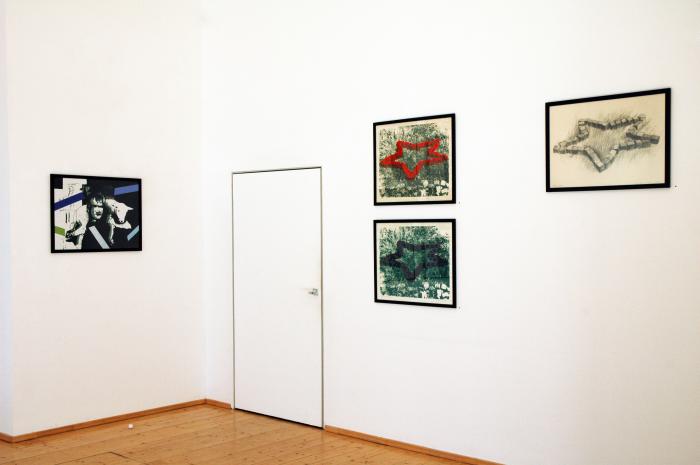
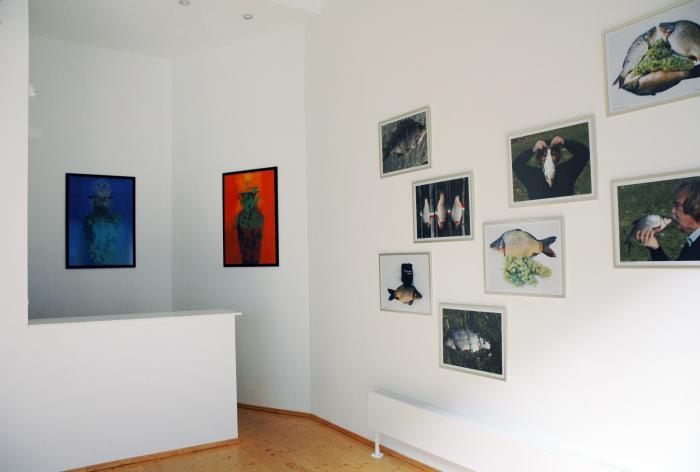
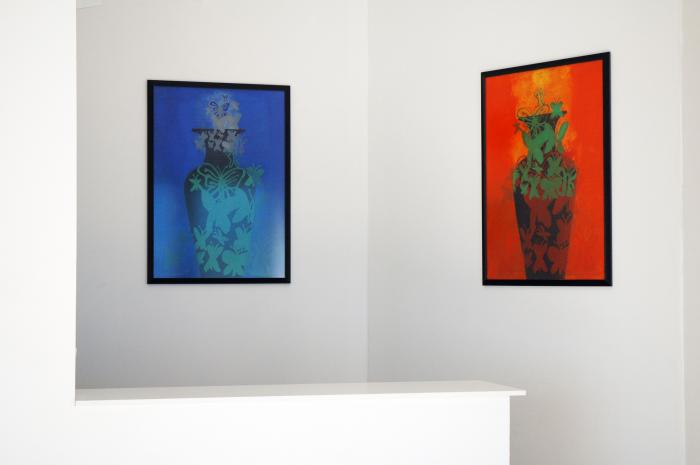
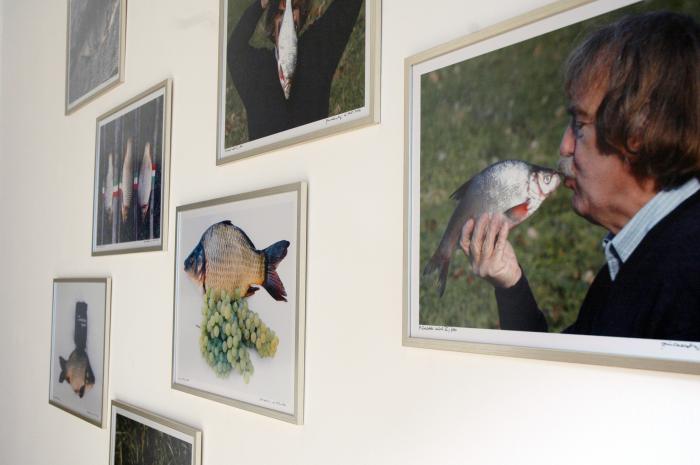
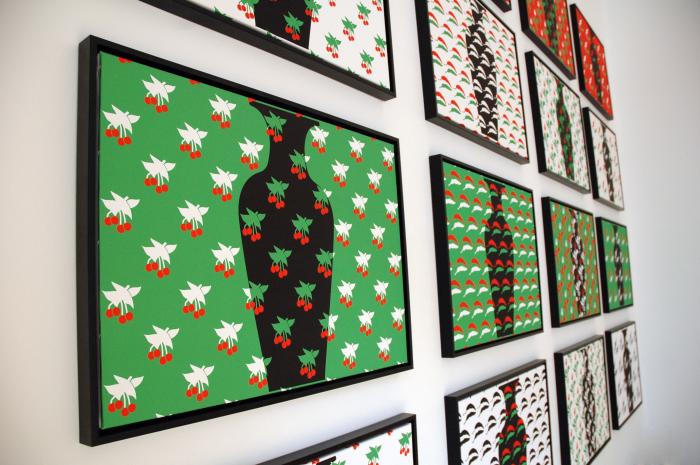
VILTIN Gallery?s next solo show displays the non-retrospective, yet comprehensive selected group of works of Sándor PINCZEHELYI, one of the most significant artists of the Hungarian contemporary art scene. On the occasion of his 70th birthday the exhibition focuses on the tendencies of his motif- and symbol system which spans from the past to the most recent days.
PINCZEHELYI?s career is widely complex including his autonomous artistic practice and his graphic designer activities as well. Besides being a prominent member of the legendary Pécsi Műhely and the Hungarian Poster Association, the most progressive and significant period of the Pécsi Gallery developed also under his directorship (1977-1999). He was - together with Imre Bukta and Géza Samu - the exhibiting artist representing Hungary in the national pavilion at the Venice Biennial in 1988 which gave him international recognition.
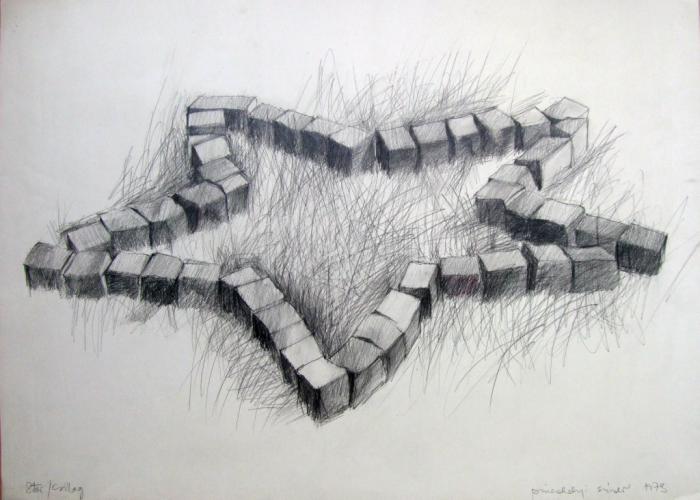
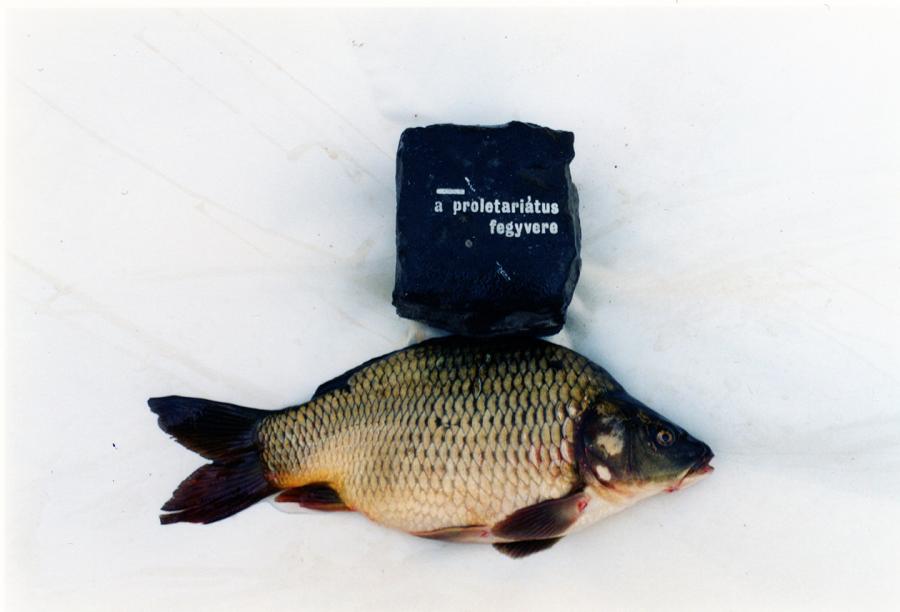
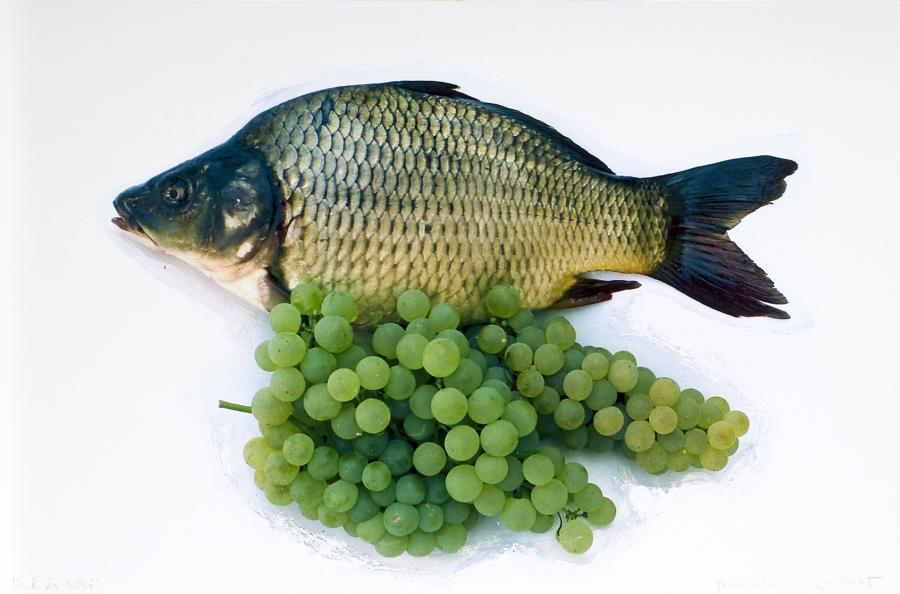
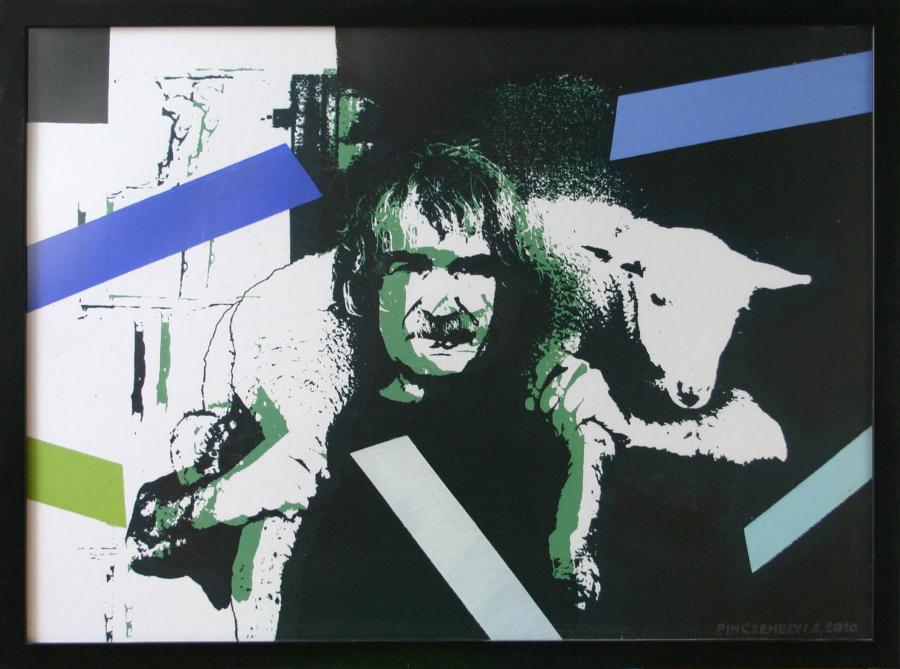
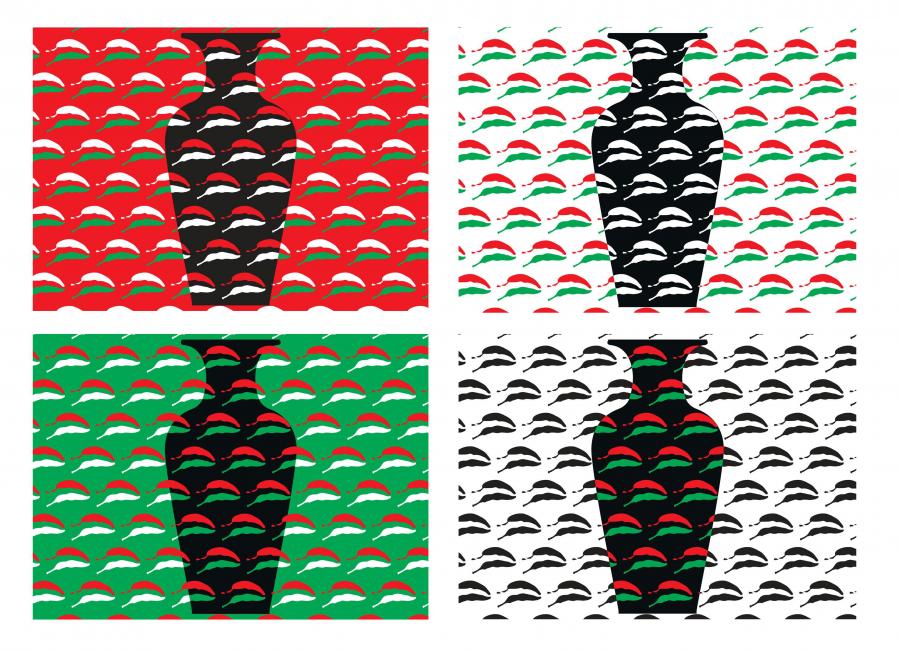
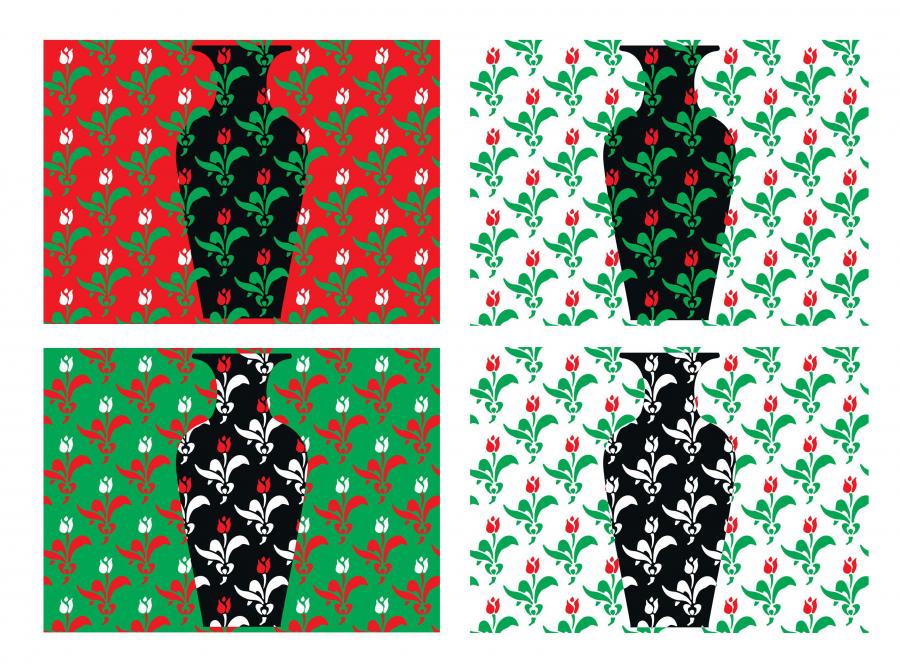
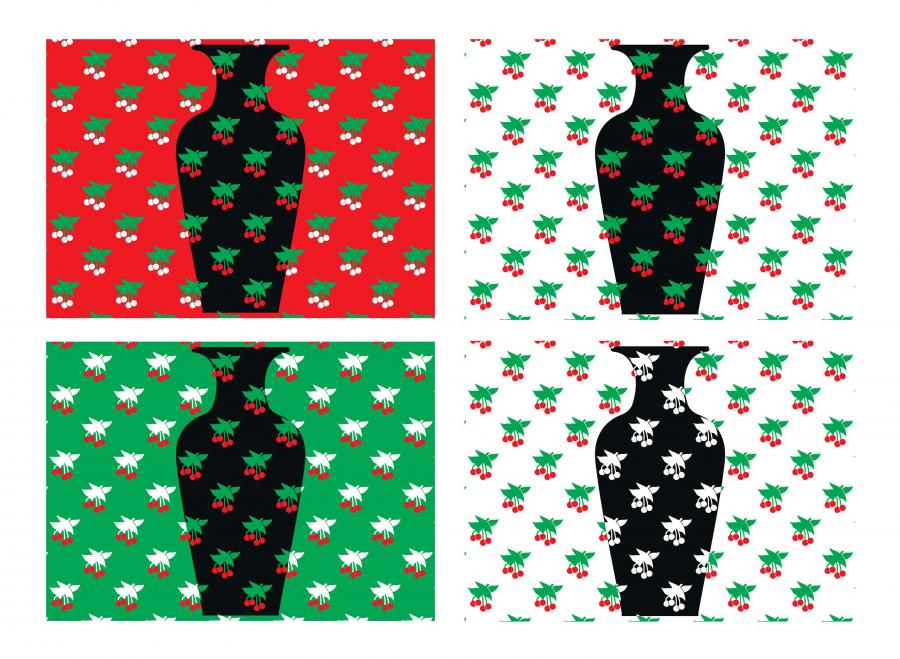
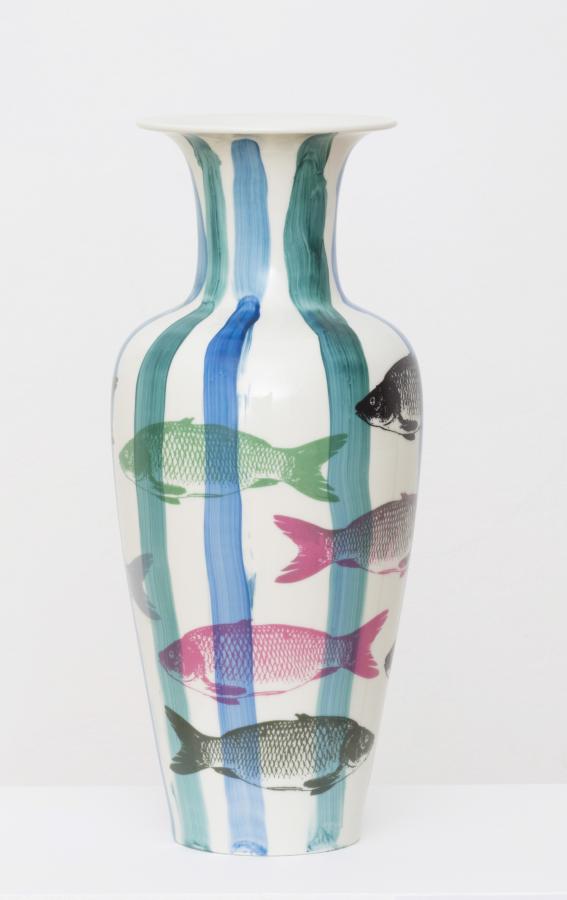
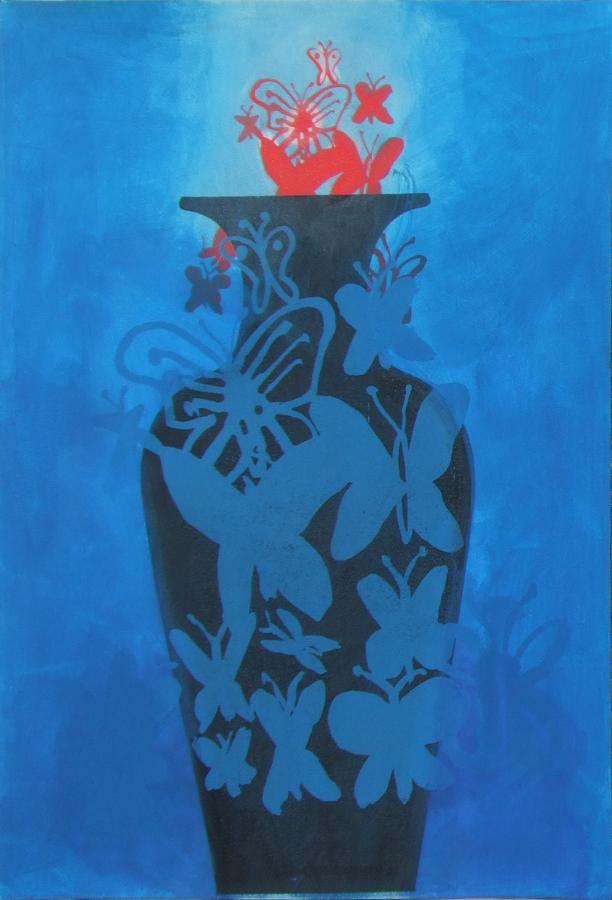
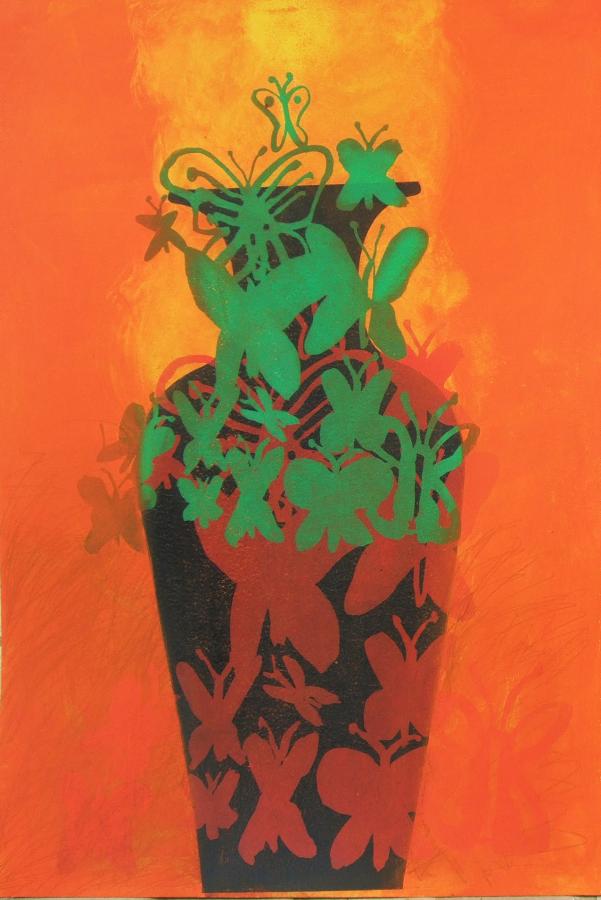
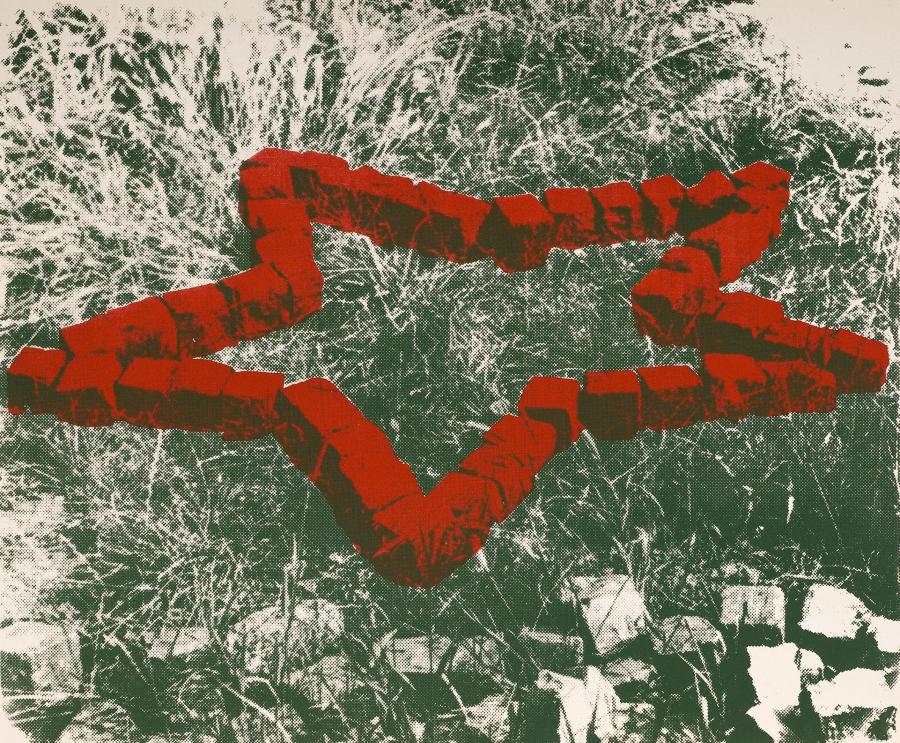
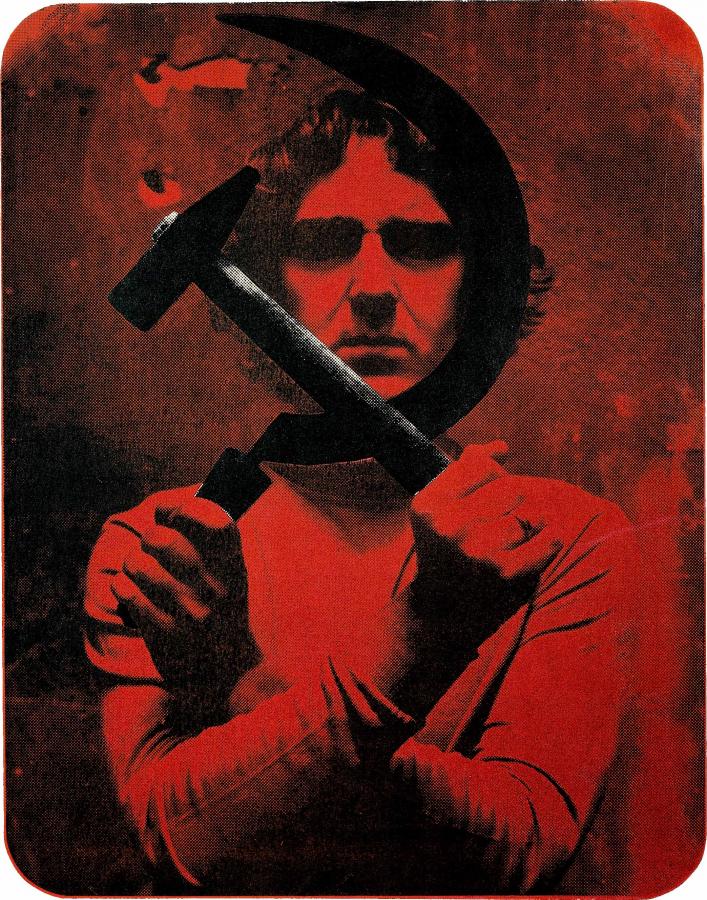
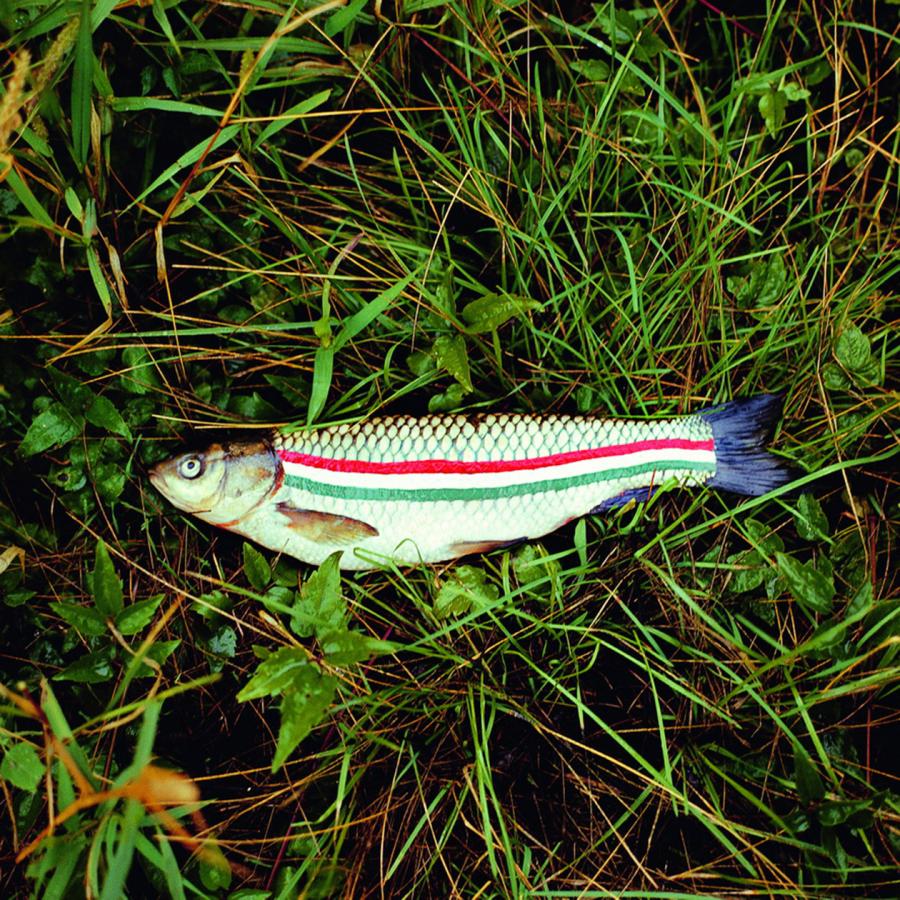
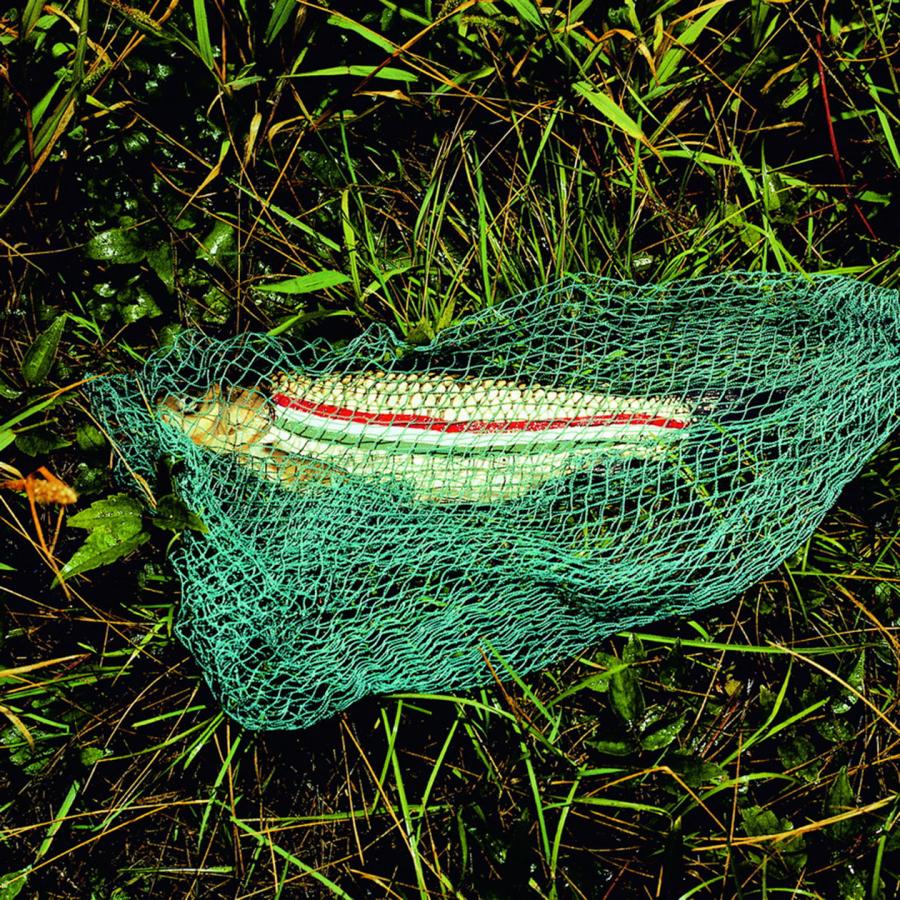
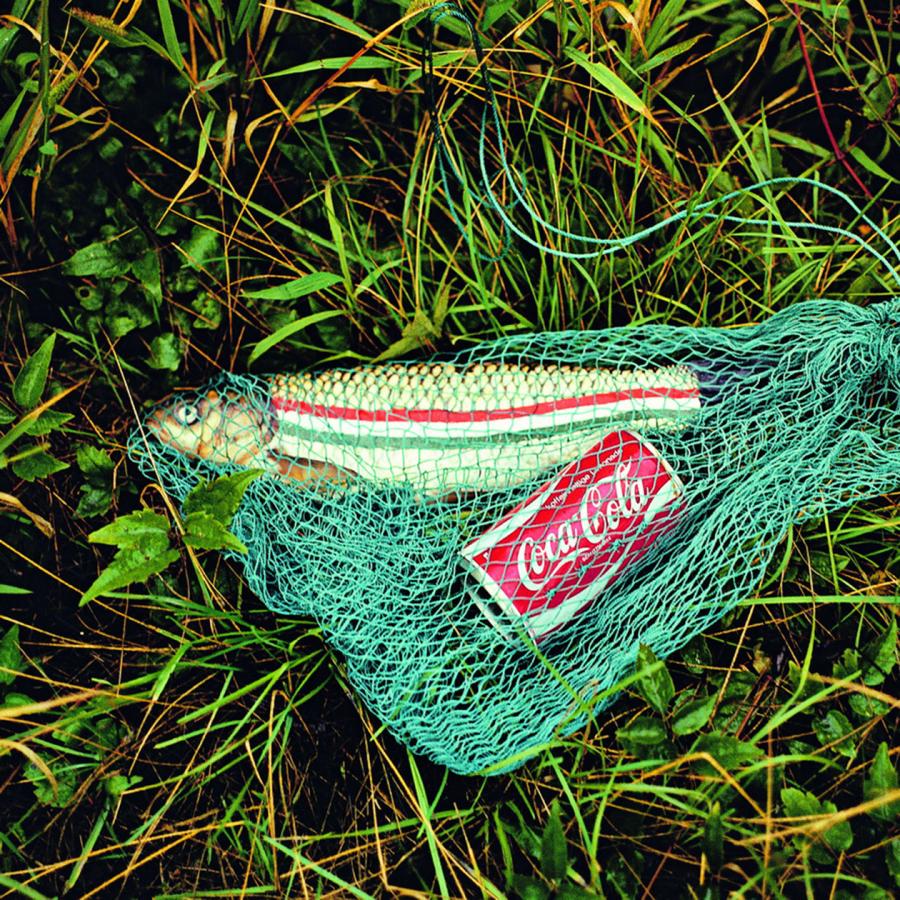
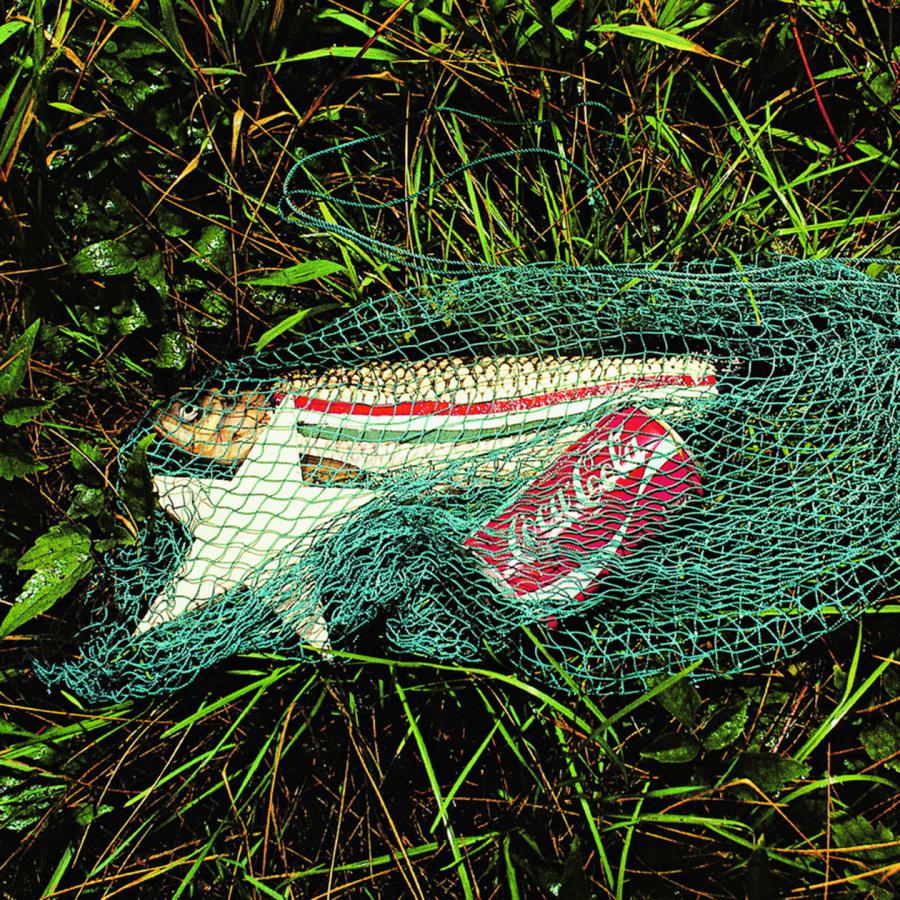
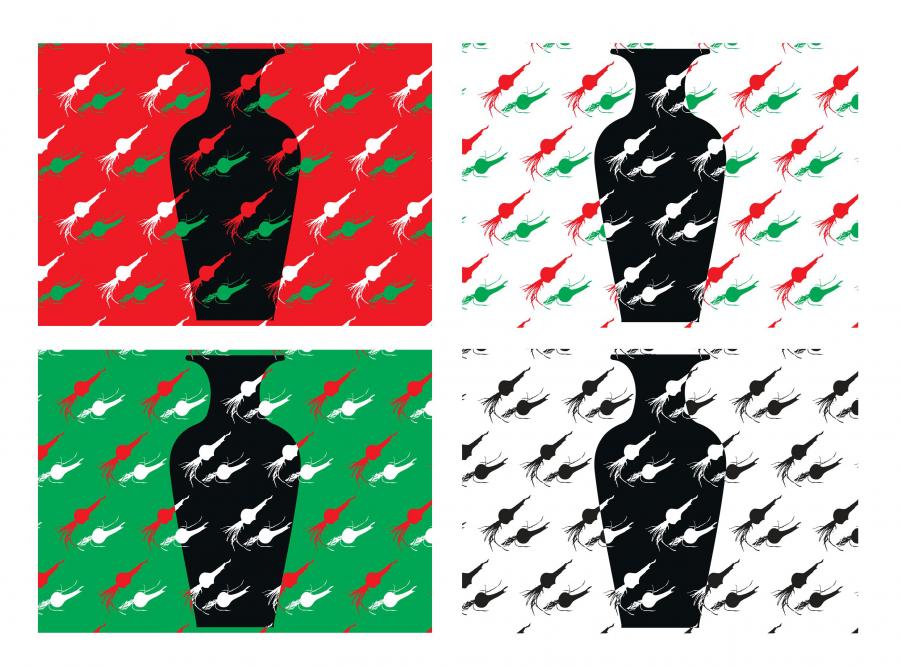
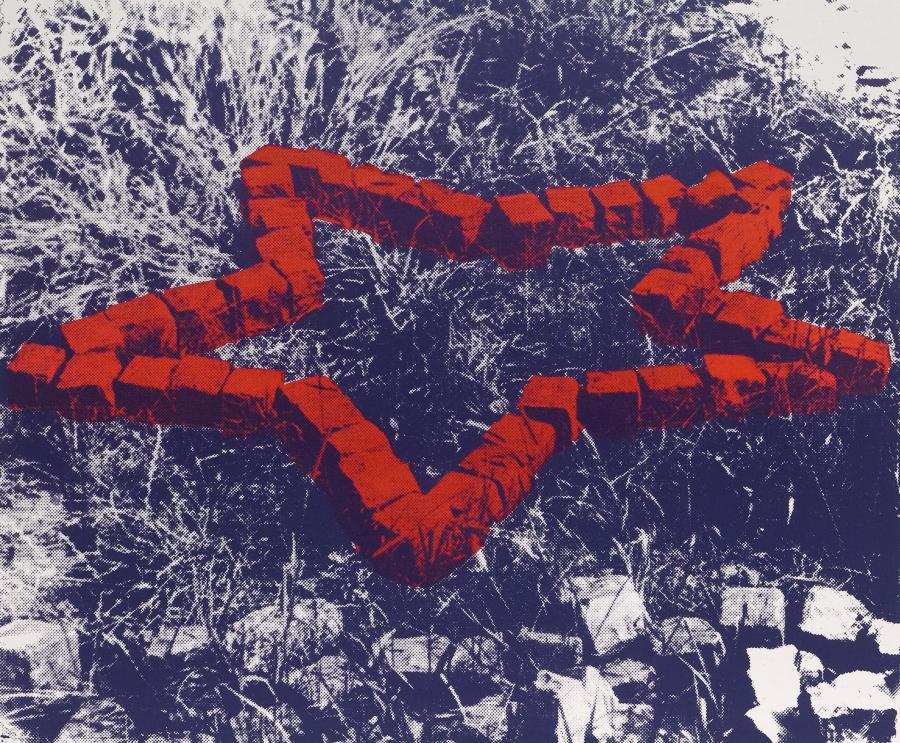
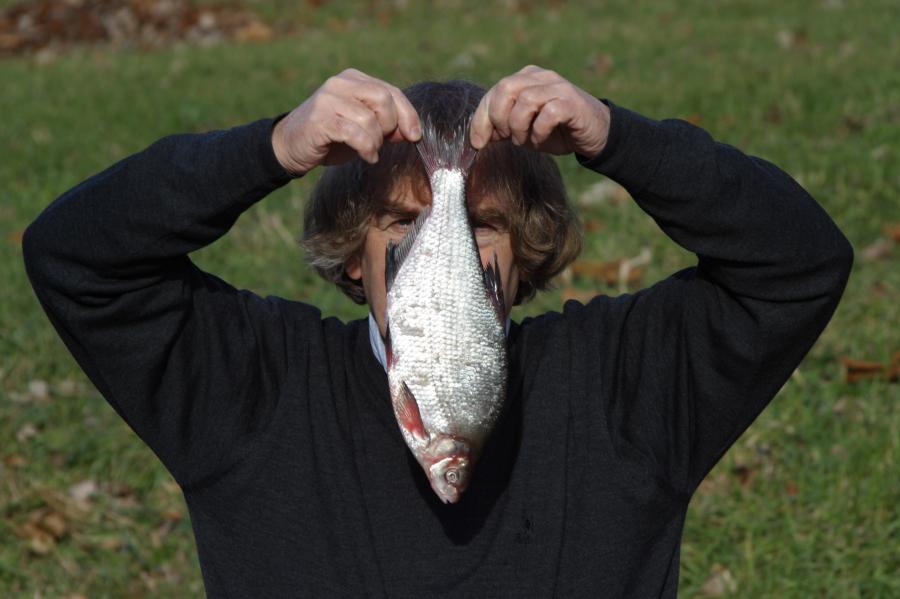
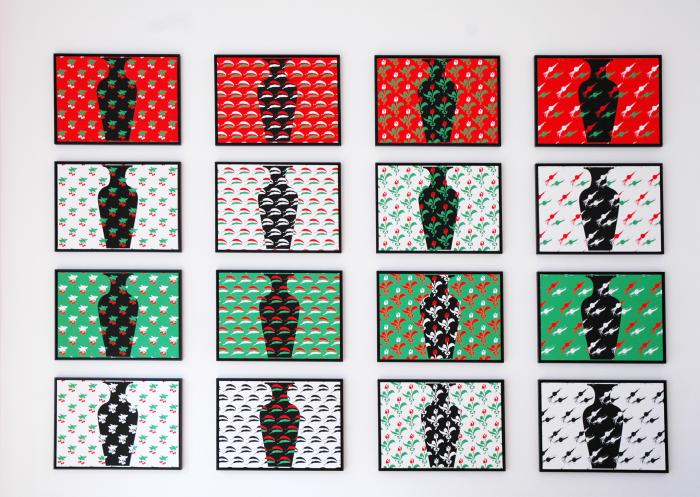
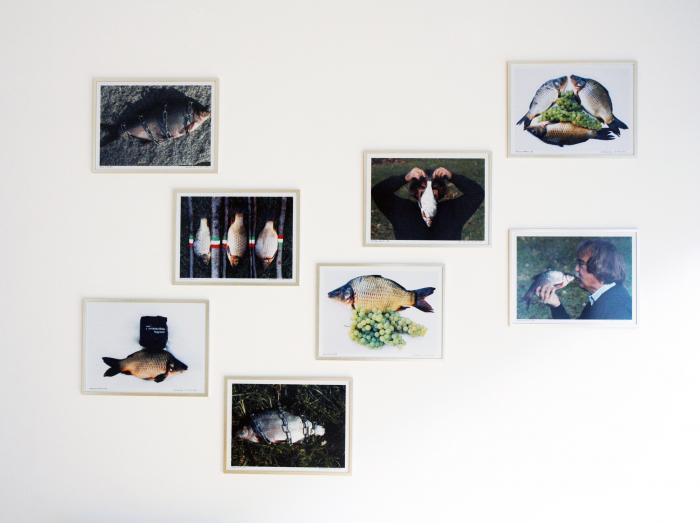
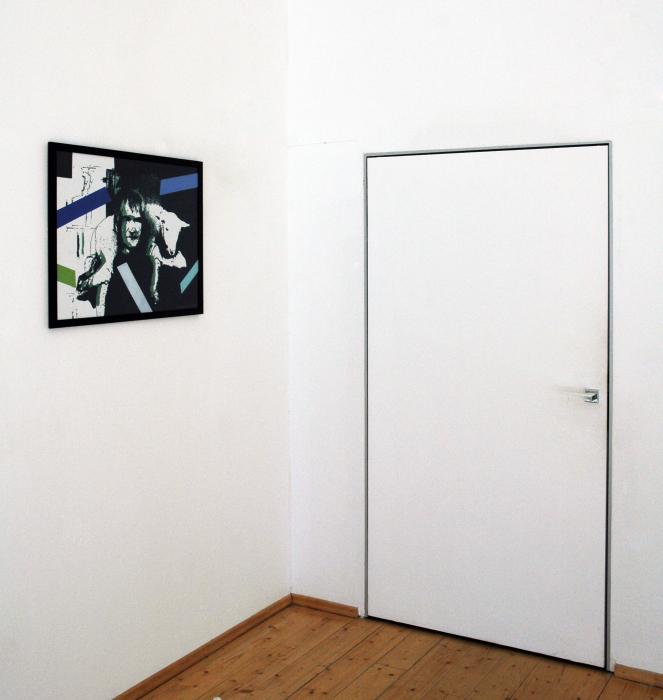
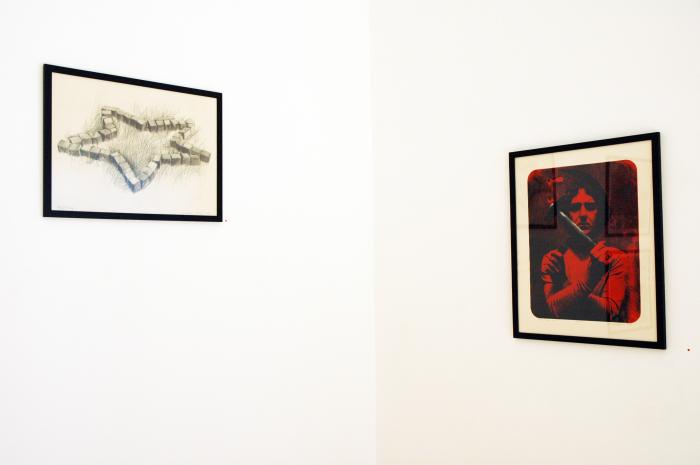
His works are characterised by the qualities of seriality and reduction, which are structured by using direct visual elements, emblems and often objectified symbols of power. Recontextualising and transforming them into various media, all these symbols get a new set of interpretations. In an ironic and playful way, he 'cleans' these visual elements making them free from any unnecessary connotations. In his works frequently occurring powerful symbols such as hammer and sickle, cobble, star, paprika, fish and later the backyard animals (pig, goose, lamb) or even the national colours - red, white, green (RWG), which have became the icon of the subjective history, are reflecting on both the individual and the social level of our life.
The transition in 1989 resulted changes in PINCZEHELYI's art as well. His political themes faded into the background, instead of reflecting on the phenomena of the macro environment he has started to react to the changes of his micro environment, and narrative has also came more into view. Today, his artistic focus is centred on his life and milieu with rethinking and layering varied symbols and patterns.
In the last years he is seeking for visual-aesthetical challenges at the intersection of autonomous and applied arts.




Sándor PINCZEHELYI