


Studies on Trust | group exhibition
Miklos GAÁL | Kocsis Tibor iSKI | Patrícia KALICZKA | András KIRÁLY | Péter KOVÁCS | Zsuzsanna KÓRÓDI | Botond RÉSZEGH
Sometimes happenings meet. The cloud meets the sunlight, a scared look with a smile. The spot with the line, the colours of light with the browns and greys of the soil. The revolutionary enthusiasm with indifference. The past with the future. In high art politics rarely appear, if it does so, the artists express their opinions rather ironically or critically. The situation of war is indeed different, as is the war itself. Due to its age the contemporary western artist?s ?typically non-existent ?instead of his personal memory the collective memory acts. This is how he remembers fear, dread, uncertainty, pain, distrust. He has not experienced it, yet he gets chest pain, his heartbeat is elevated if he hears the word: war. There is no deeper collective ingrained communal memory, event evoking anxiety. It is the same in the case of the war going in our neighbourhood. Knowing the historical background of a given time is necessary to explore its art. A researcher in the future will experience the same thing.
The current events can be followed almost live thanks to different news platforms, as we do we instantly become involved, out speech reflects our habits. The anxiety is real for all of us, to which the everyday person can essentially react in two ways: One is the revolutionary, ready to act, active, who sympathises with his peers and refugees, who are effected by the war, instantly donating, offering room in his own home, volunteering, commenting on social media platforms according to his beliefs. The other one is a passive, observing, contemplating, yet not indifferent, who due to its temperament is more silent and distant. It doesn?t matter which, the most important that the disinterest and indifference not to overcome anyone. The artist is different. He becomes part of the events, due to his creating status, his sensibility. The most exciting works are not born after as reflections, but they forerun the events testifying an ability of prophet. Thinking of the poem of Petőfi, who penned it down two years before the 1848-49 revolution:?...One undefiled word fluttering overhead / That word Liberty / Chanted incessantly, / Chanted across the globe from east to west, / There, where the tyrant, dares to raise his crest, / There, where guns resound, / Let my corpse be found, / There let my young heart drain its blood away, ...? (translated by George Szirtes fromOne thought, source) Another clairvoyant artwork is by the 100 years ago active Oskar Kokoschka: after painting the portraiture of Auguste Forel, the excellent psychiatrist and his family didn?t acquire the work. ?With my hand in a fist, I look like someone who had a stroke.? ? said Forel. Which really happened 18 months later. There are several similar examples proving the timely relativity of the creative mind.
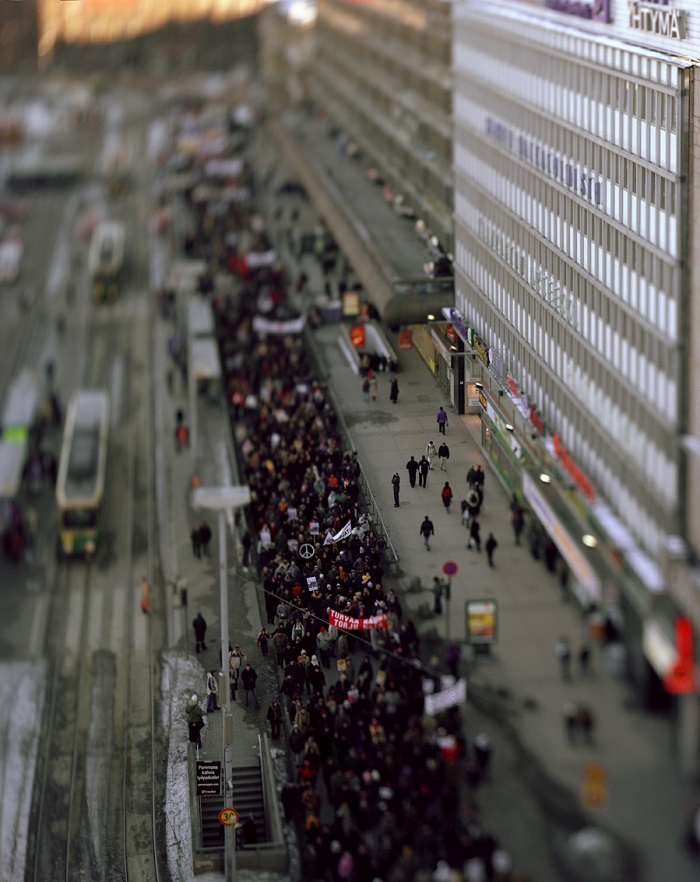
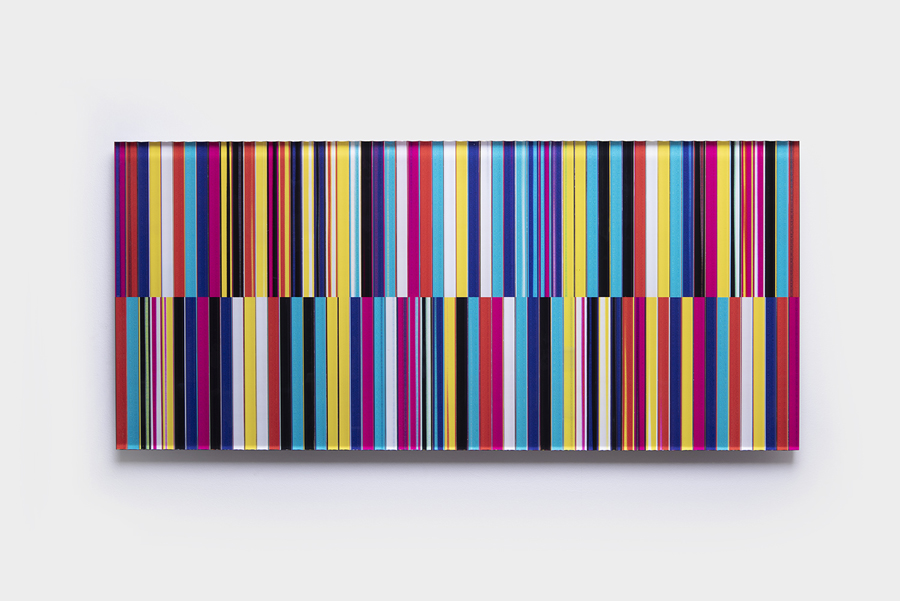
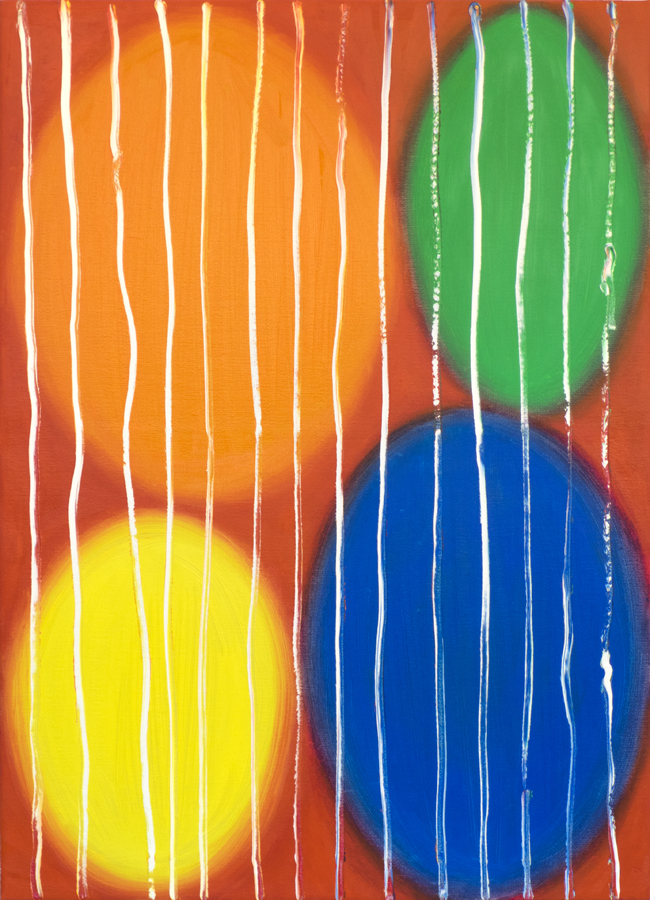
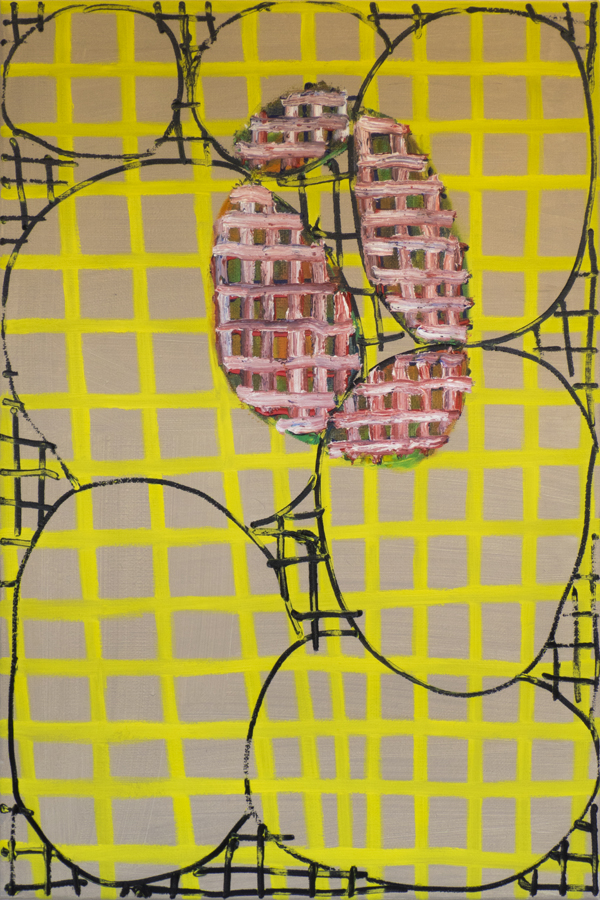
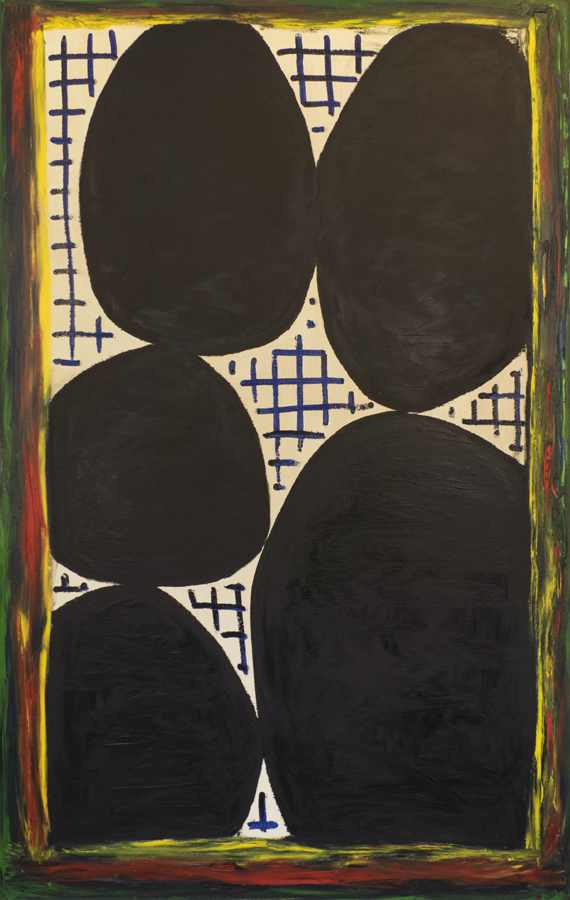
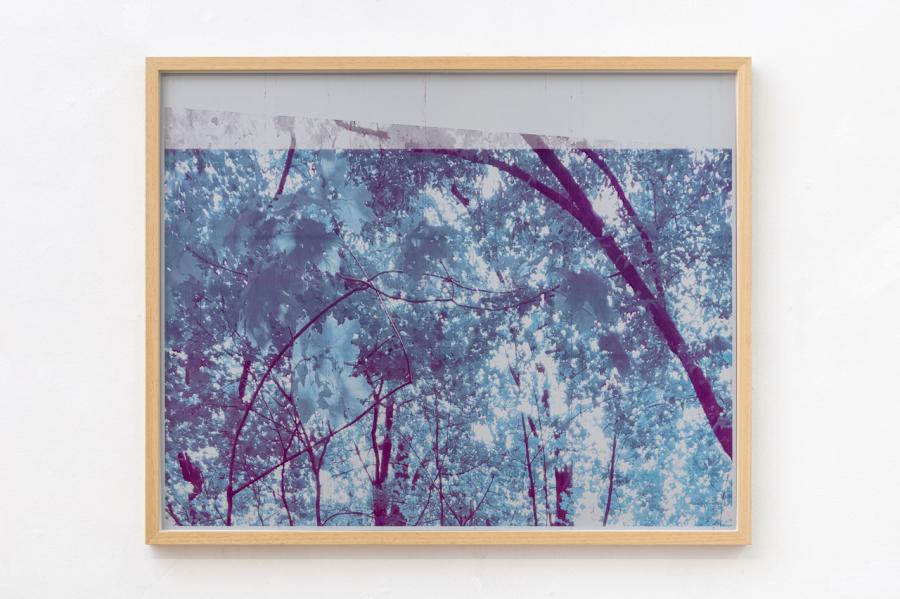
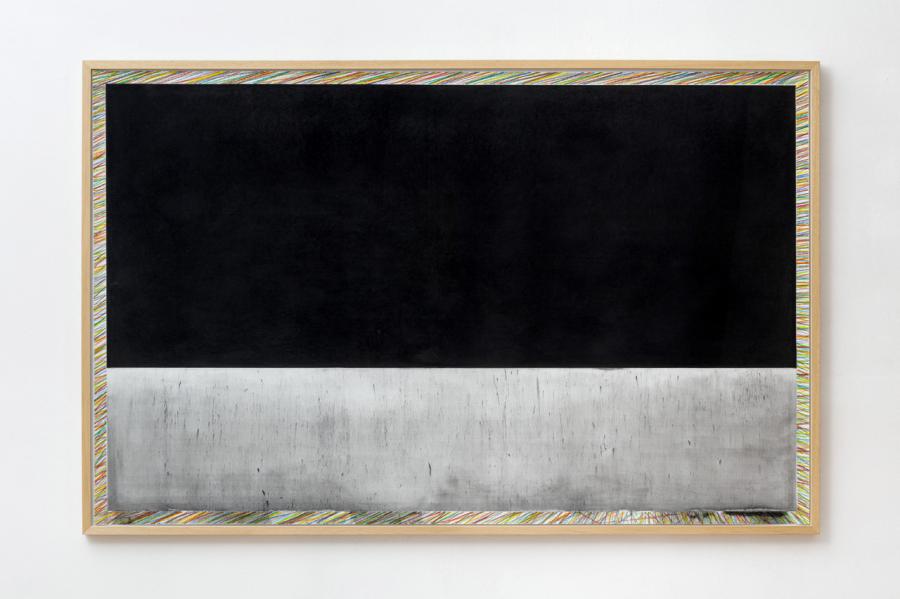
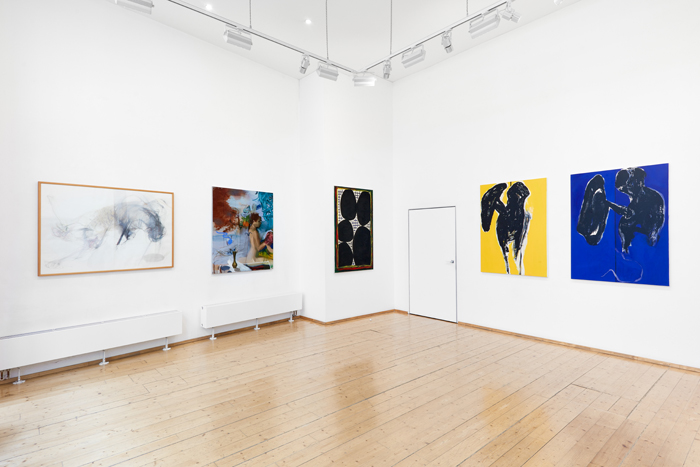
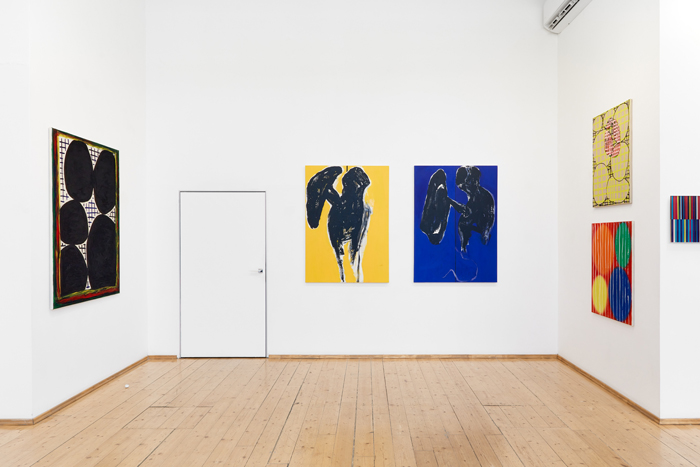
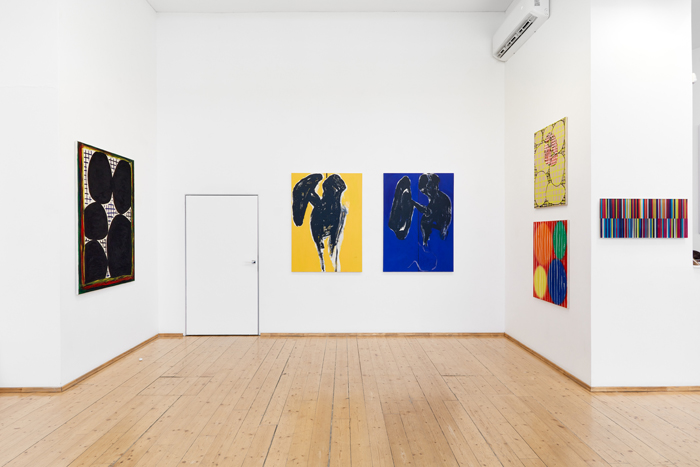
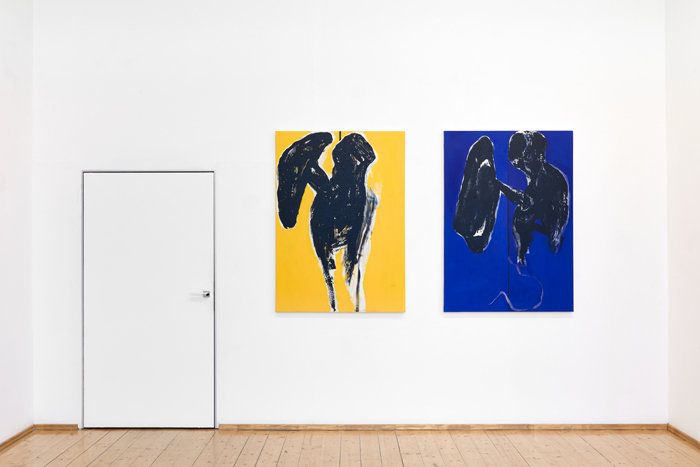
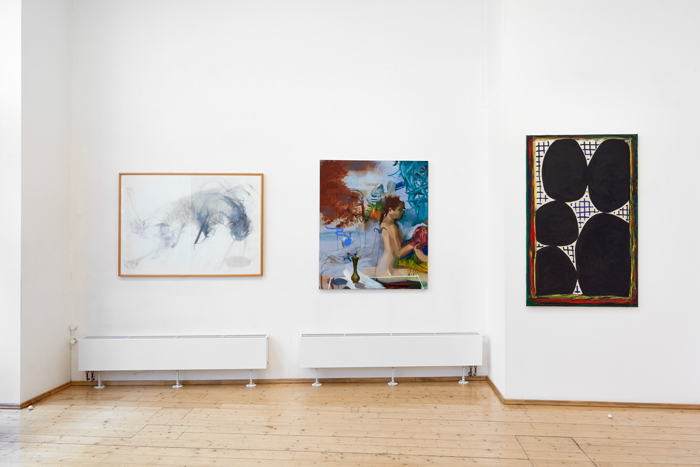
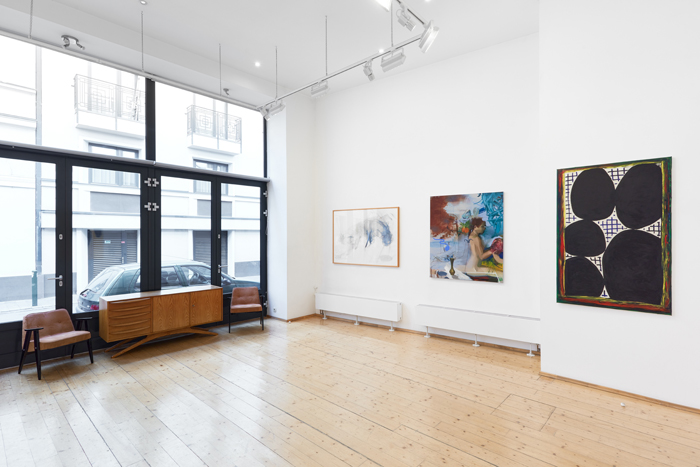
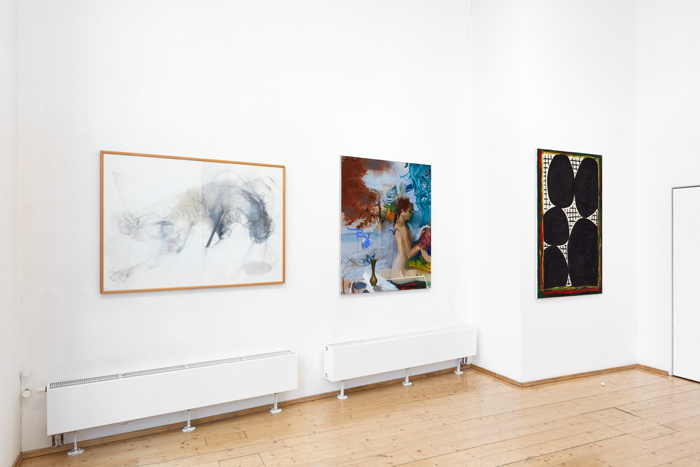
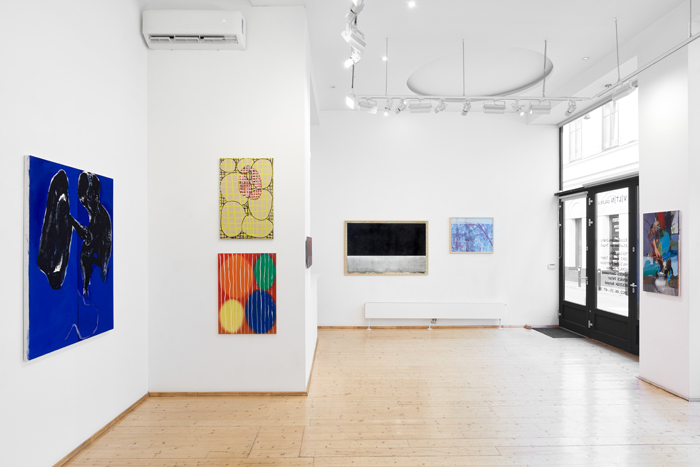
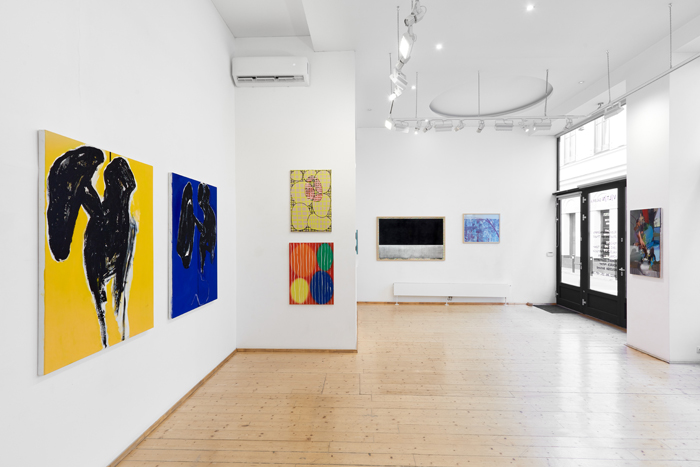
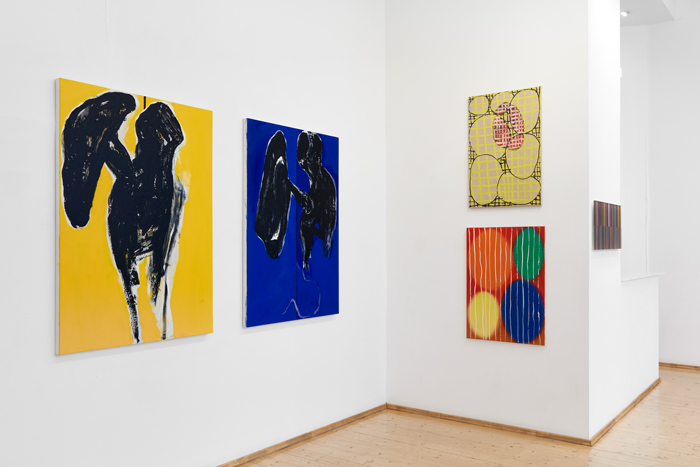
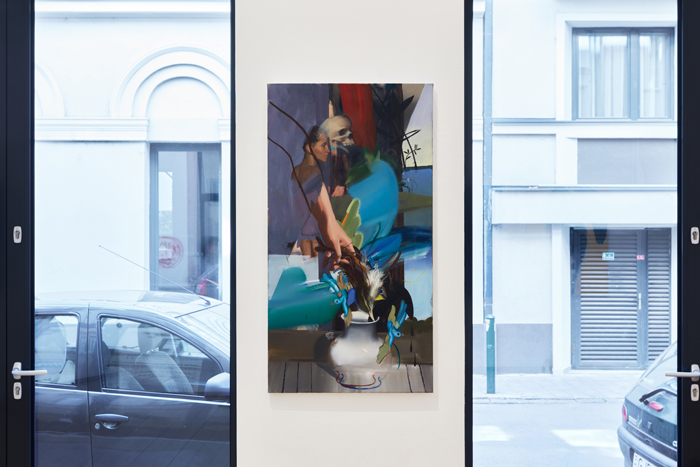
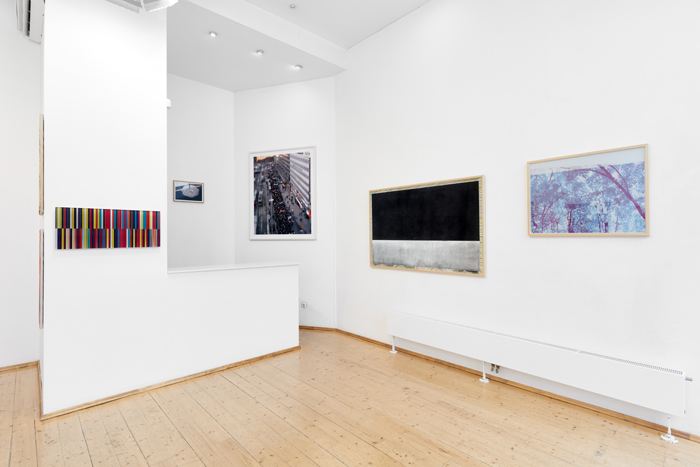
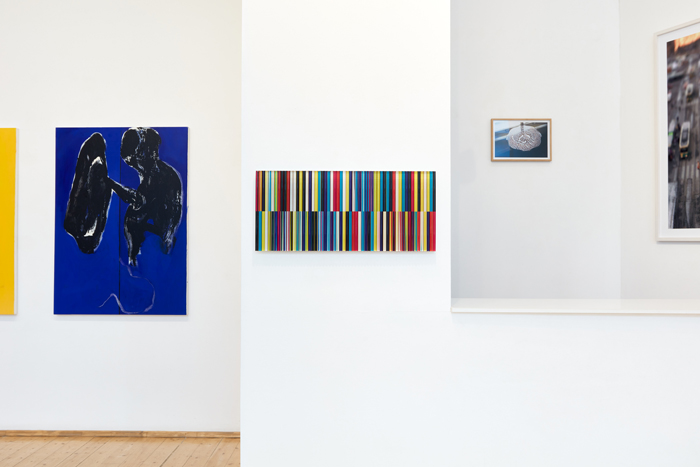
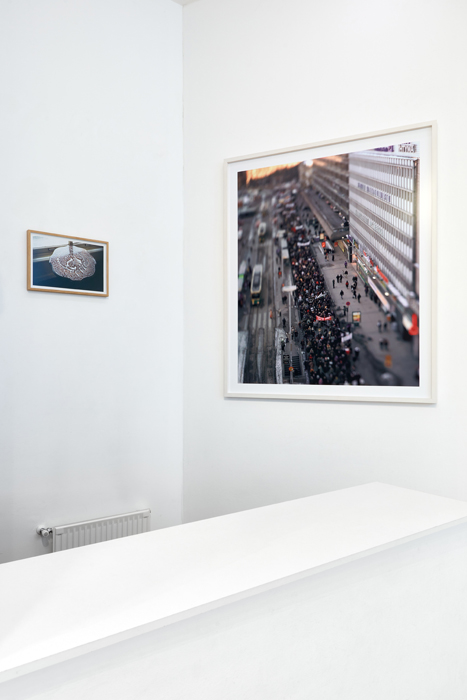
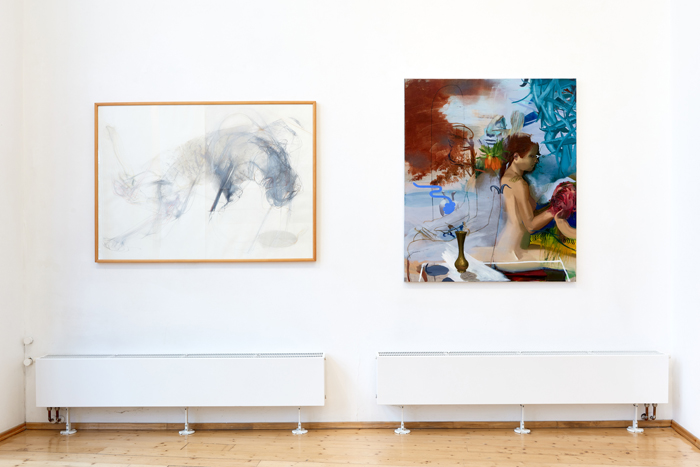
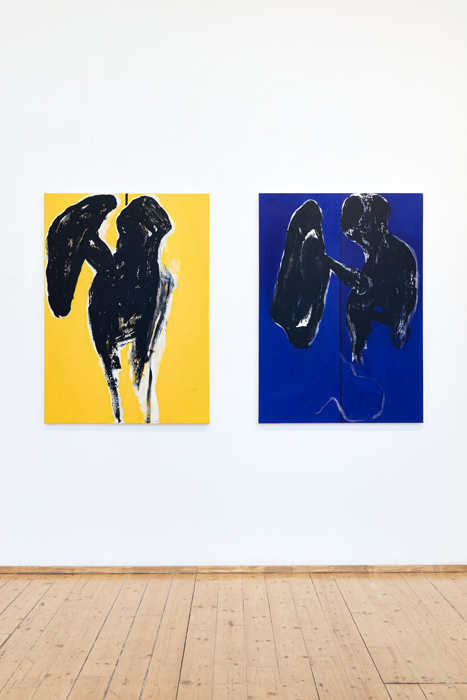
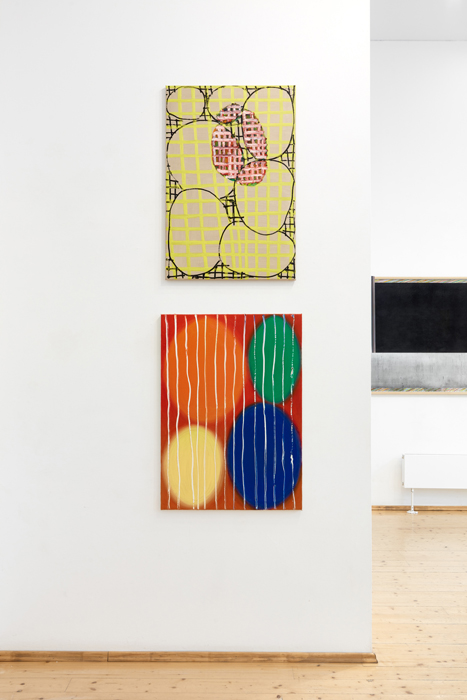
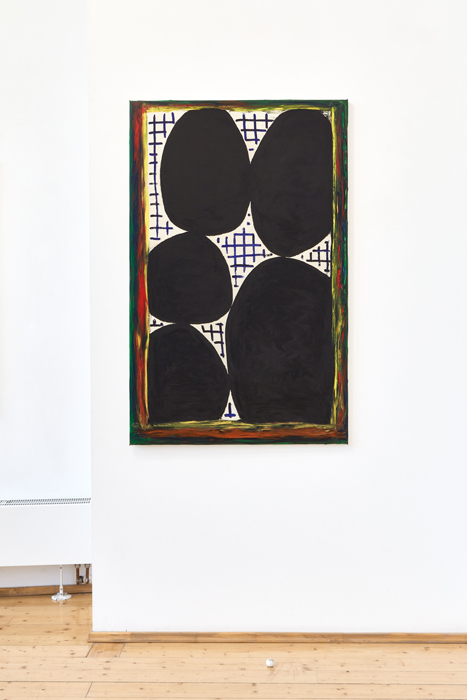
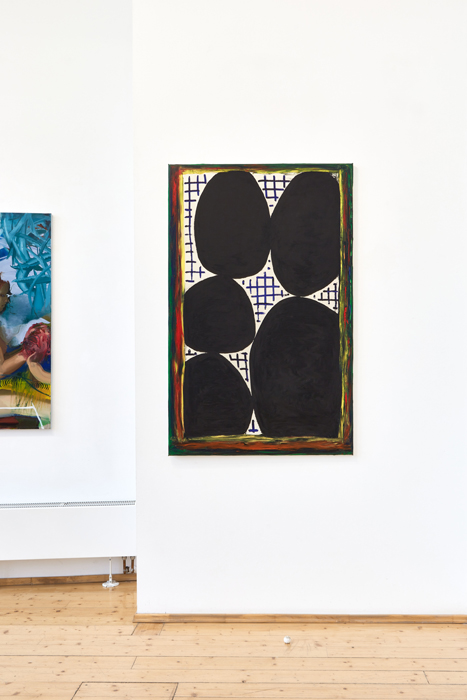
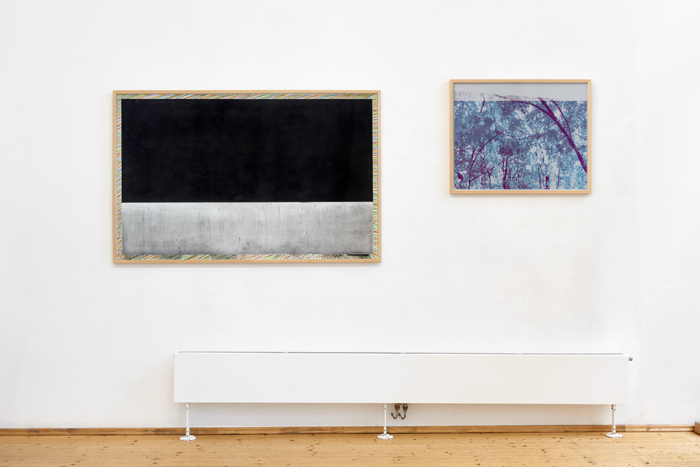
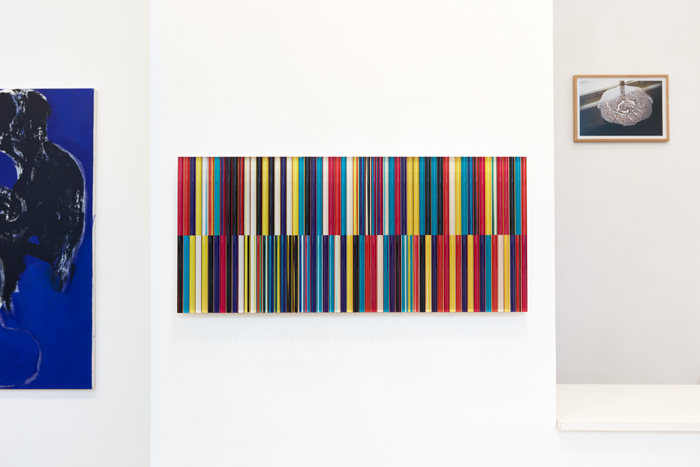
VILTIN Gallery?s group exhibition, Studies on Trust also shows works that were made earlier, yet they seem to reflect on the events occurring in the spring of 2022. In Miklos GAÁL?s Demonstration Day, which was photographed in 2003, the crowd demonstrates for peace on the snowy streets. The icon-like timeless image recalls the press images from different points of the world in made in February of 2022 on crowds demonstrating against the Russian-Ukraine war. Patrícia KALICZKA?s painting Inability to Trust reaches beyond the relationship between two people. Botond RÉSZEGH started his series The anatomy of Warin 2018. The topic is pictured through a variety of media, such as drawing or painting. His clean lines and icon-like figures depict anxiety as memento figures: the mental state that emerges as a result of our collective consciousness on war. Following in 2021 he created his two large scale paintings Angel I. and II. The approximate diptychon yellow-blue complementary contrast is a direct omen remembering the victims, who perished in Ukrain. Tibor iSKI KOCSIS drew his work Black Horizon, where the endless black horizon not only swallows shapes, but colours light as well. András KIRÁLY since 2017 examines colours, moreover direct colours in his consistent artistic practice, where the simple lines and forms create tensions, harmony, and disharmony. Eventually in the spring of 2021 the complementary colours mixed, greyed, the grid tangled and the direct colours lost their light: on his paintings black shapes gained more emphasis, the large collective shapes ate up the small, direct colour form and became a grey and dirty white mass. Péter KOVÁCS?s Beingdates to 1998, its oversized wormlike stretched and centralized body dynamically, threateningly hovers above the smaller elliptic level, which determines the perspective space. Zsuzsanna KÓRÓDI?S latest lenticular work?s social analogy can be described with one word: democracy. Breeze?s clear colours, reminiscing about the 90s are constantly in movement. The optical work is built on horizontal and vertical contrast, the colours? and shapes? vibrant and wavering oneness, inner harmony?s cohesion undeniable; a metaphoric Study on Trust.
ZSUZSANNA KÓRÓDI