


Ceci n'est pas une photo
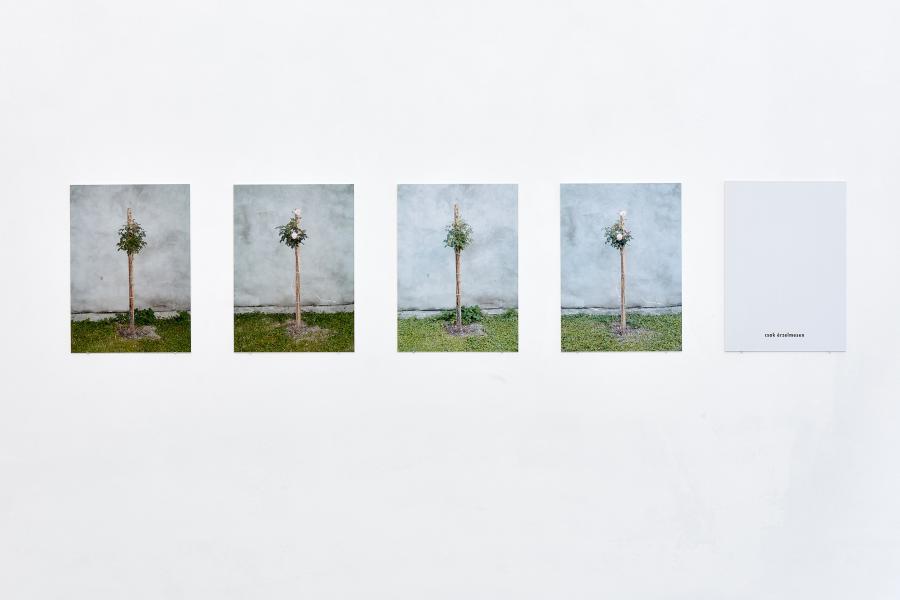
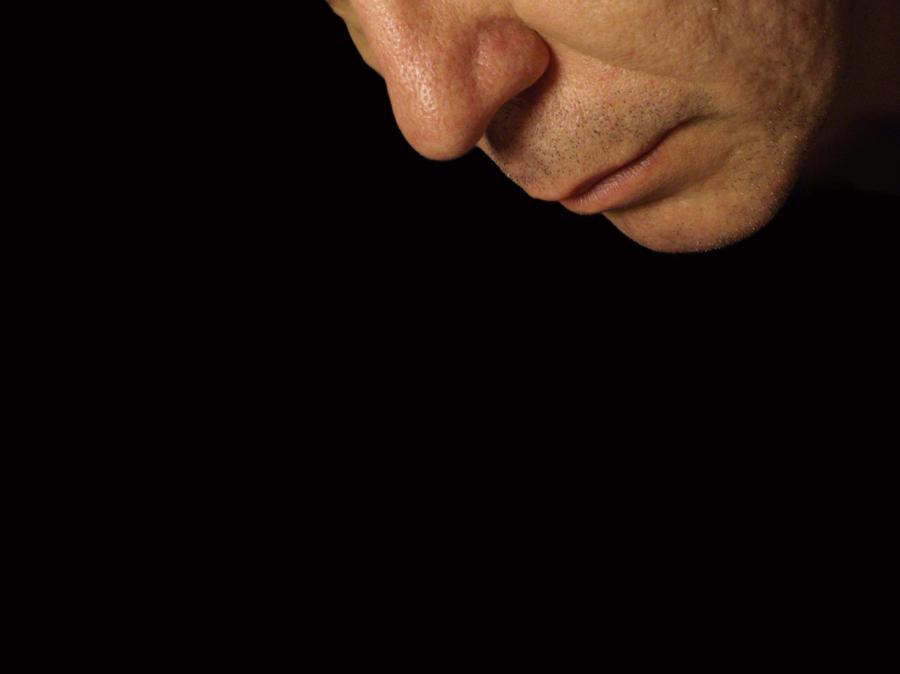
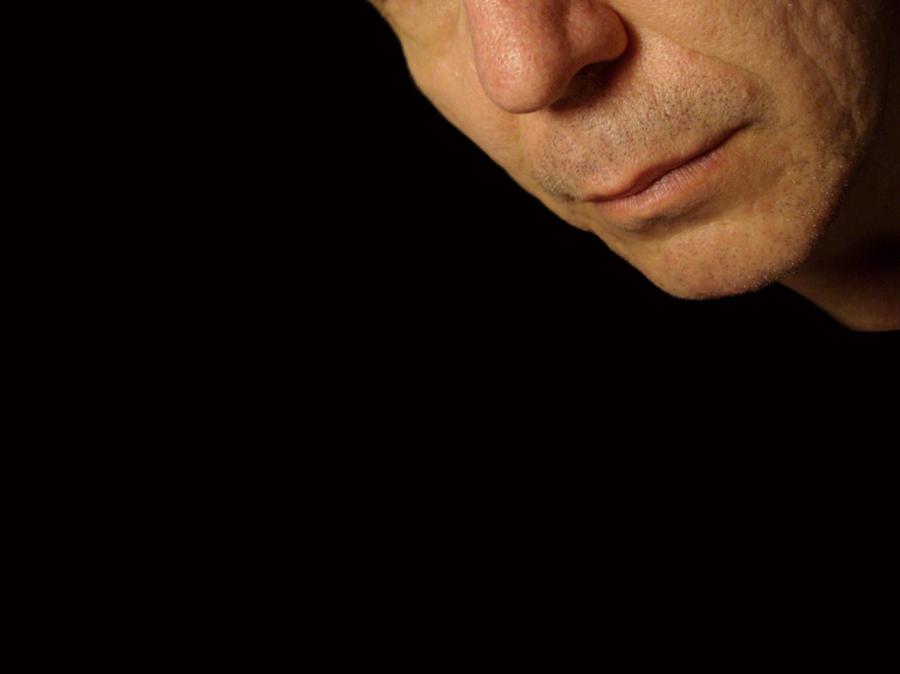
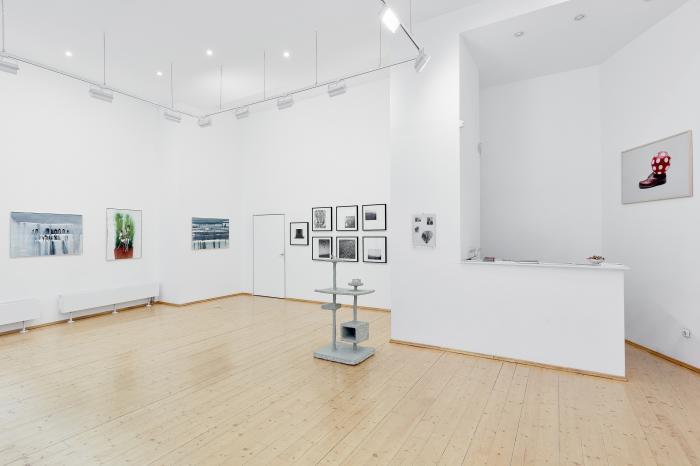
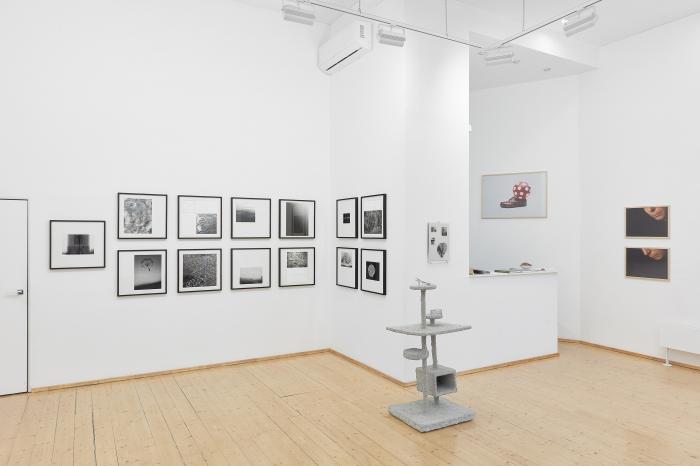
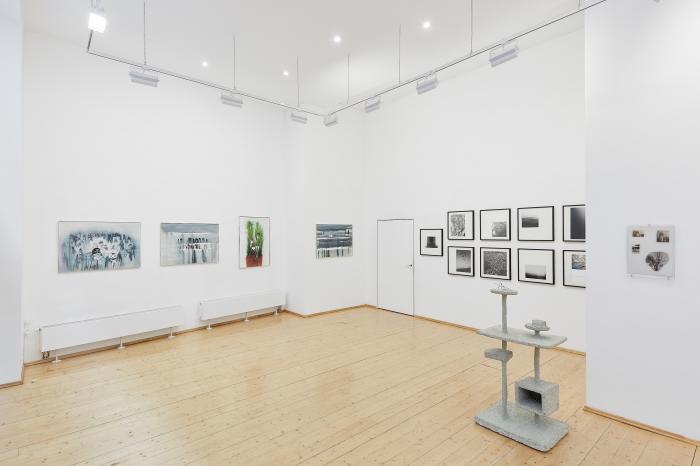
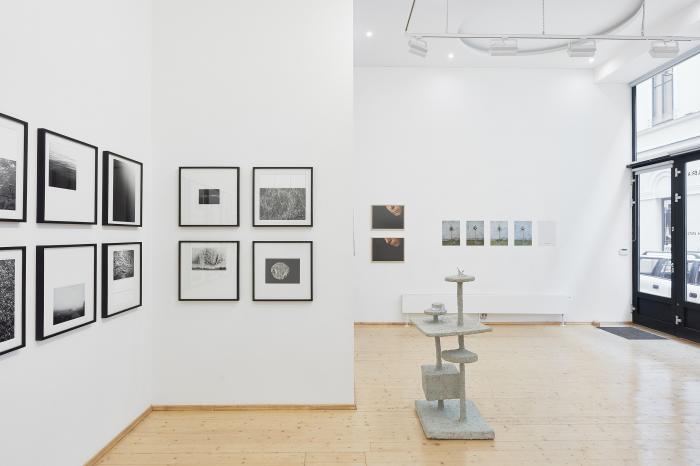
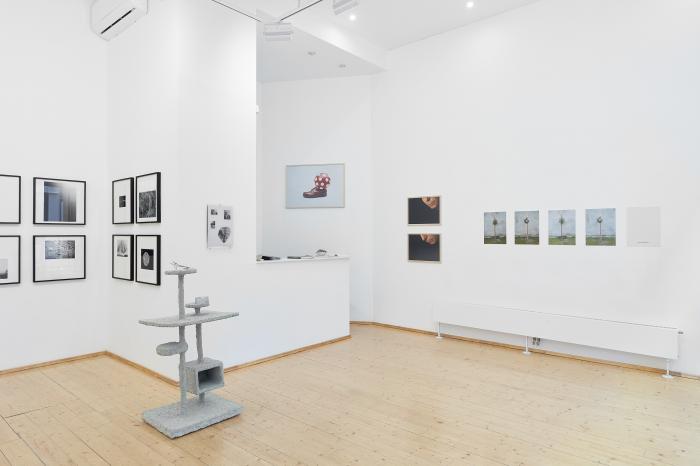
The history of art is accompanied by experiments with its medium and boundaries. VILTIN Gallery's Ceci n'est pas une photo exhibition offers a small overview of fine art photography: investigating its role with primary photo-based or consequentially applied images in the creative process, the medium's particularities and its forms of interpretation. In the last decades, the presence of photographic image has become fairly dominant in the cultural and everyday context, there's a growing number of photo or photo-based artworks in the contemporary art field as well, taking for instance the experimental photographs in the seventies, hyperrealistic paintings or the continuously popular collages.
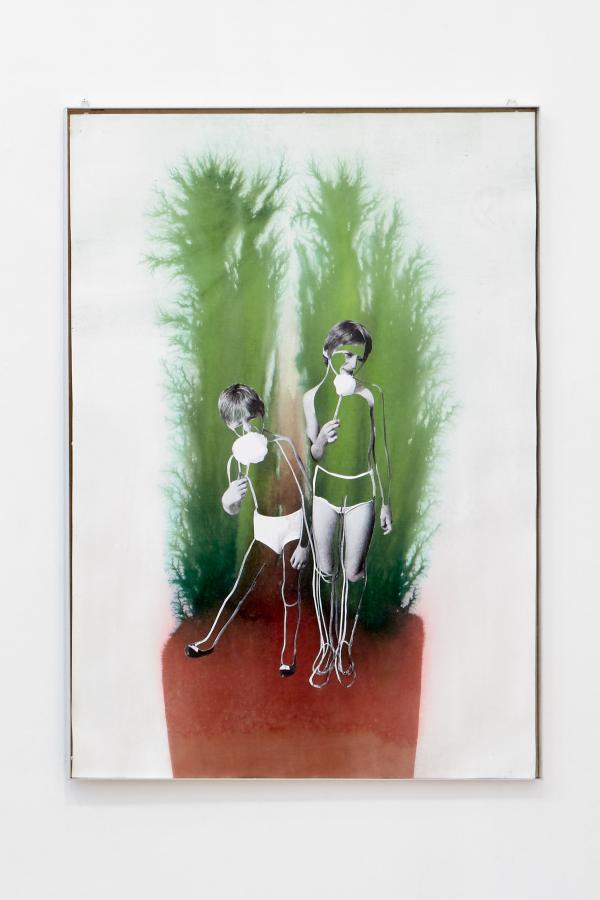
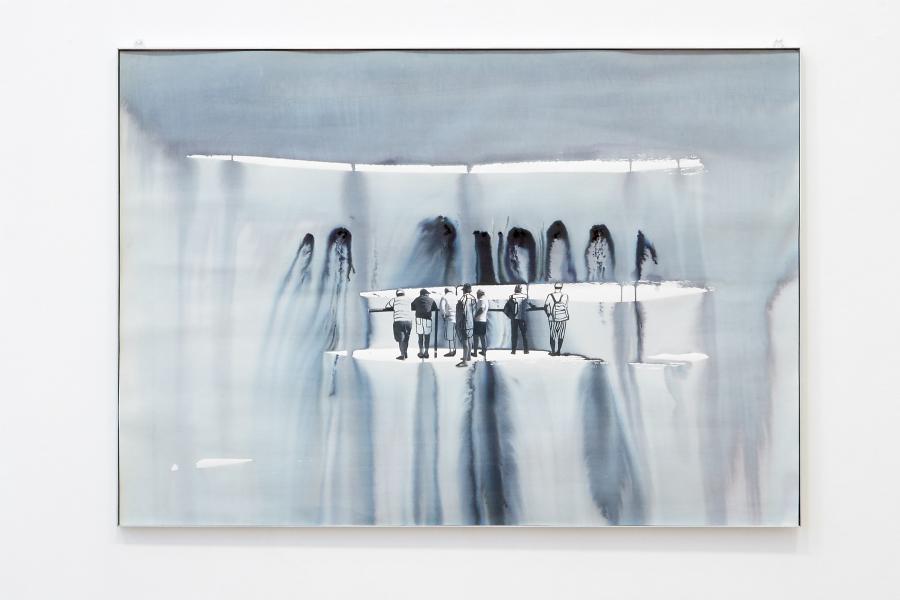
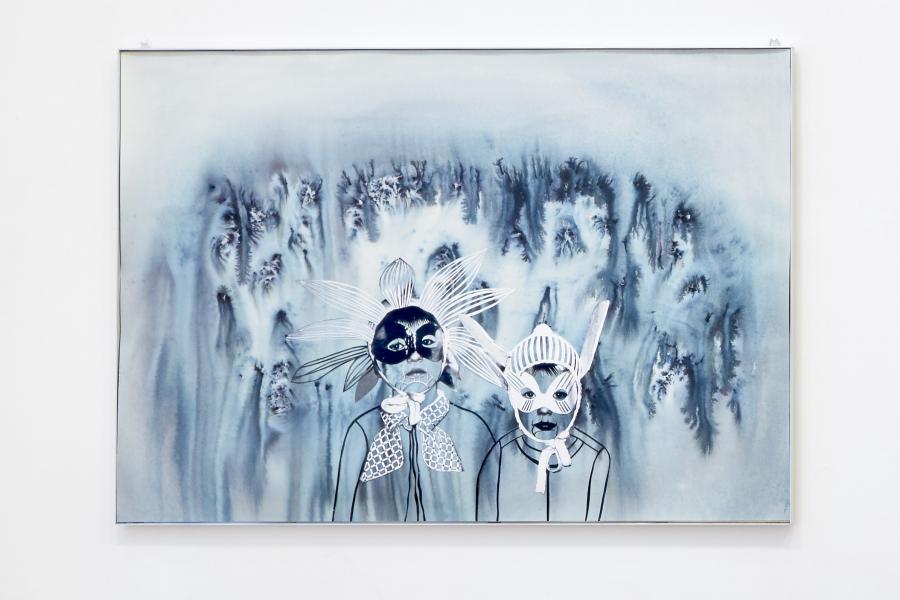
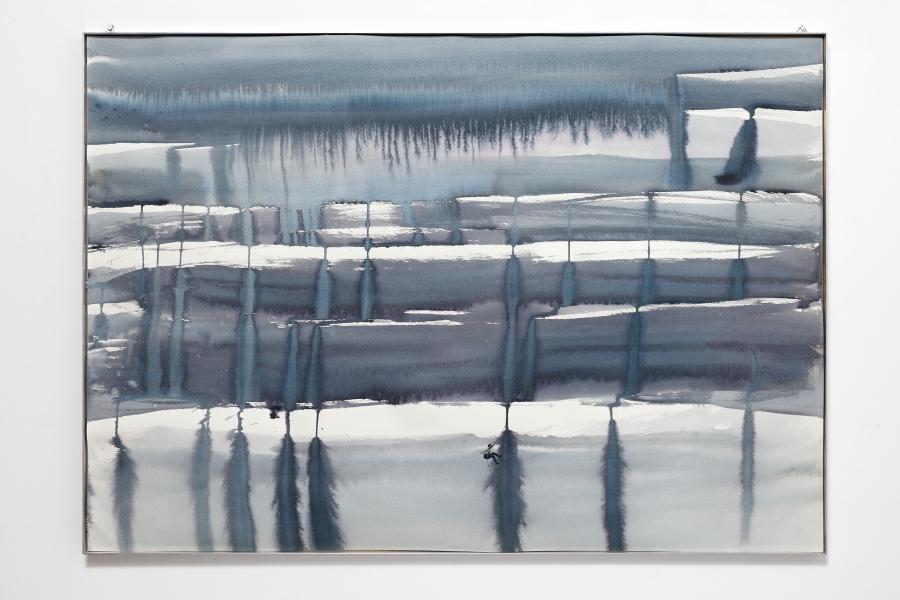
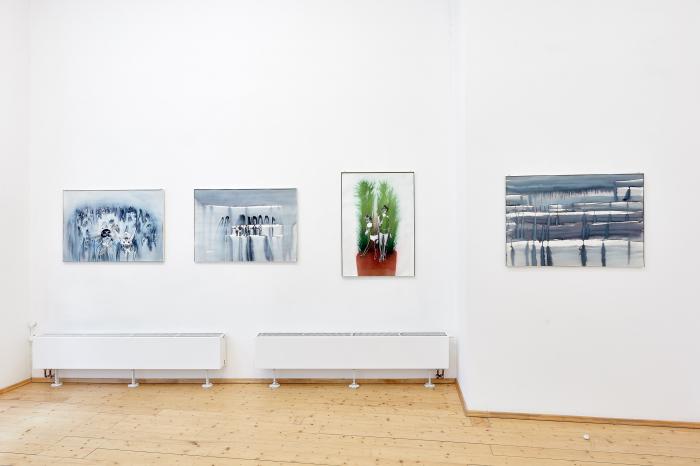
Besides her emblematic aquarelles, Mária CHILF's (1966) photodrawings first appeared in 2014, one time as a part of an installation, another time as an autonomous artwork, playing with inwrought visuality and moving away from the wall. Replacing her entities in her very personal, detailed aquarelles or supplementing them, photos appear as subtile layers, even turning into surrealistic compositions.
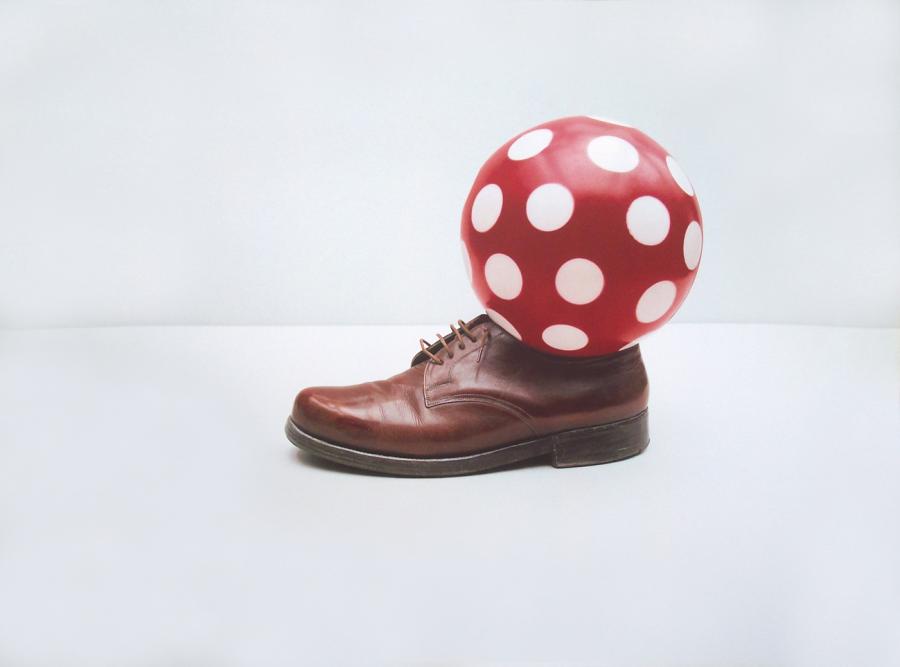
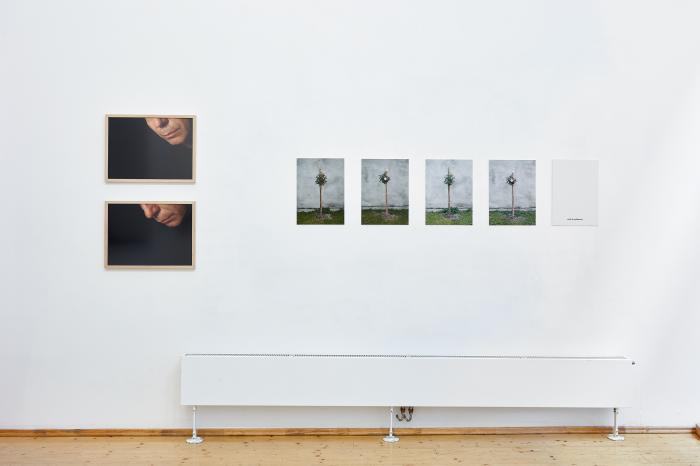
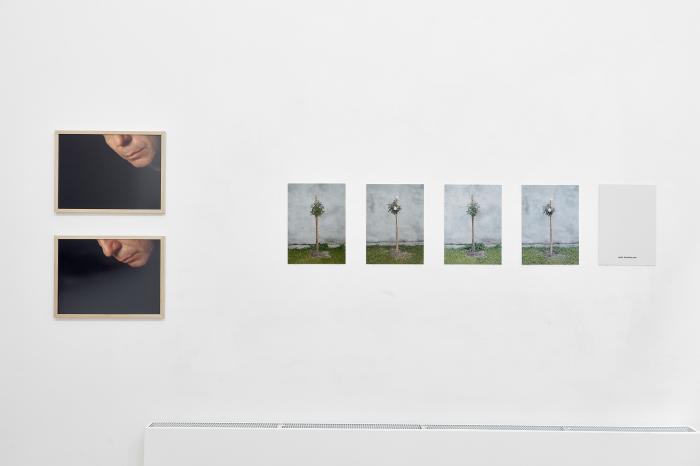
The compact compositional, few motif-photographs of Pál GERBER (1956) are parts of the Gerber-Gesamkunstwerk, just like his paintings and installations. Objects, known from his other artworks appear in random or theoretically planned and built constellations with emphatic additional text that helps moving away from the original context. His photographs could be considered as the proofs of an instance or action that reflect the heterogeneity of the artist's thinking, and at the same time testify the organizing role of narrative and irony in his works.
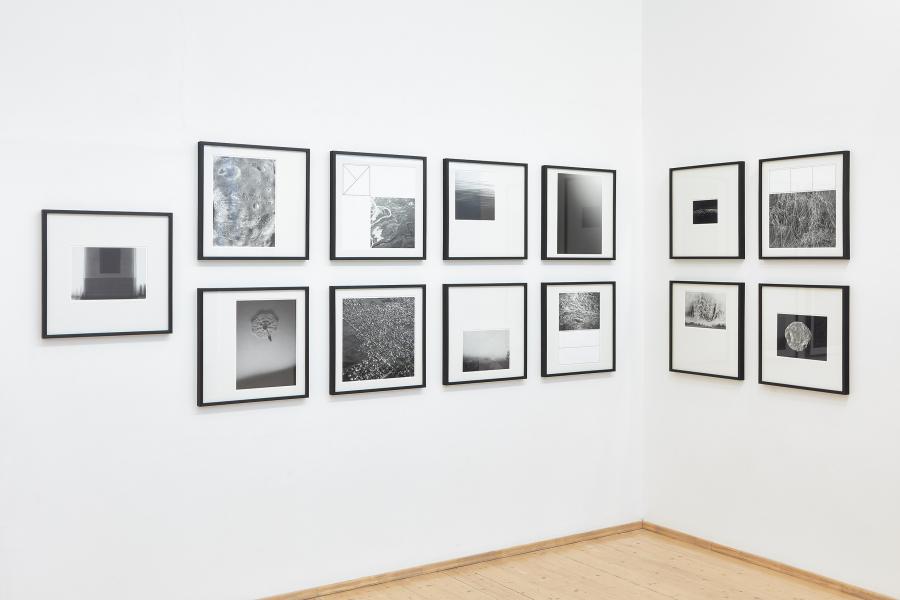
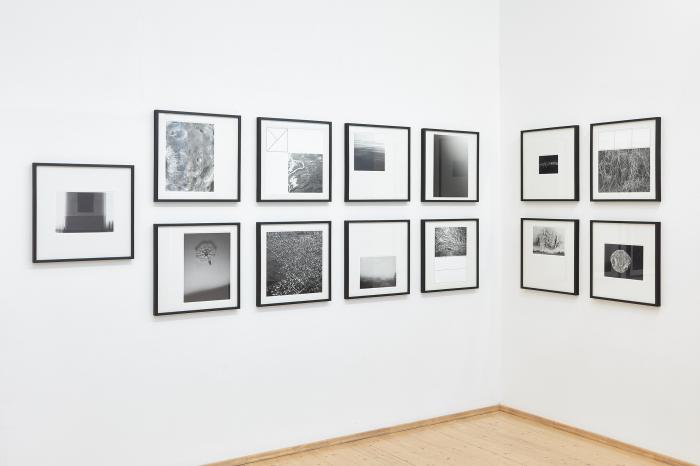
Tibor iSKI KOCSIS (1972) occupies with the synthesis of picturesqueness and the medium of photography. His own photo-archive is the direct and indirect inspiration of his artistic practice. In his series 'Cum dederit' he deals with the pictorial quality of photographs, with the apparent potentials of tones, nuances and unique materialities. His aim is presenting the complexity of the environment with varying his dinamic compositions assigned to scale and perspective- alterations and drawing a comprehensive portrait of humans without any representation of humans.
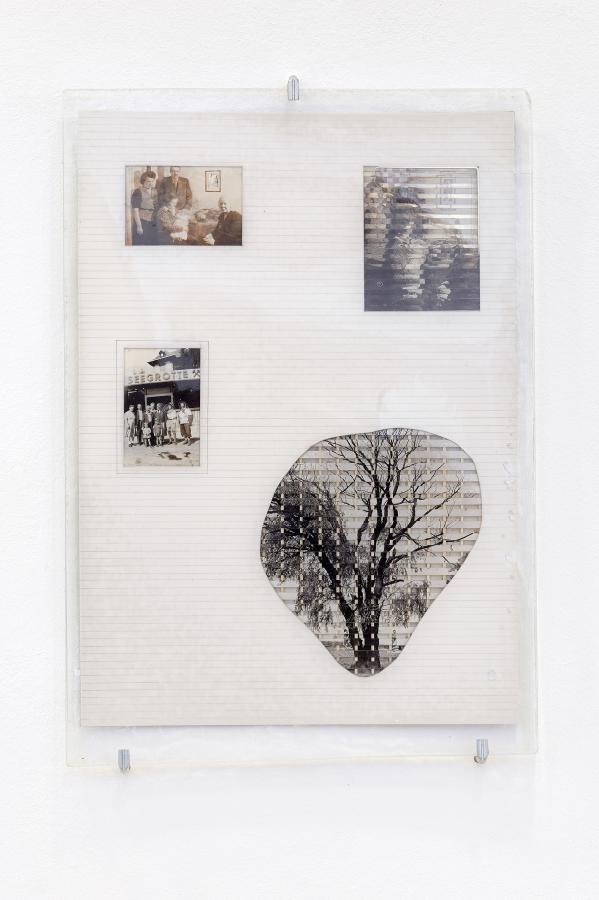
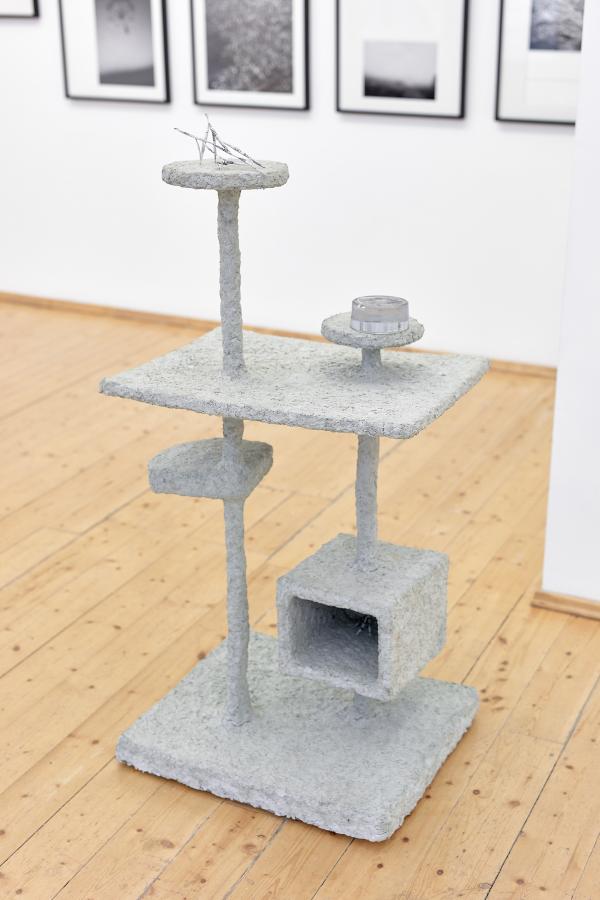
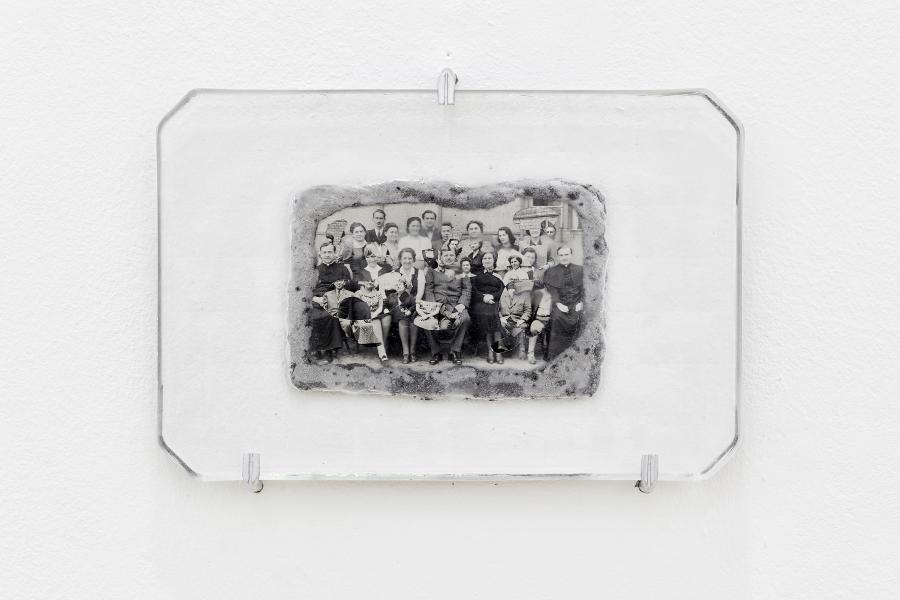
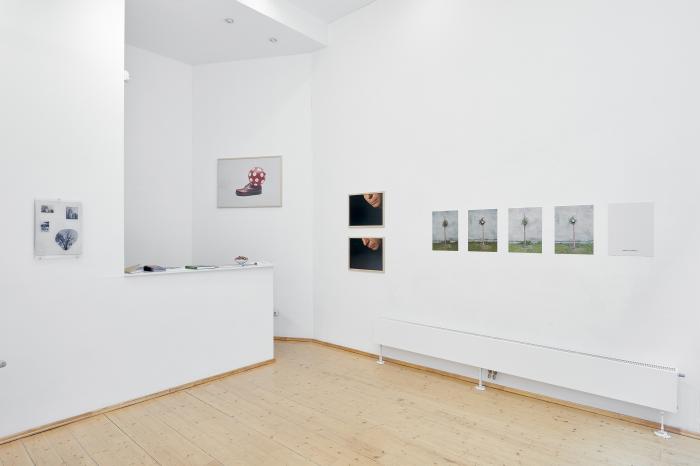
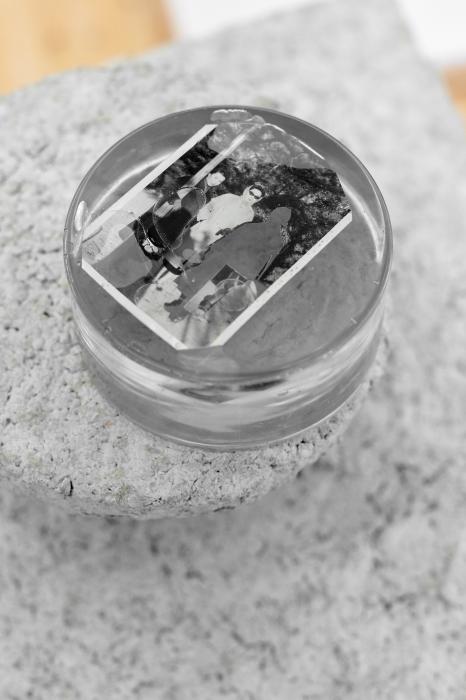
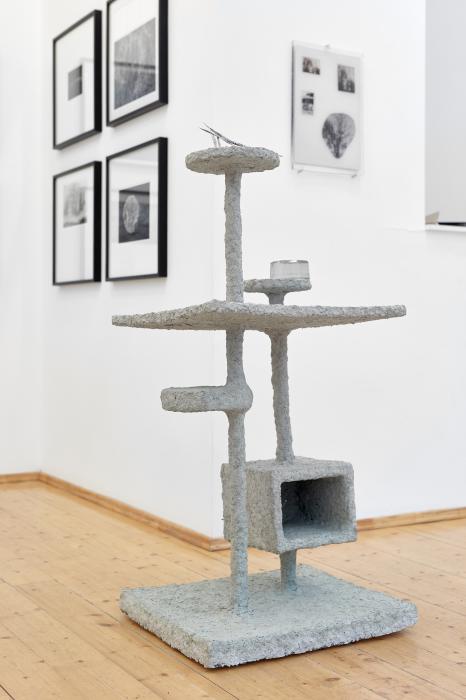
In the works of Kata TRANKER (1989), the medium of photography has always played an important role, however she always uses found /appropriated photos. She collects them, then cuts and resets them into installations and new context. The associational field of her works are linked to visualisation of personal and social laws, pushing their interpretational limits with new narratives.
The exhibition is part of Budapest Photo Festival 2019.
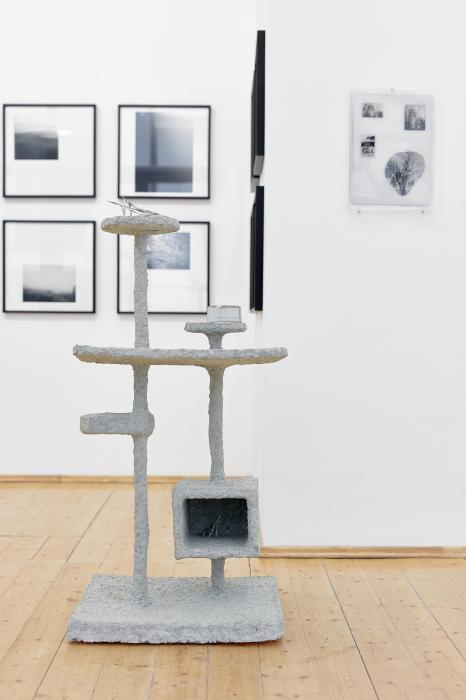
Kata TRANKER