Touching distances -Mária CHILF
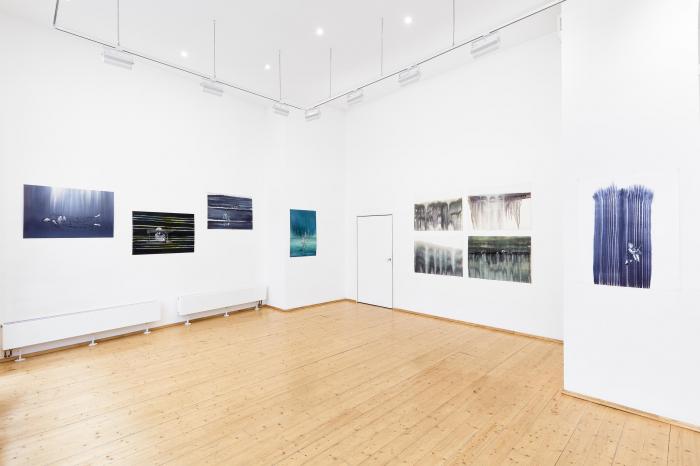
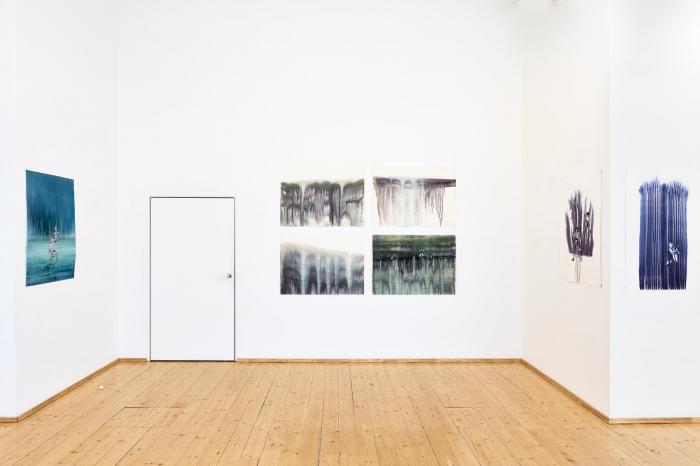
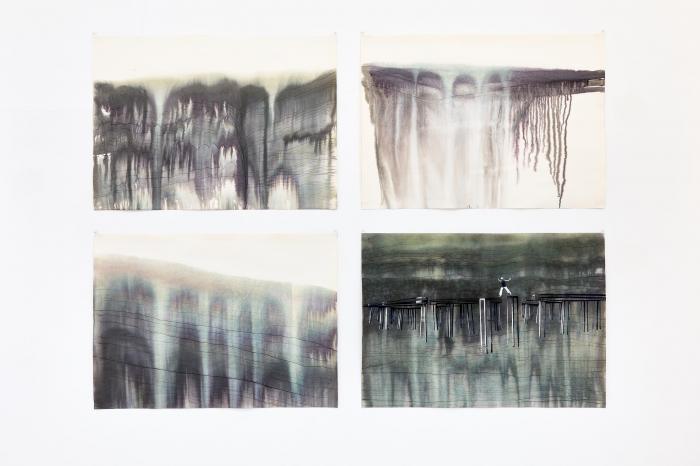
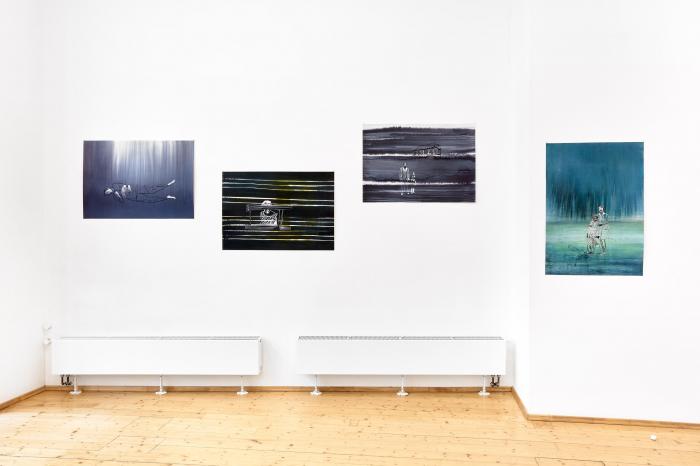
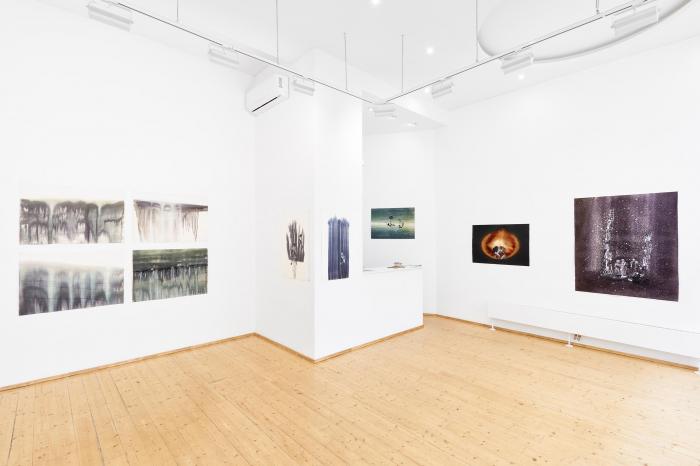
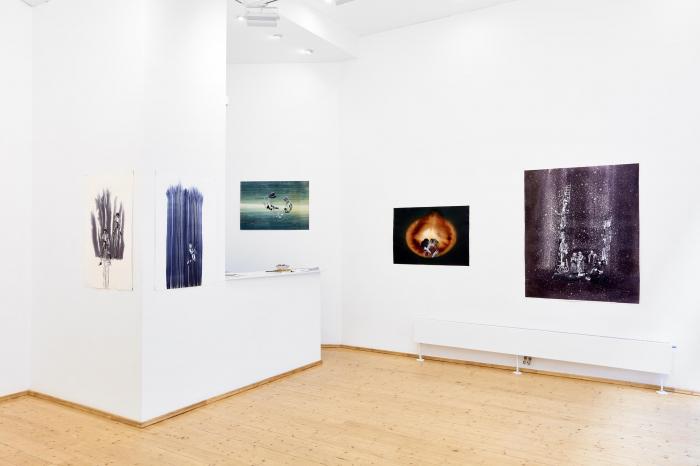
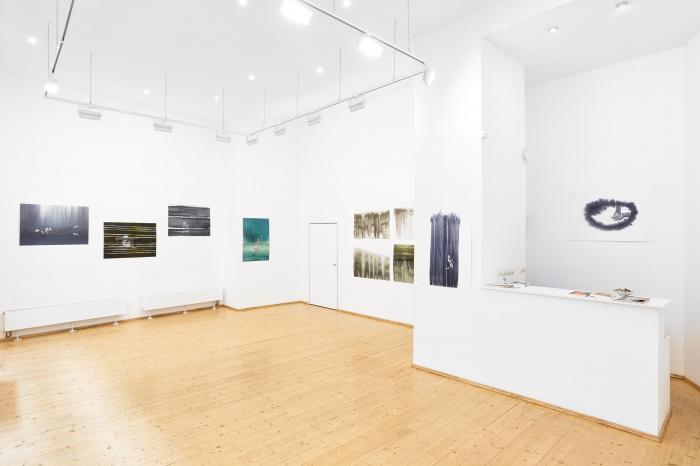
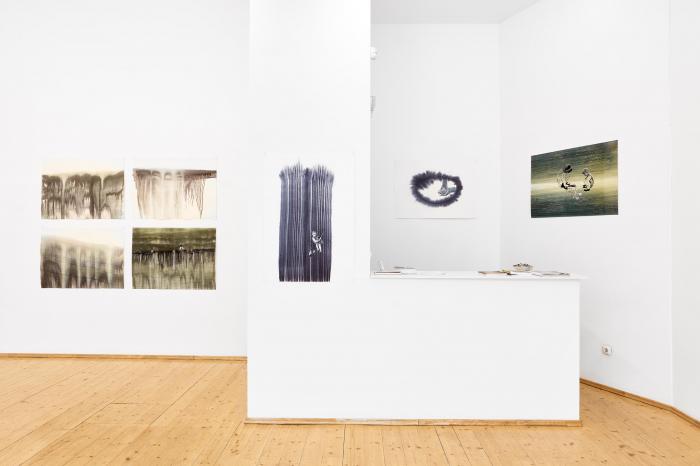
VILTIN Gallery presents the third solo show of the outstanding mid-generation artist, Mária CHILF, featuring her latest works.
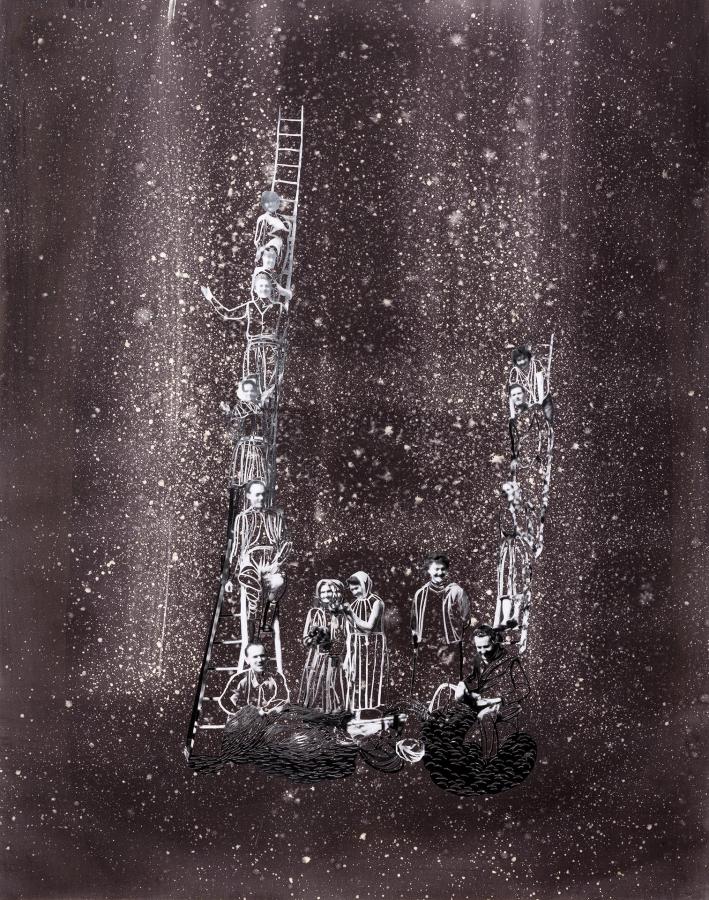
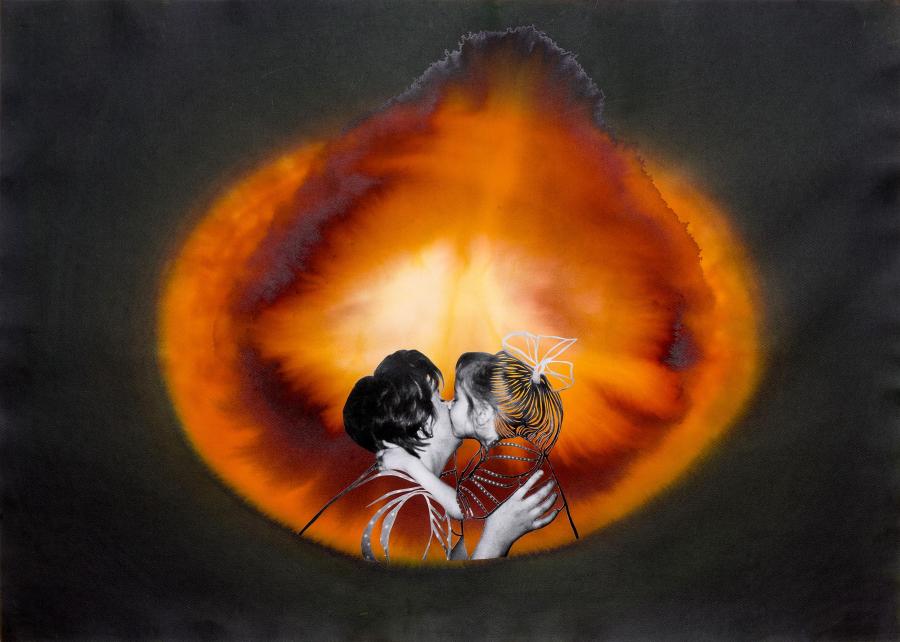
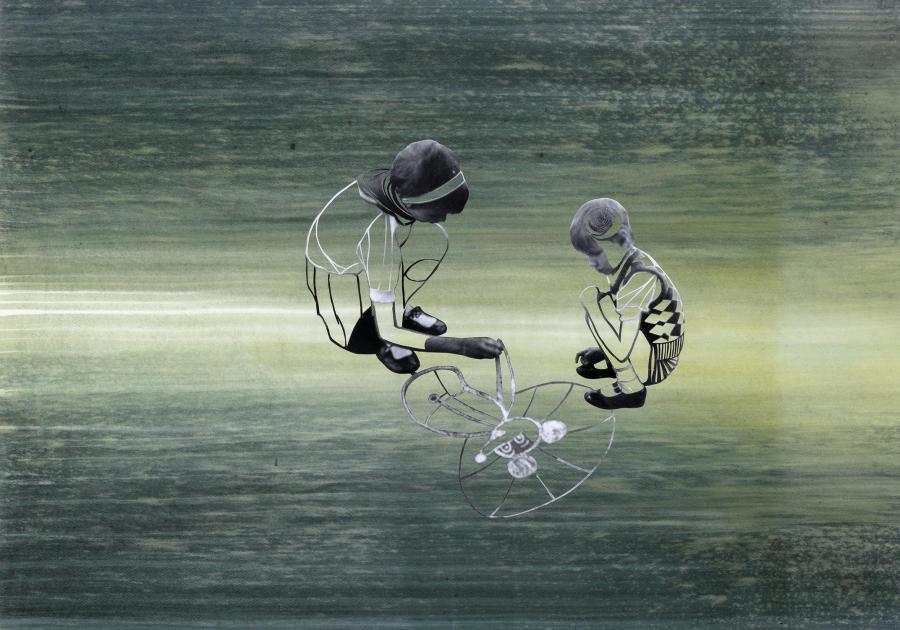
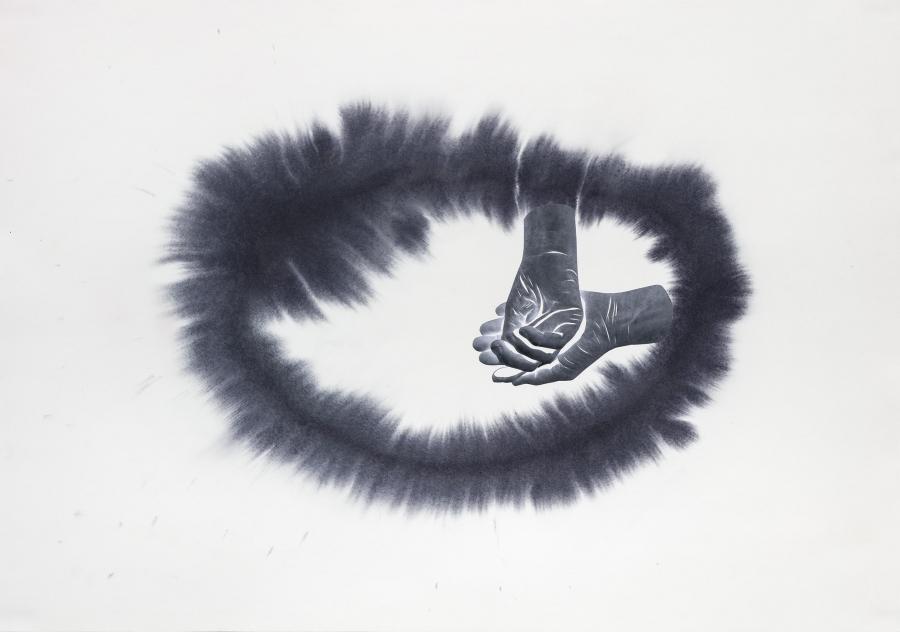
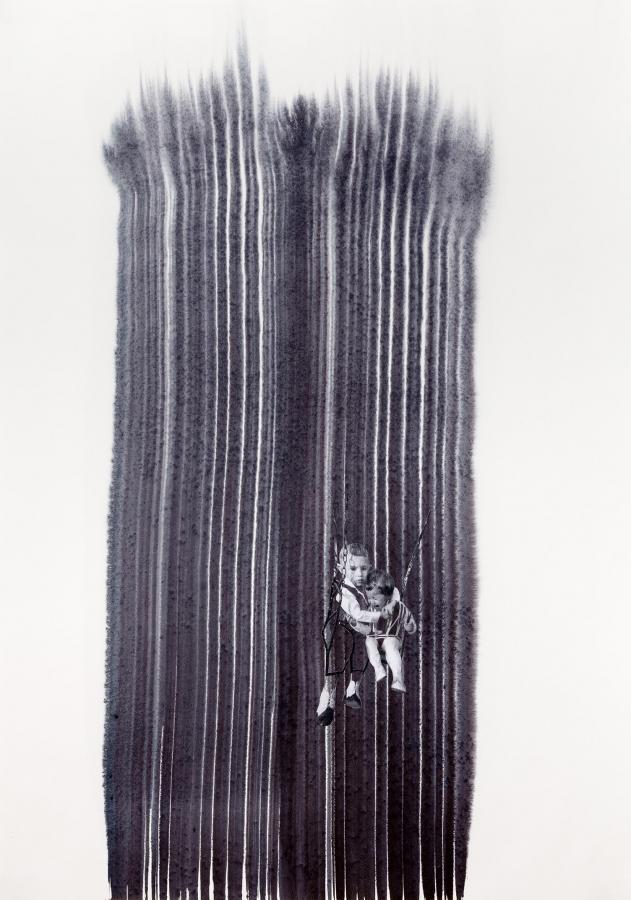
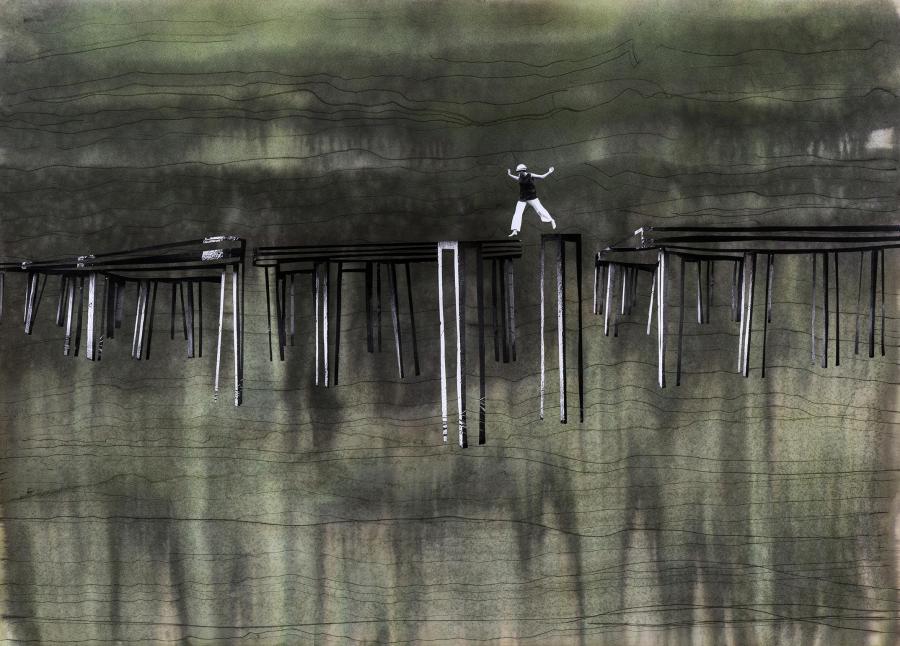
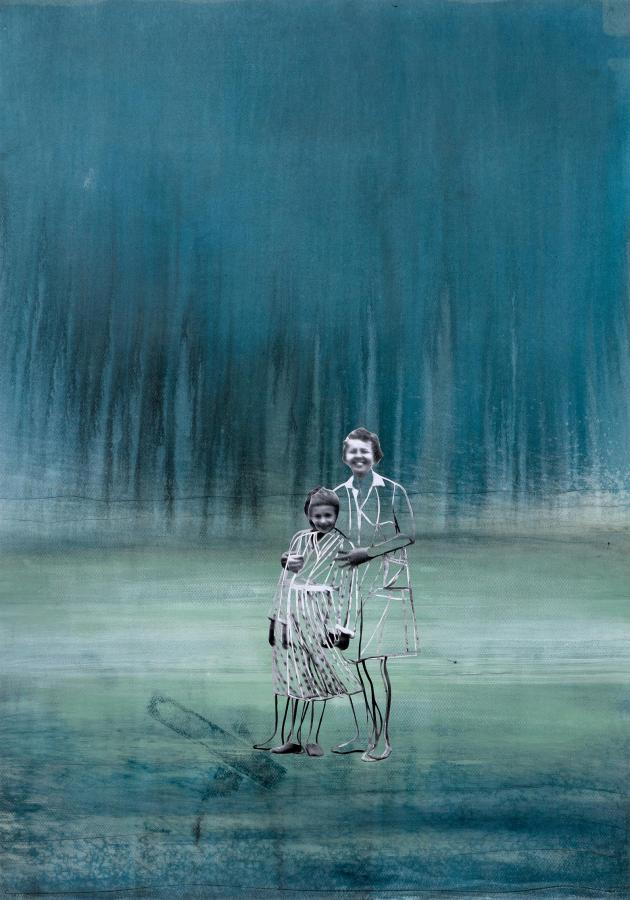
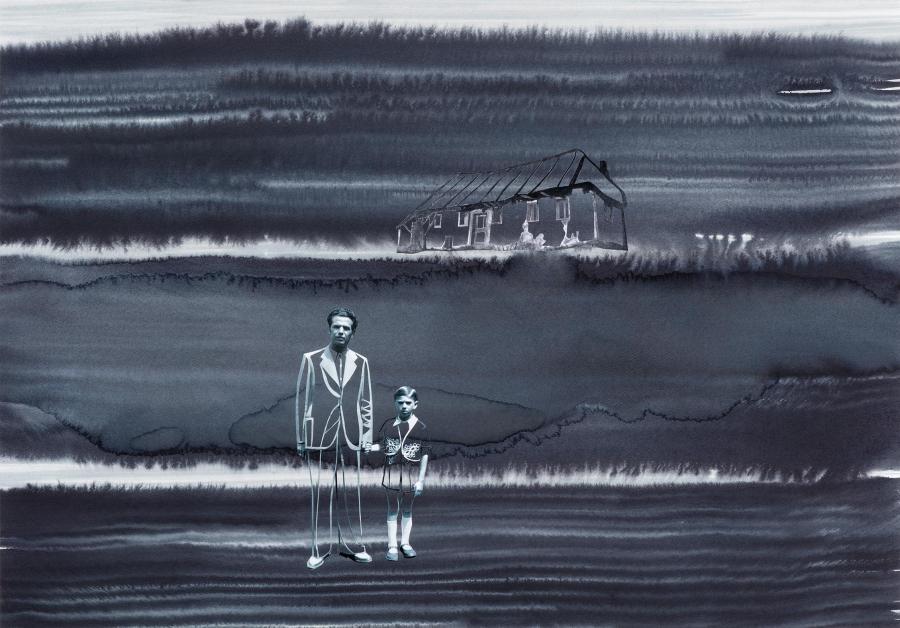
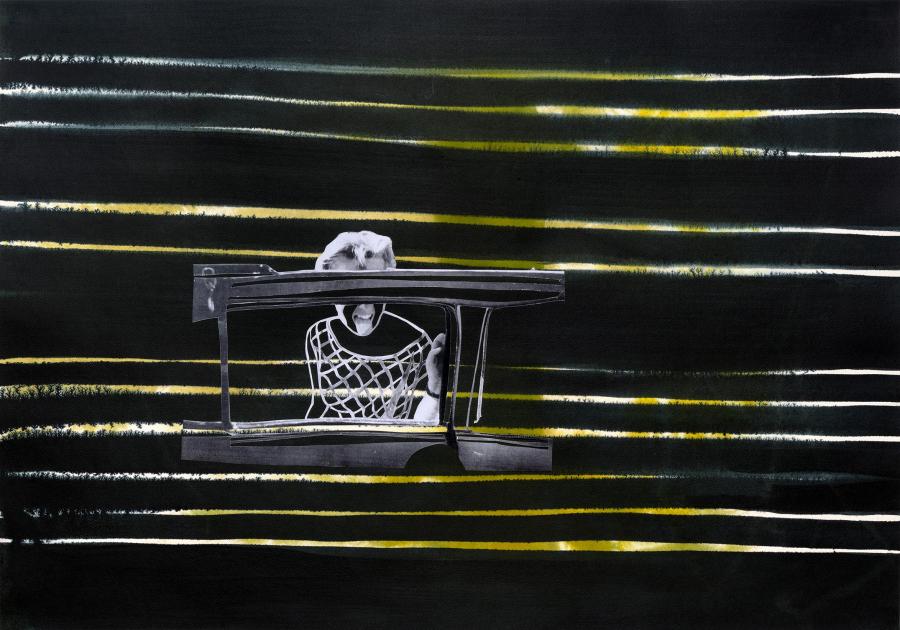
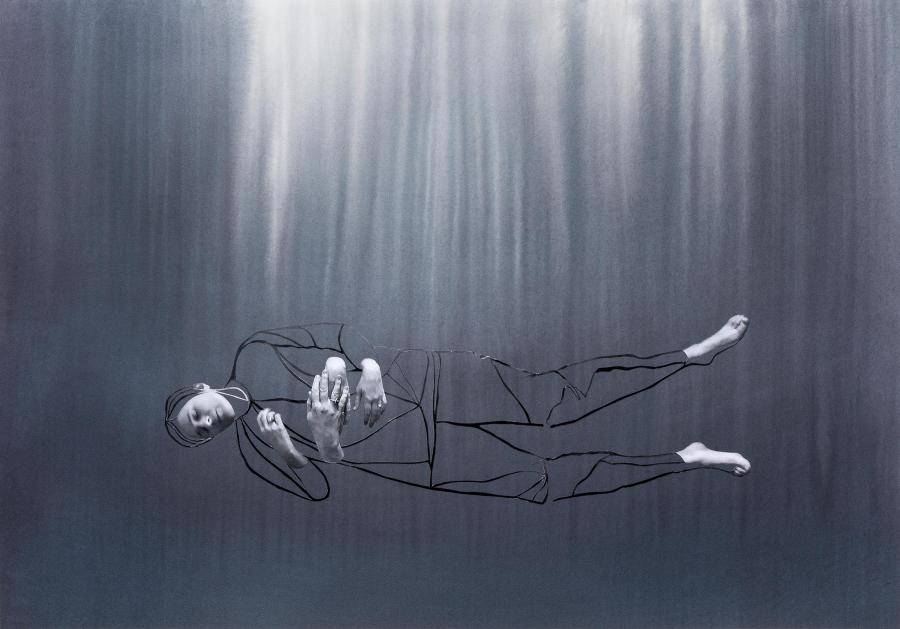
Her 'photodrawings' first appeared at her project exhibition Transitory objects in 2014, when she was
dealing with her family history and archive. While editing the albums, the
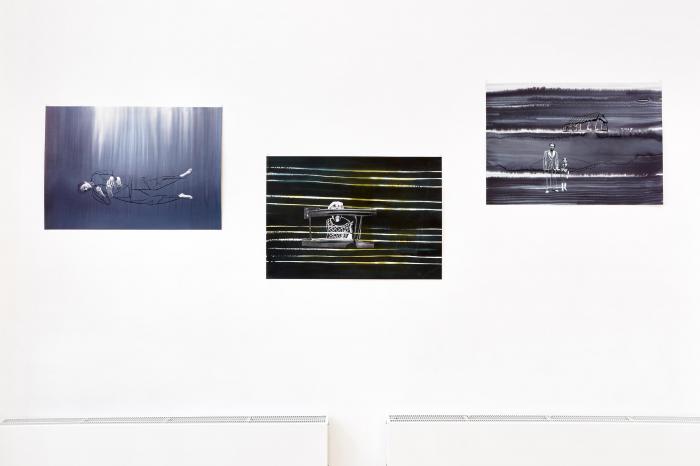
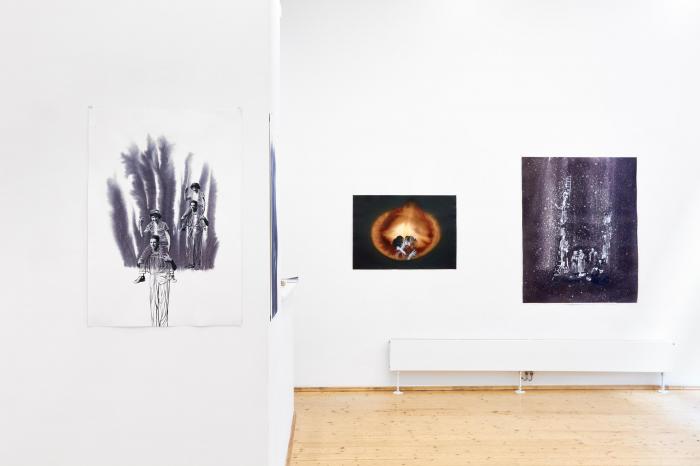
photographs became part of the artistic process; by cutting and pinking, they
reached their final forms. They had served as documents of memory, then after
the artistic intervention as re-thought memories, eventually attaining their ultimate
form by accompanying them with watercolours. Photography as a medium - just
like the recalled memories .- is associated with a certain moment, event, meanwhile
they are constantly changing, as we recall them. The piled up memory-layers overwrite
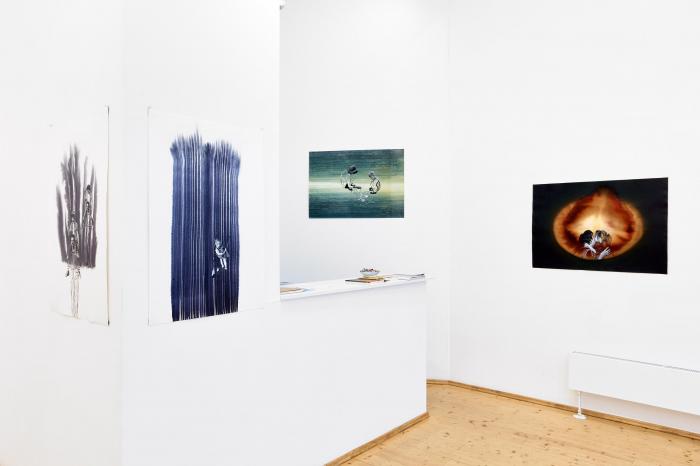
the original images, feelings and reality. Reflecting this course, Mária CHILF places
photos onto watercolour, thus they broaden each other's space for
interpretation and somewhat altered, they become the fragment of a new memory
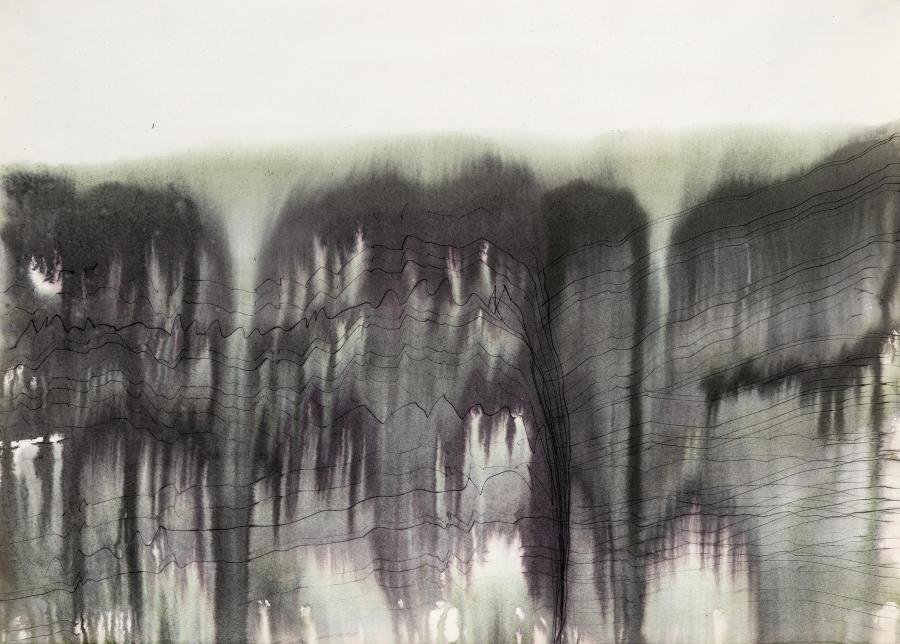
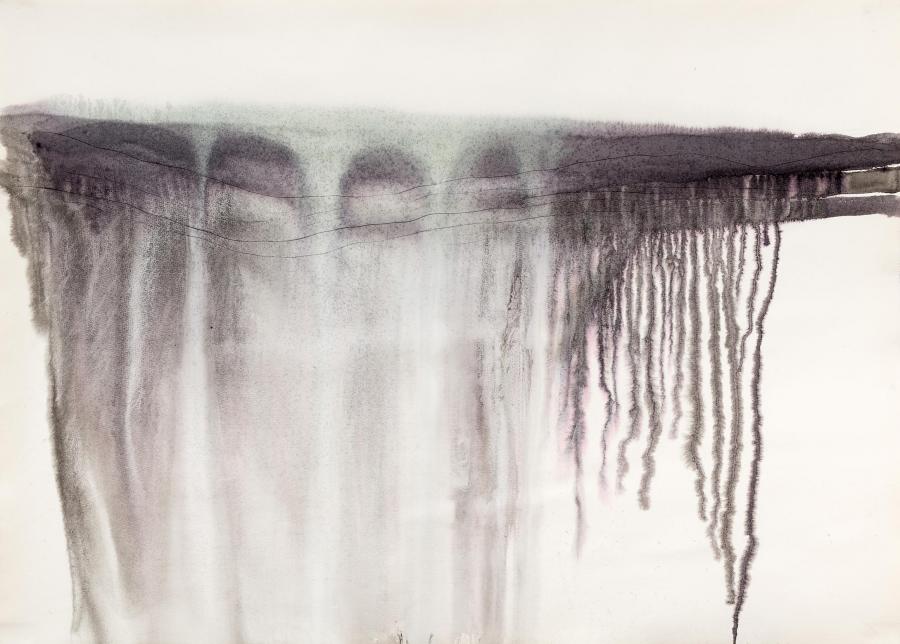
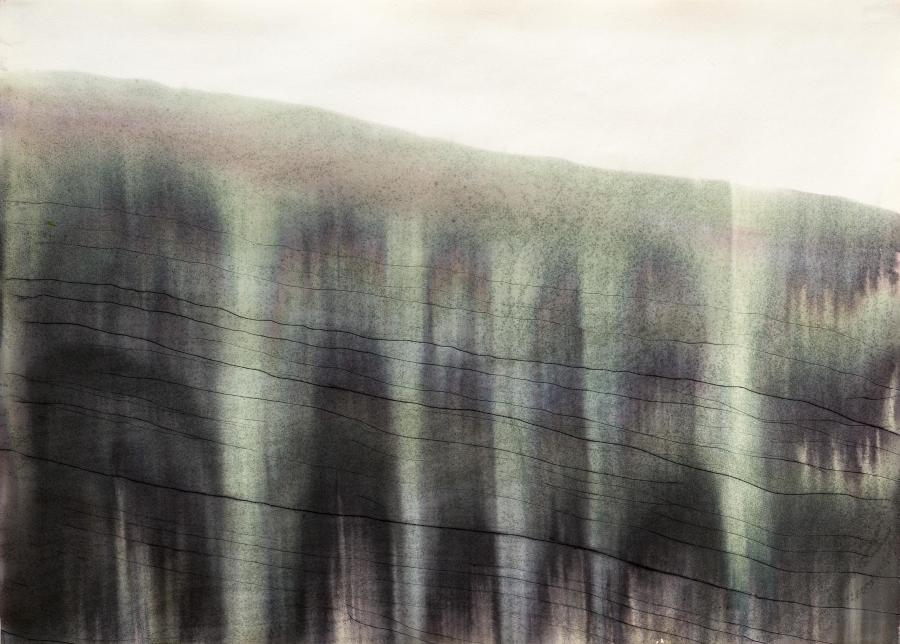
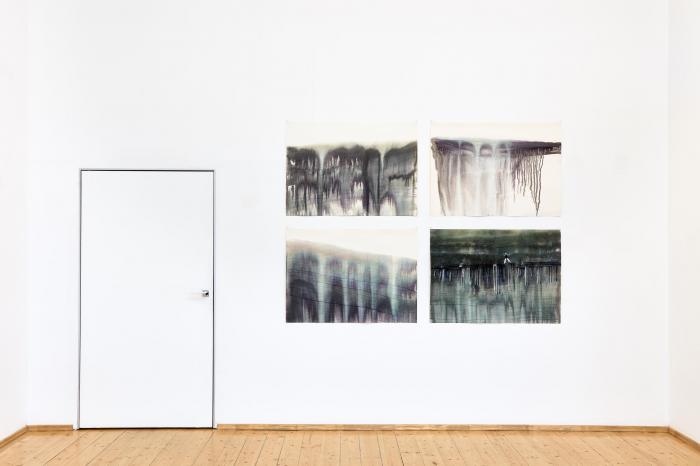
or story. The abstract pigmented backgrounds serve as an endless surface or
floating medium for the memories, they extract from reality and at the same
time make the complex compositions timeless. In her latest works, she reached
beyond the intimate family images, while using her known work-method, she
provides a wider and a universal conditioning and reconditioning to the
discussions of existence, which becomes a lyrical and collective experiment of a
personal and collective processing of the past.
'Tracing found family photos, as engrams - this process interests me in my current series. Slitting a stretched out momentum with clippers, making the photo transparent, opening it up to new layers, so the photograph?s motionless moments are exposed to me as a breakable surface. The past moments enclosed in the photos transform by a bruising-cutting technique, into opened, floating traces and patterns. This is a violent procedure with the humbleness of a lace-maker: a slow, searching unfold of forces in the fields of vision. I follow the lines, I form the lines and I find the cords of the photographs' distances. Thus they become my personalized documents.'
Frederic Bartlett - the significant figure of experimental psychology - drew the conclusion that memory is of constructive and reconstructive nature, therefore during remembering, events do not simply repeat but are reconstructed. The courses of remembrance - coding, storing and developing - create the illusion that our memories are accurately imaging the objective reality. However, in the course of recalling our memories, other thoughts and feelings are linked to it, as well as external information from others. This is how memory and its interpretation are joint together - namely not just the original situation's inner condition appears while remembering, but also the associated thoughts and feelings. Later another layer is added: the interpretation of the present and past's relation. Through the layered, associative construction, the physical dimension of time also becomes visible. The pairing of images and the superposed narrative overwrite and implement the original memory, expanding their original field of understanding with the newly added layers, consequently they become a part of a subjective story, compressed into one composition. The works of Mária CHILF come to a new life with the demand of past processing, linking the objective medium of photography with the subjective nature and quality of watercolours.
Mária CHILF (1966, Marosvásárhely, Romania) She graduated from
the Painting and Intermedia Department of the Hungarian University of Fine Arts
in 1995, and later from the DLA Department in 2007. She's been teaching at the
same institution since 2007. She received the Mihály Munkácsy Prize in 2005. She
participated at numerous group and solo shows in Hungary and abroad, she is a
member of the Studio of Young Artists' Association (FKSE). Among others, she received
the Ludwig Foundation scholarshiop (1995), the DAAD scholarship (1997-98), the scholarship
of Hungarian Academy in Rome (1998) and the Eötvös scholarship (1995, 2001). Her works are included in
several private and public collections. The artist lives and
works in Budapest.