Transitory objects | Mária CHILF
'It has been two years since my father started telling the story of our family. He undertook the Jewish ancestors and showed the documents at his 77. There's a great past that I had no knowing of, and, if there is this past, then what was the great silence for.' (Mária CHILF)
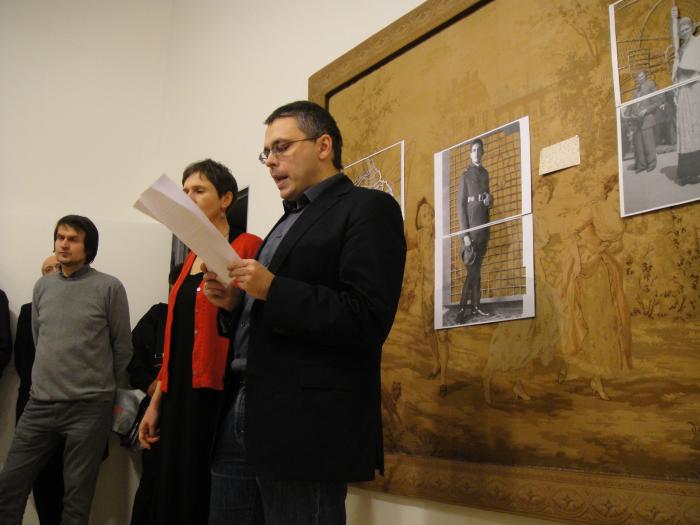
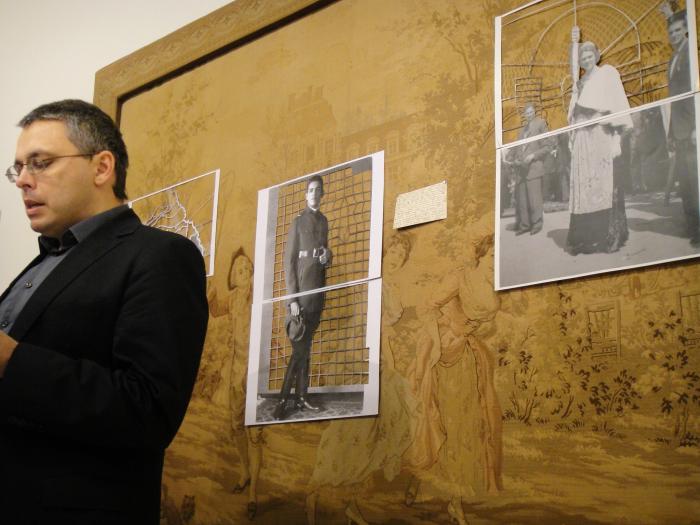
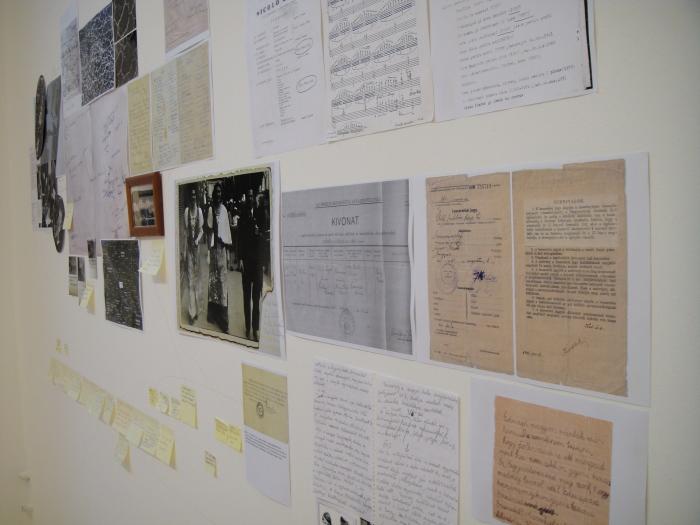
Mária CHILF unfolds a personal story with her usual, unmerciful bluntness. She quested like a detective for the recently unknown but significant episodes of her past laced with unexpected twists, secret piles, vanishing and reappearing. Jung's synchronicity was her support in the process of unfolding the events. During her research, more and more piles got into the texture of the inherited tapestry, thus the narration turned into a string of interaction where the part belongs to the whole like the whole belongs to the part.
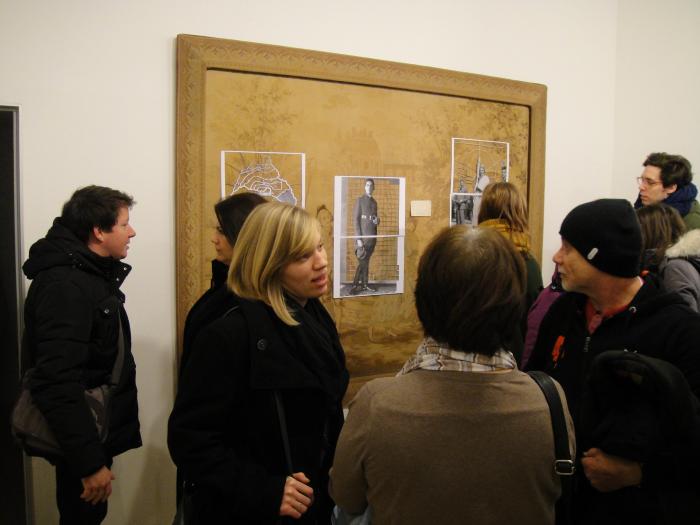
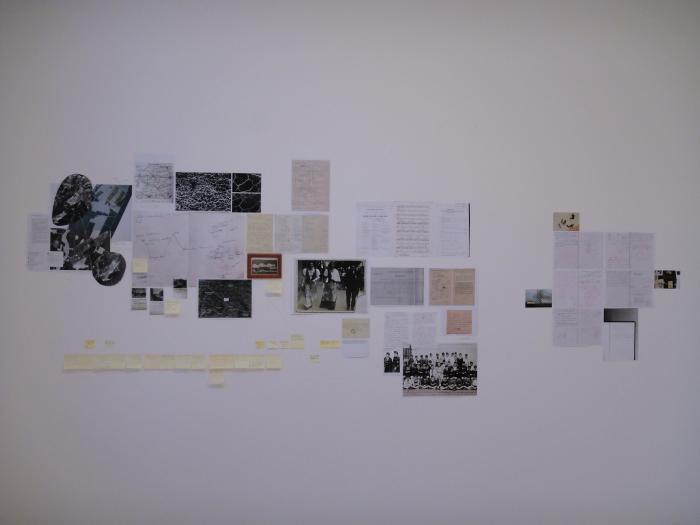
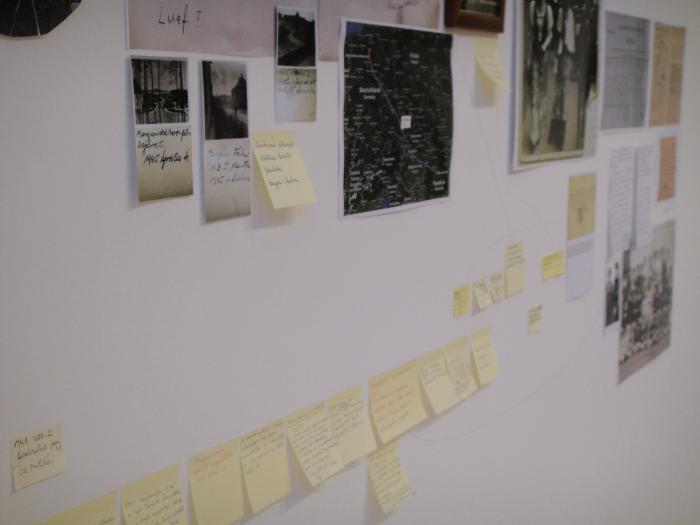
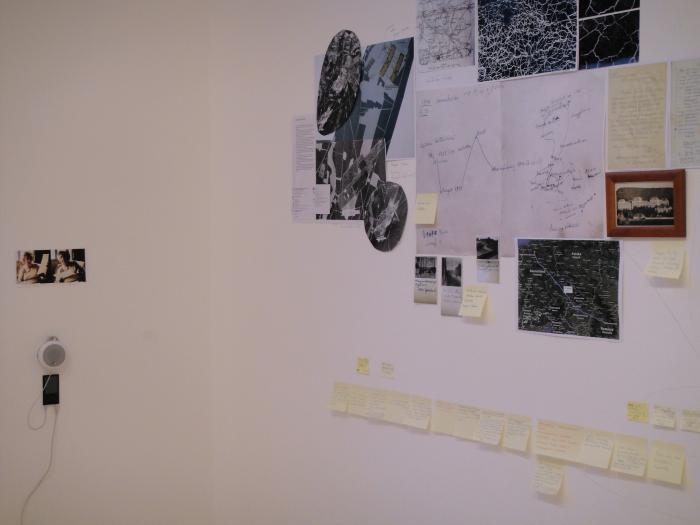
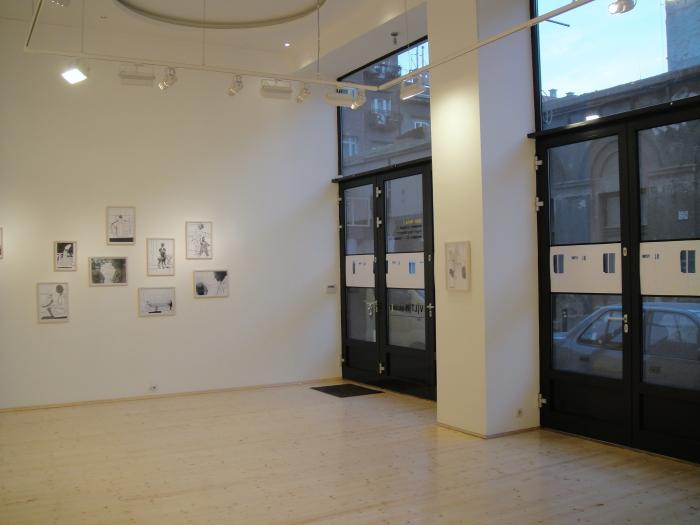
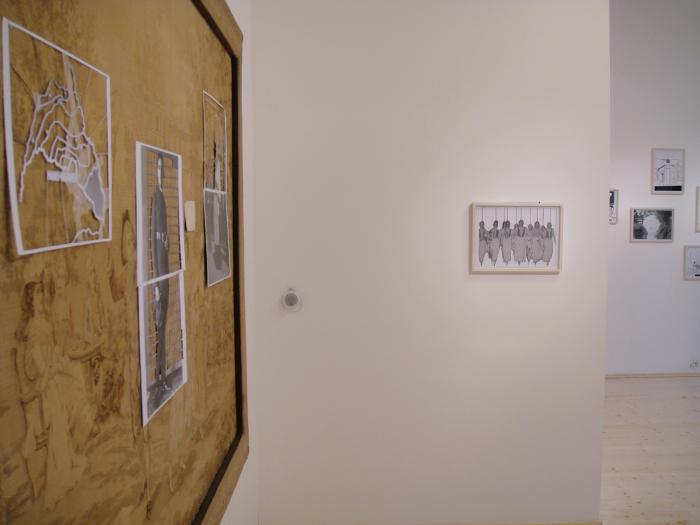
The present exhibition introduces the documentation of this time and space travel in the form of a comprehensive installation.
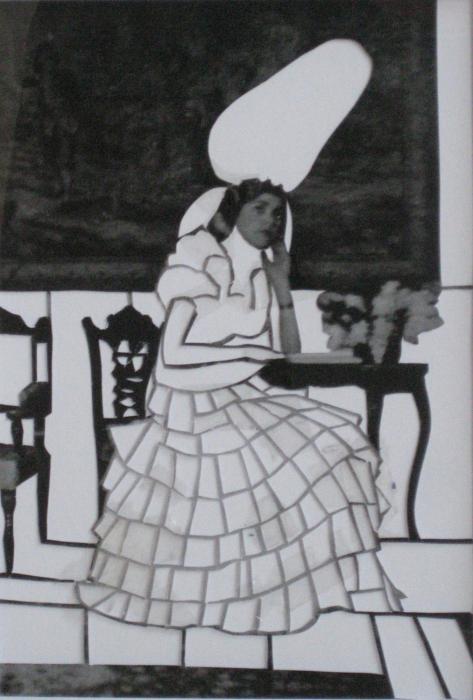
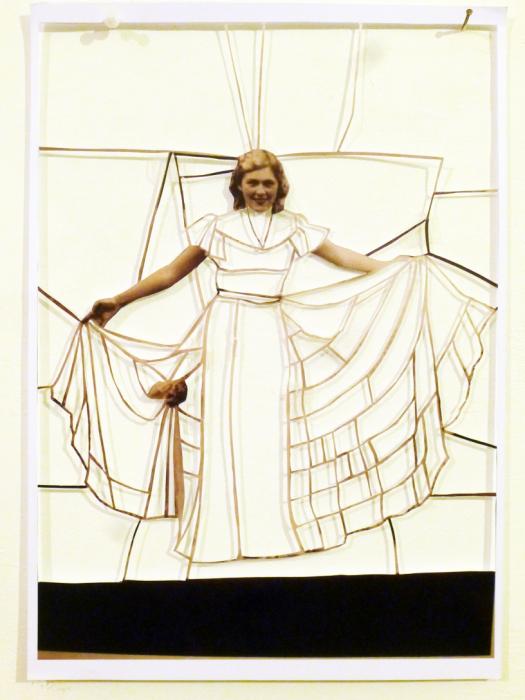
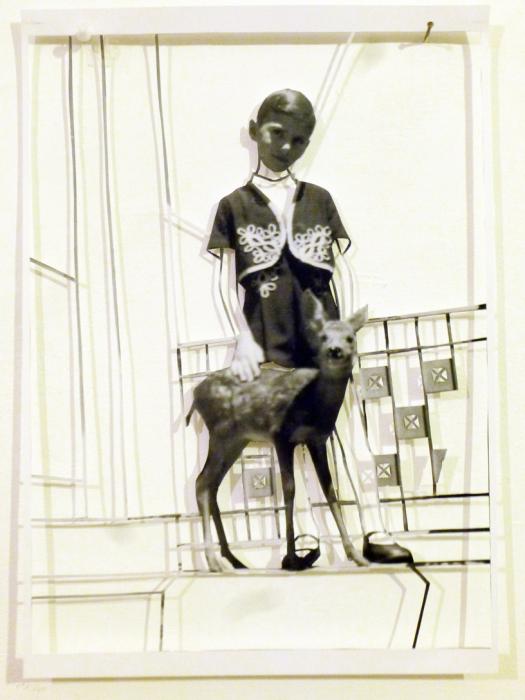
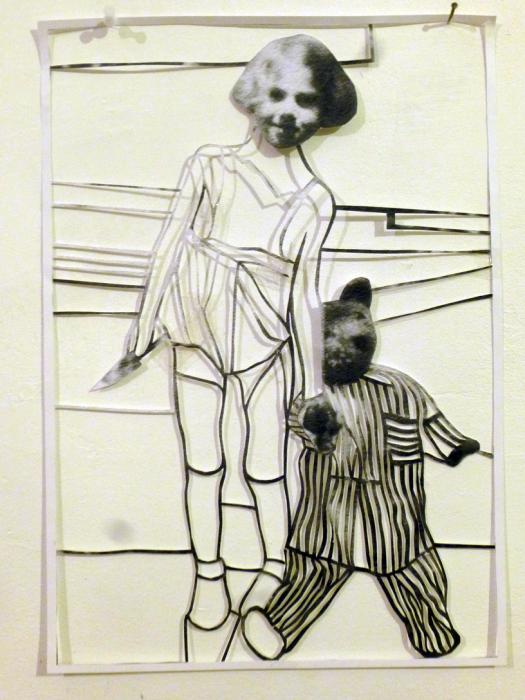
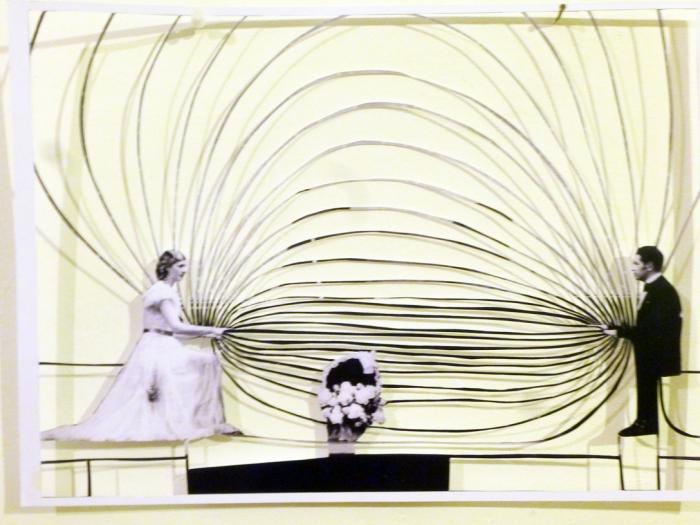
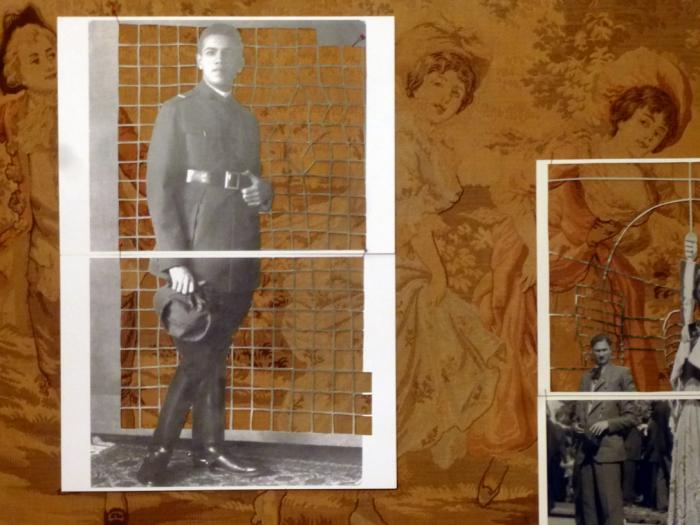
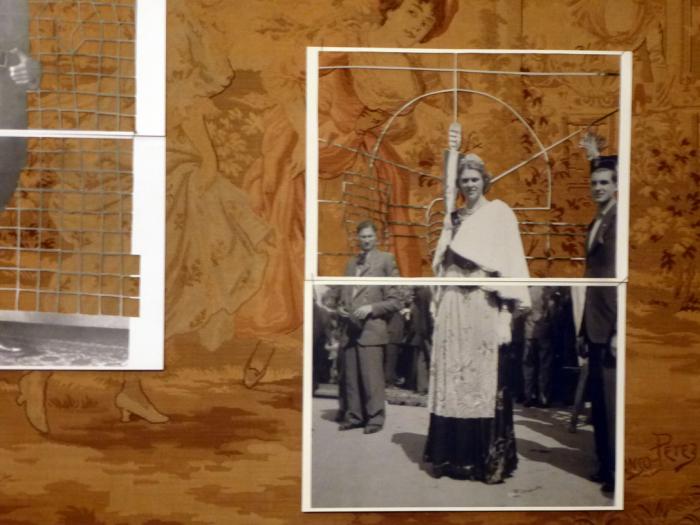
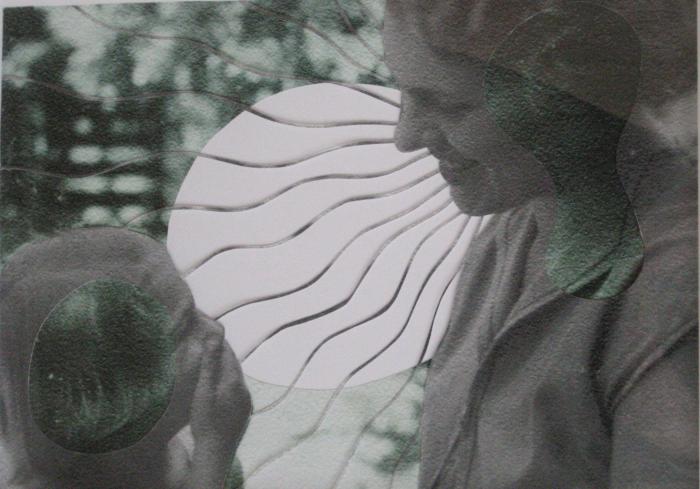
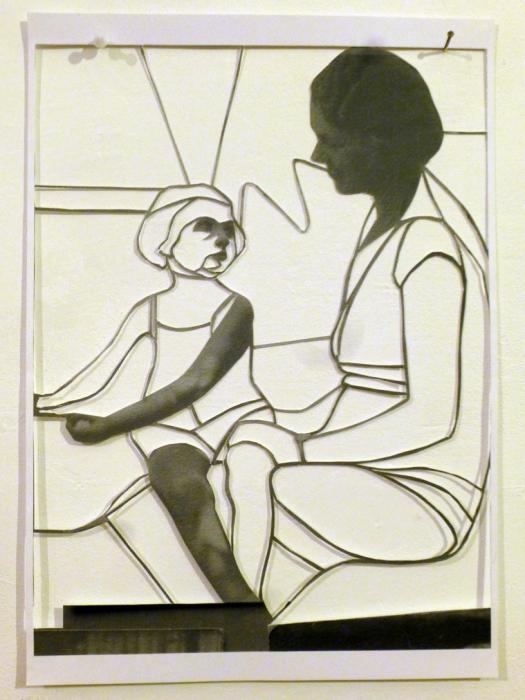
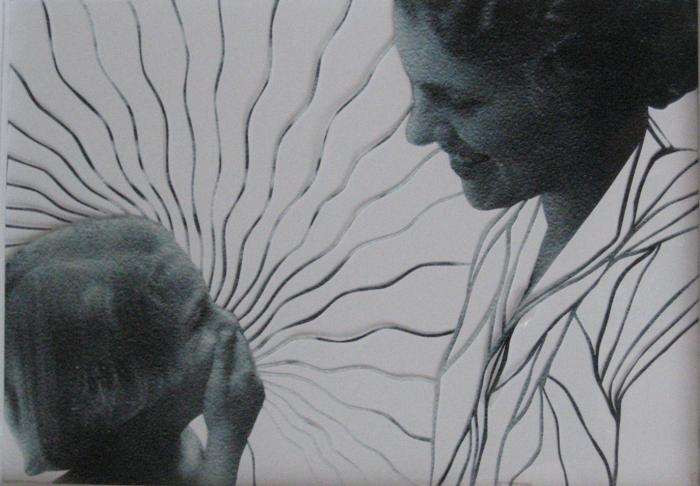
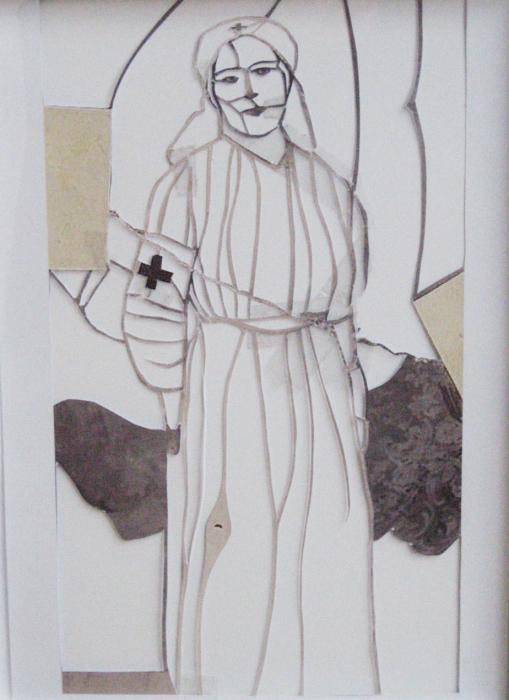
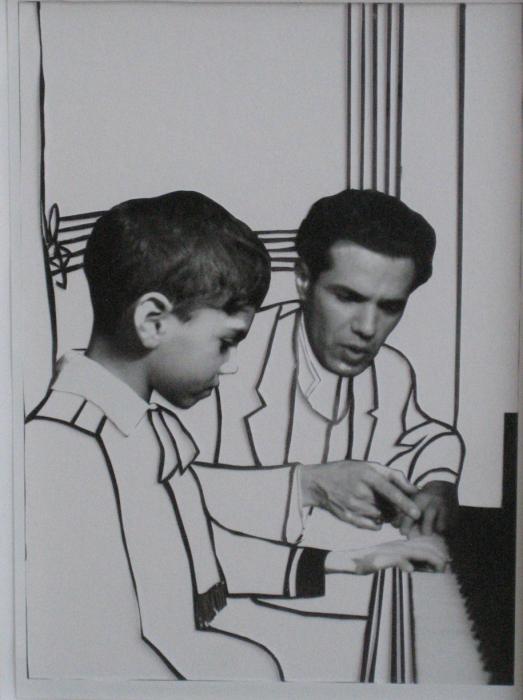
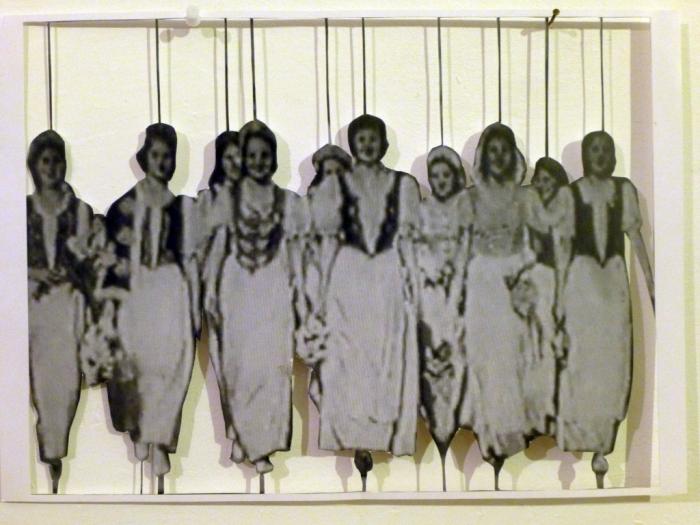
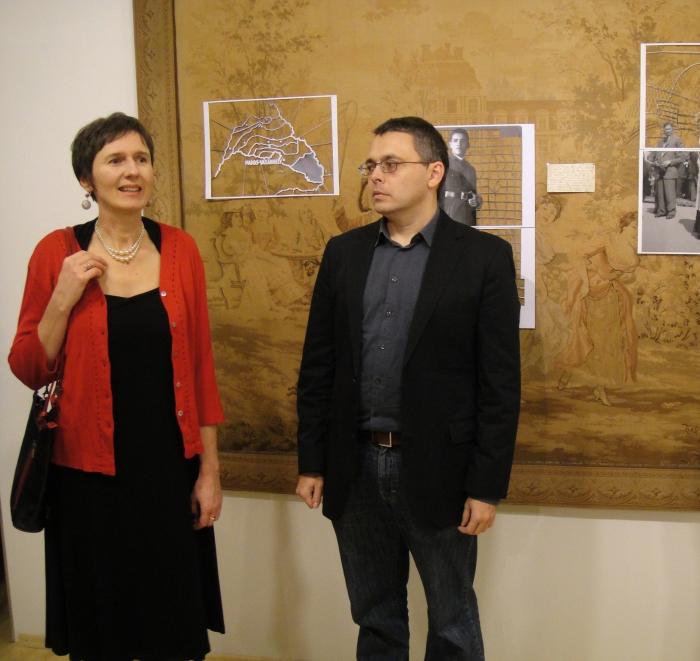
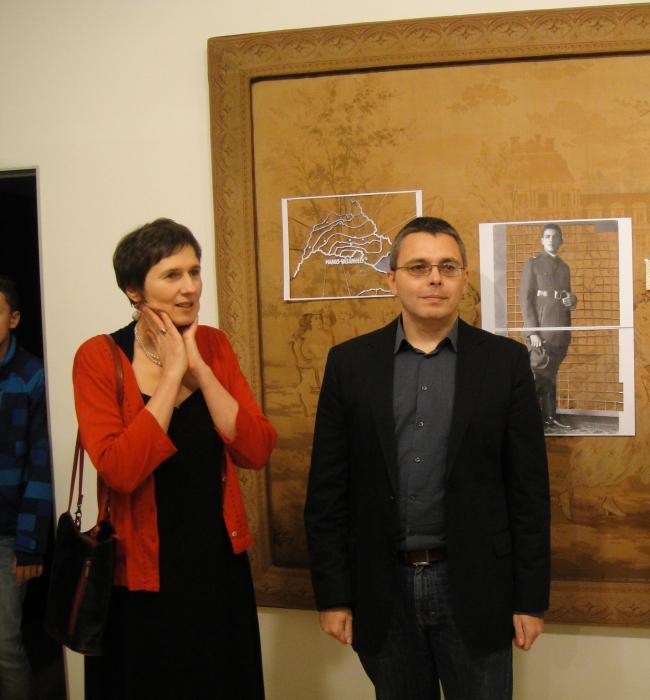
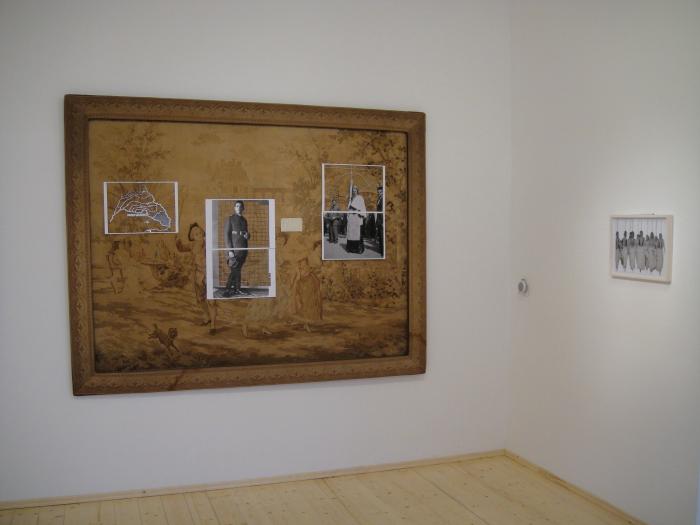
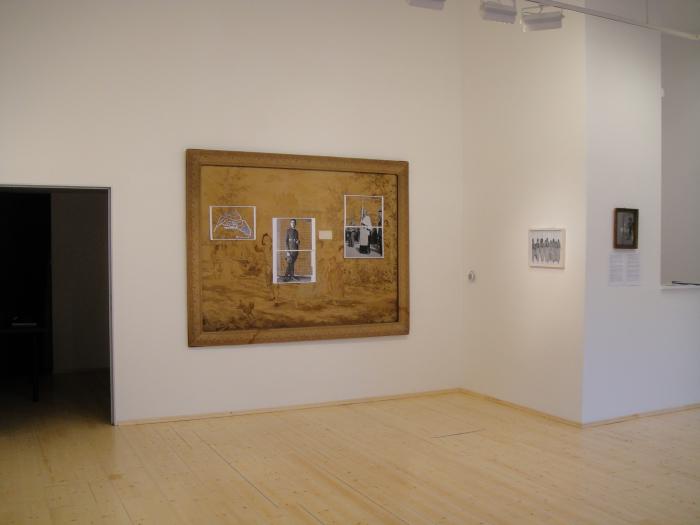
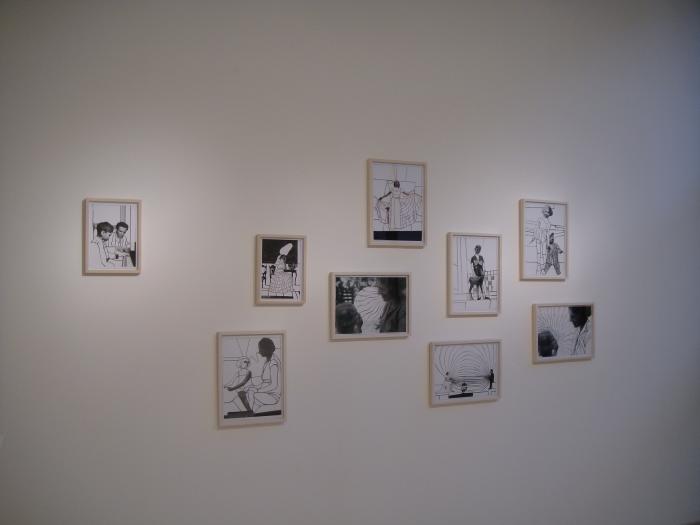
The subtle story is drawn by a collage-like installation created with various media. The tapestry interpreted as readymade becomes the means of personal presence in the citation of past. The photo drawing cut outs are documents by the morphology of photographs, but to the cut outs, they also can be regarded as metaphors of historical inaccuracy and incompletion. The video with its space-concentration and temporal extension emerges from the present and shows more than a personal story with the unfolding of the past. The artwork gives insight to one of the much interpreted and reinterpreted exodus of collective history.
The exhibition is physically colligated by travelling, motion, and the visual icon of the means of deracination by outer force: the train. This image defines the artist?s timeless empathy as the axle of thought, which, emerging from personal space, turns into universal presence.
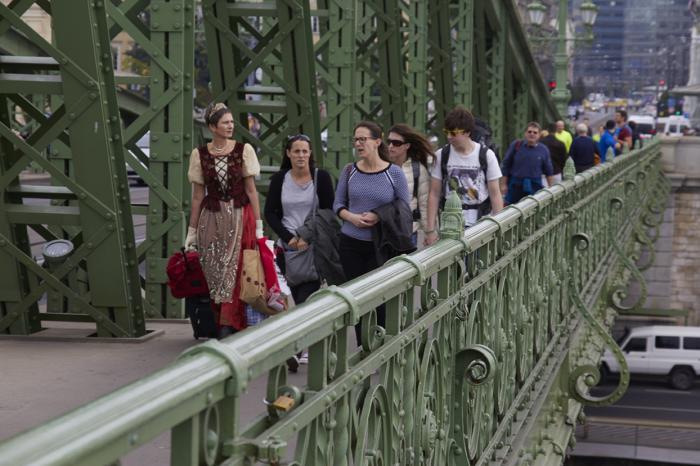
In the course of her research, CHILF encountered history-embedded human fates through the story of the traditional Hungarian ladies' gala-dress. The former possessor of the dress, the grandmother of the artist, greeted Miklós Horthy, the governor of the Hungarian Kingdom, wearing this very piece in Marosvásárhely (Târgu Mures) in 1940.
The same dress with the exhibited tapestry and other family objects travelled through Europe with the pupils of 'Csaba Prince' Royal Hungarian Military College to the military post in Bergen-Belsen. It was László Husztfalvi, the sub-lieutenant of the military college, and also the former Labour Service commander of the convert (1939) pianist, Miklós CHILF, who stowed the dress away in safety. After the WWII, the dress came to Budapest with the help of Gyula Perl, a survivor of the Bergen-Belsen camp.
Aunt Márta (born Husztfalvi), whose telling voice surrounds the exhibition, kept all these belongings for seventy years. This year she deposited them in the National Museum as the property she received as a present from the late Mária CHILF. The dress reached the present member of the Chilf family through the name and became the medium of elaboration of the past and the exhibition.
'I knew little about my early passed grandmother, but according to my mother, who did not know her either, I resemble her. (..) I took the dress at night but unfolded it only in the morning. The smell of seventy-four years containing my grandmother's own scent, as if the object could talk, its material lived through the one who once felt, and reached someone else whom it is important for something else. In this process, the connections found me at the time when I had no fears anymore.'- says the artist.