


Colorfield
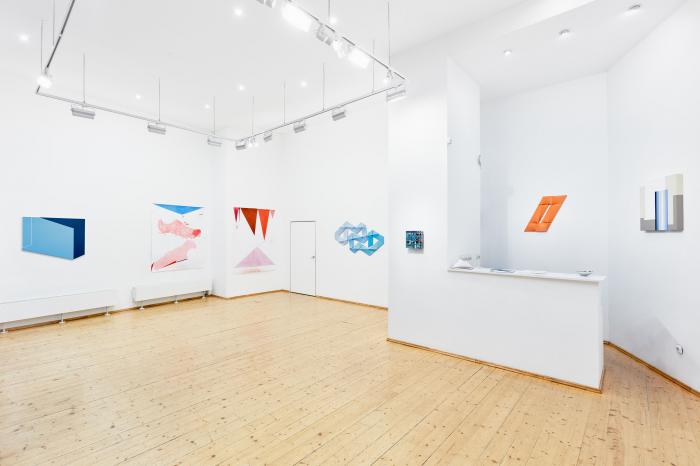
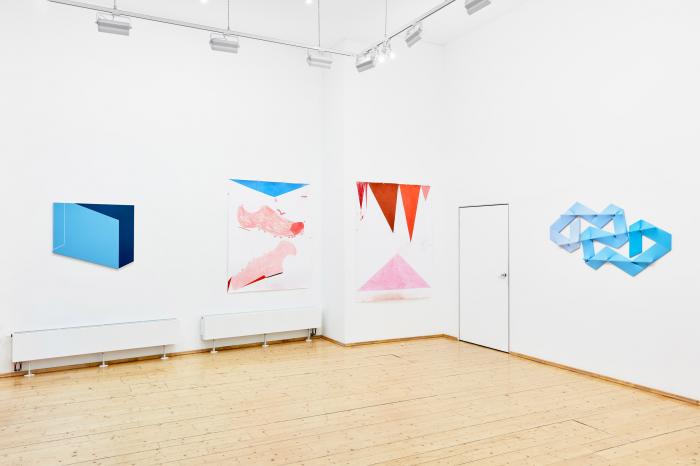
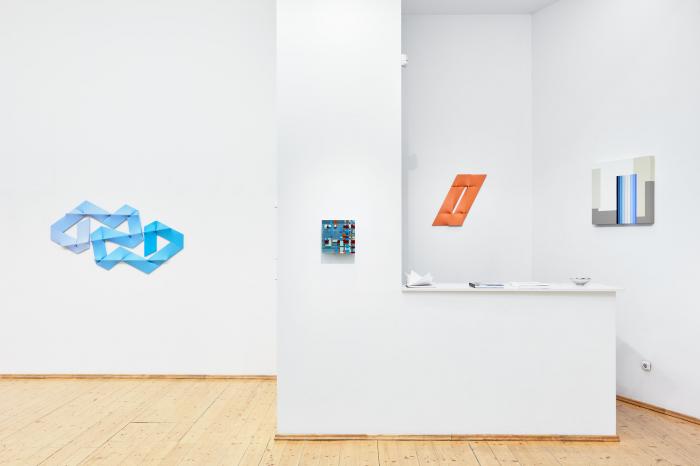
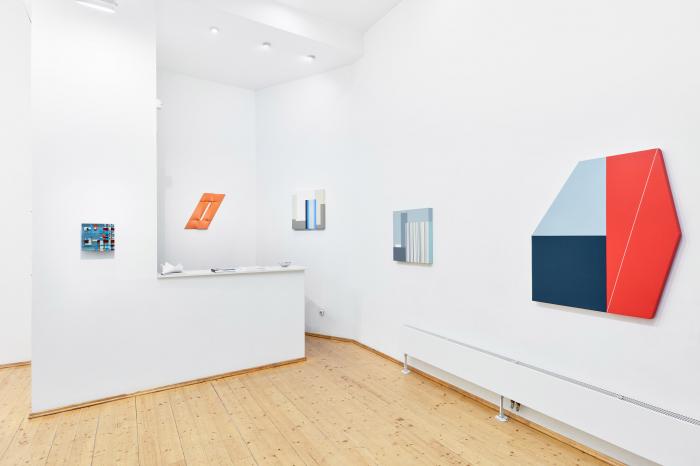
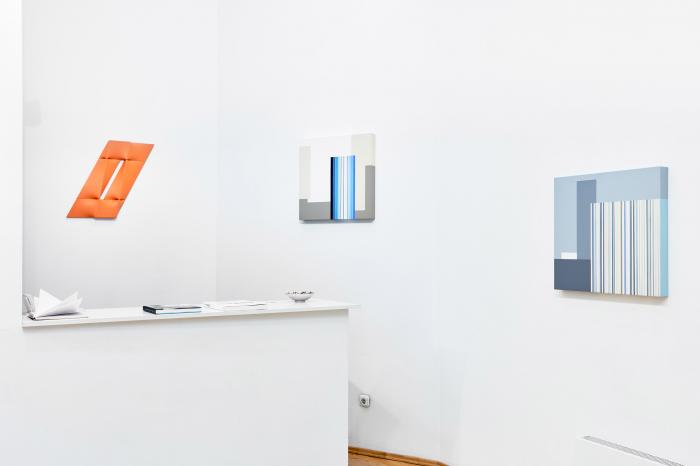
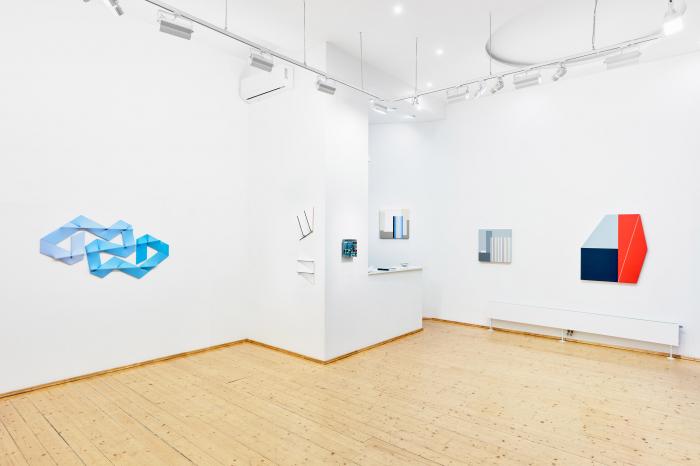
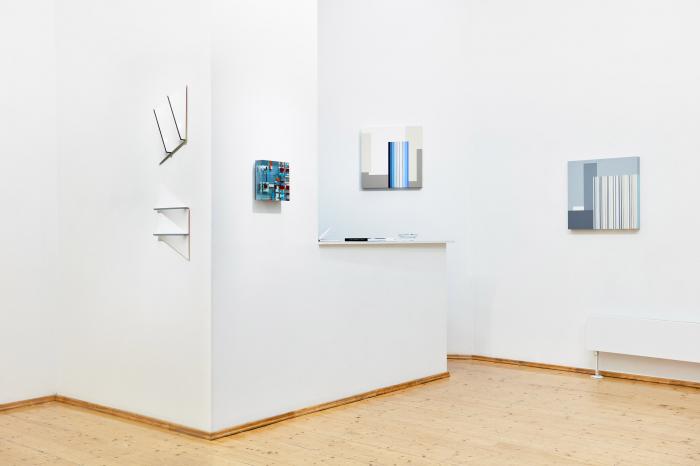
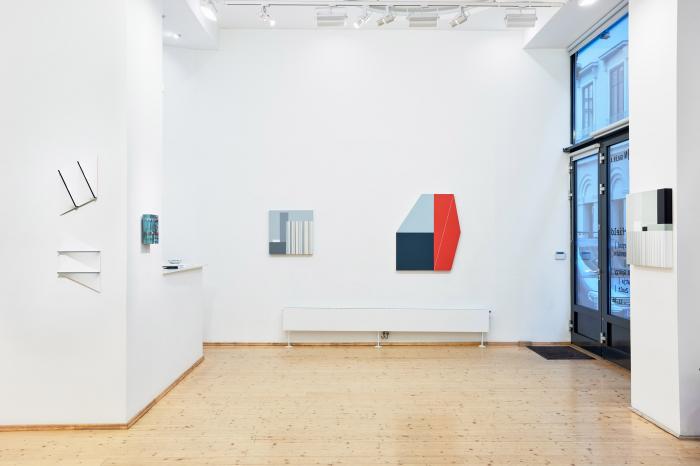
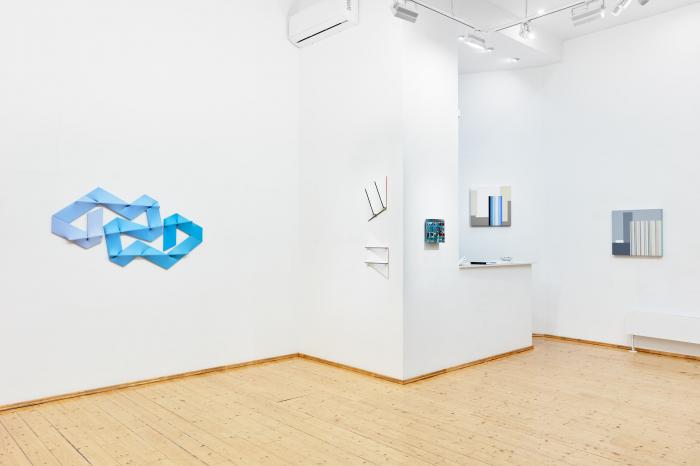
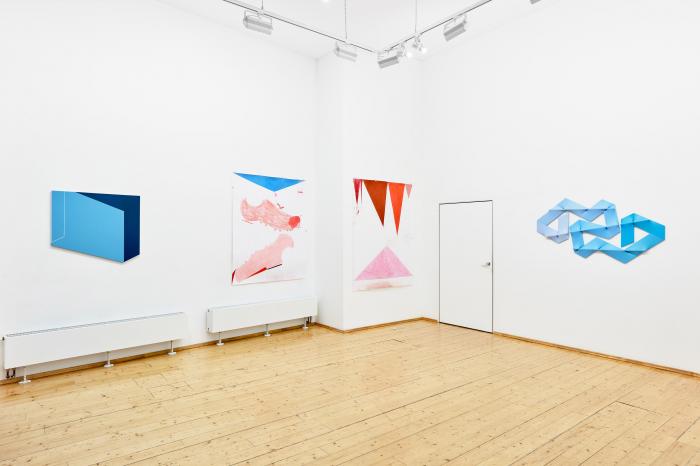
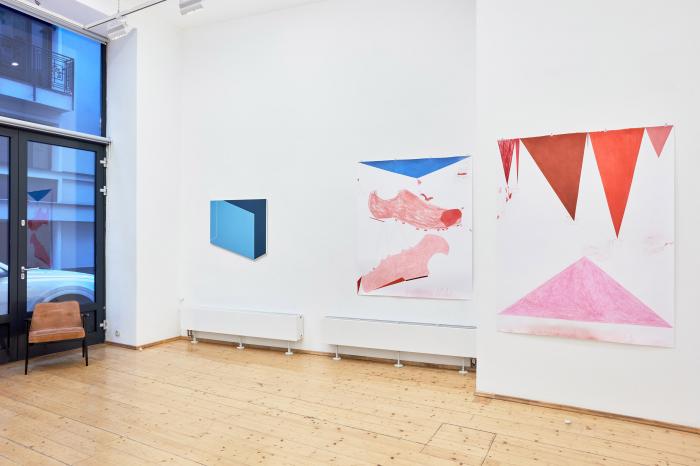
Monochrome rectilinear surfaces, which fill the canvas - the colorfield's classic definition has not changed during the last decades, although its appearance had shifted about in its different usage and artistic practices. Colour as the element of composition allows the artists to remain in the spheres of geometric abstraction, yet to put colour in the centre of emotional-based creation. VILTIN Gallery's group exhibition, Colorfield deals with the compositional values of colour-surfaces and colour-expressions: to present such artistic positions, where in the artists practice, the fields of single colours are reoccurring components.
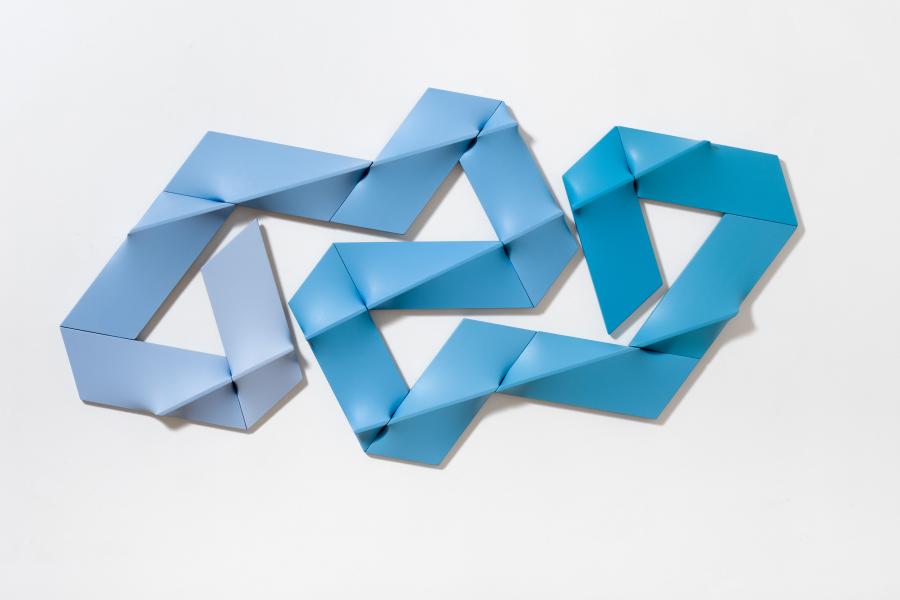
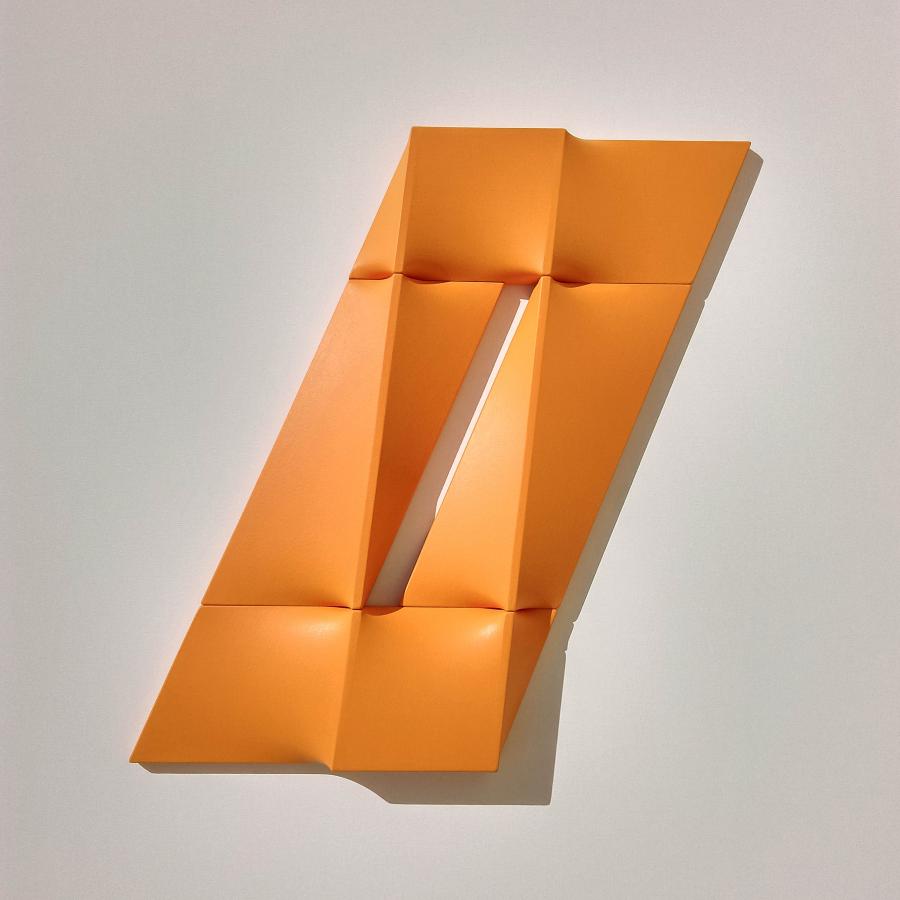
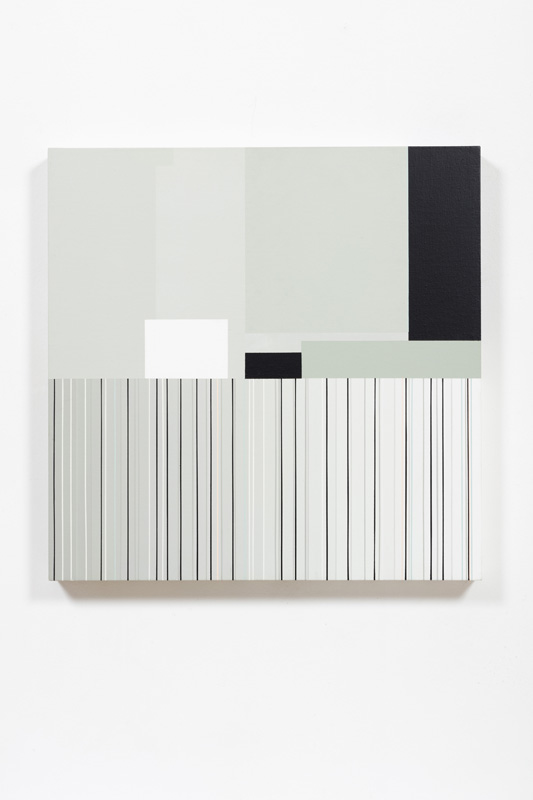
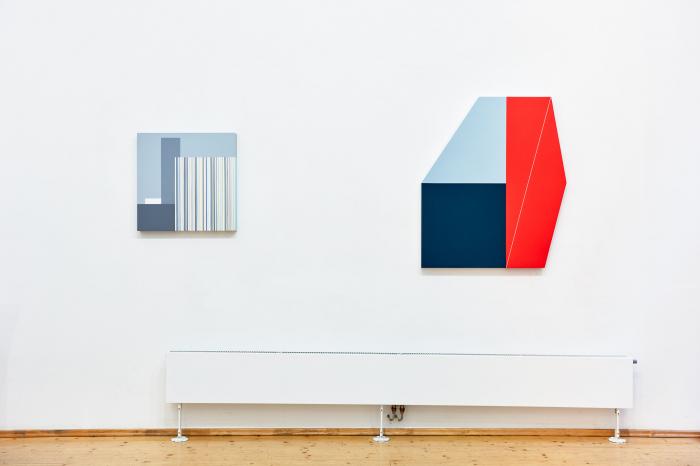
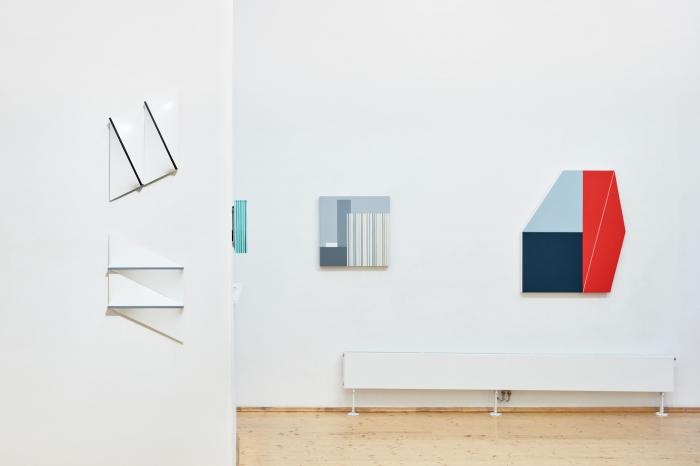
Árpád FORGÓ's (1972) artworks are built of separate and monochrome colour elements, based on individual experiments and calculations through units of ratio and modules, they become geometric based moulded canvases, reliefs. Through the simultaneous presence of two and three dimensions, he examines the questions of post-painting abstraction. In his artistic practice, he examines the dimensional opportunities of the painting's surface. For a decade, he has been investigating the different borderlines of colour, embedded in the Bauhaus. He considers his works more and more as multi-dimensional compositions, his image-constructing technique usually deals with the relation of elements, shapes and the exploration of the whole and the partial.
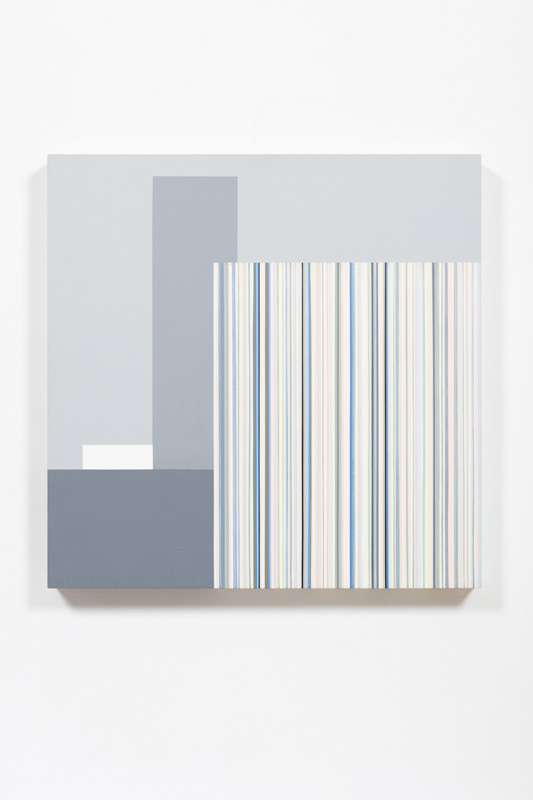
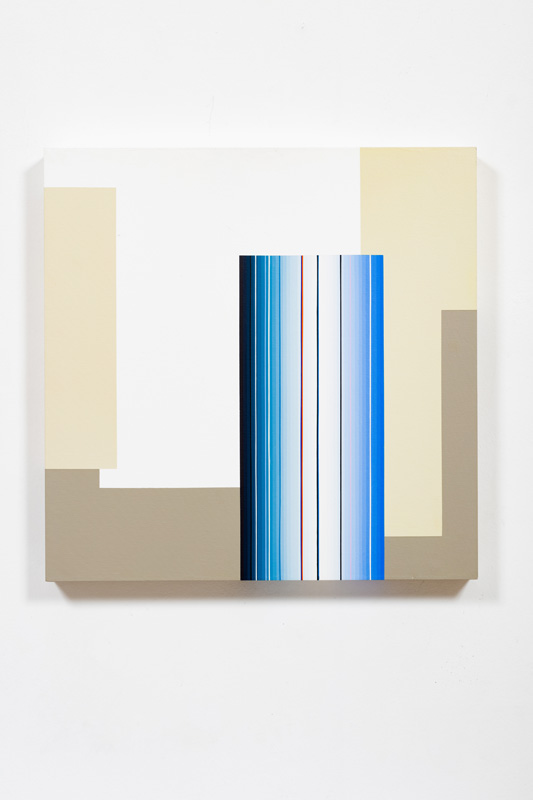
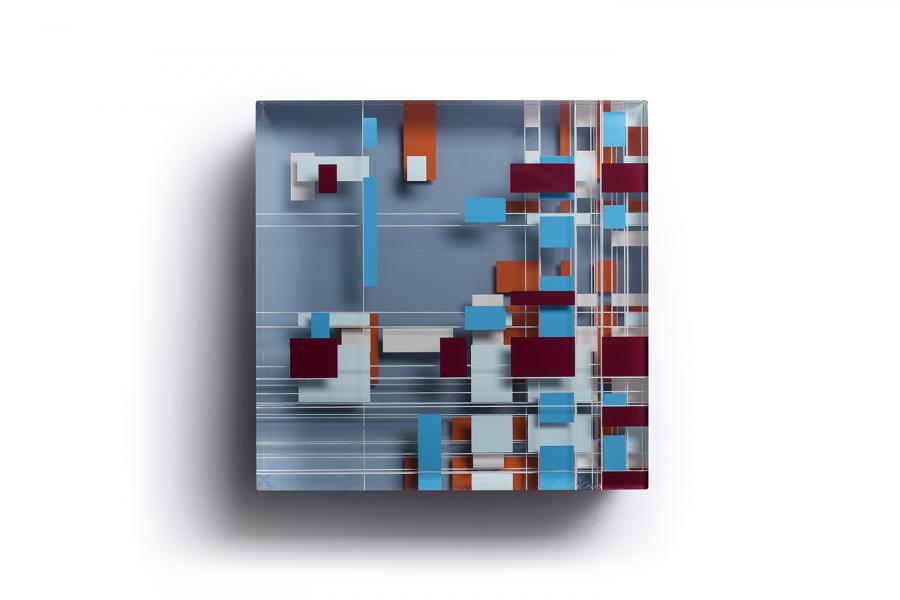
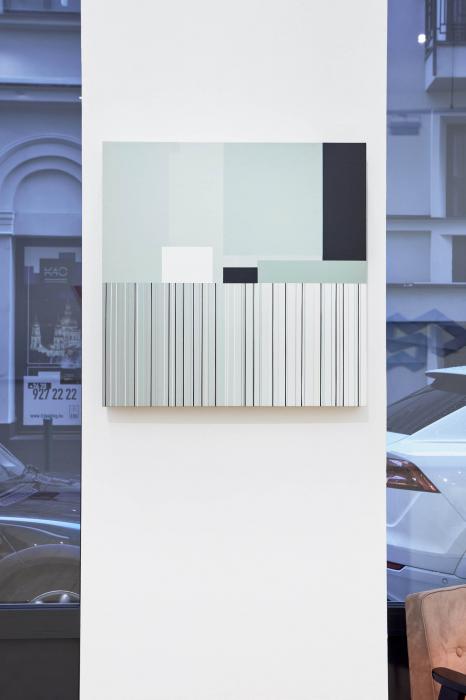
György GÁSPÁR (1976) creates his glass-artworks by adopting the visual traditions of op-art and following the philosophy of deconstruction. In his works the countless, layered line structures based on optical illusion create a fictive space. In his latest works he reaches back to the traditions of the neo-plasticism, analysing the structure and colour-usage of the image making. Instead of direct colours, he applies orange, deep red and turquoise. In his square image territory and the colourful shapes appearing in it are determined by the vertical and horizontal lines, which run to the edge of the image, simultaneously constituting his compositions' sub-visual structure.
István HALMI-HORVÁTH's (1973) series entitled Colourstructure deals with the effects of forms and colours on each other in the light of a dynamic composition. On his paintings, the arranged rhythm-changes rule the frame, where next to the optical playfulness of the structures he examines the problematics of the dimension of the image. Halmi-Horváth reinterprets the non-figurative traditions, yet dissolves the static geometric closeness in the transparent layers. He converges within the borders of the painting: his clean and minimal language of expression is combined with rotation, reflection, shifting, while his reductive approach is loosened by the presence of colours. The structure of shifting remains on a subvisual level, as his compositions, which lead by multi-orientation, are created by the opportunity hidden in variation. His compositional order is built on the canvas, removed from his structures based on mathematics.
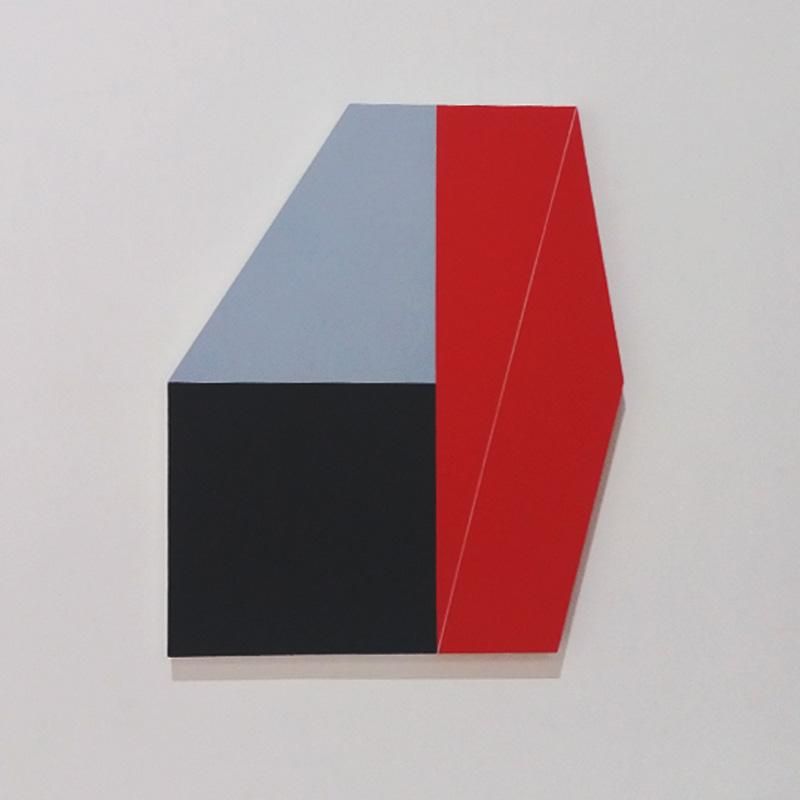
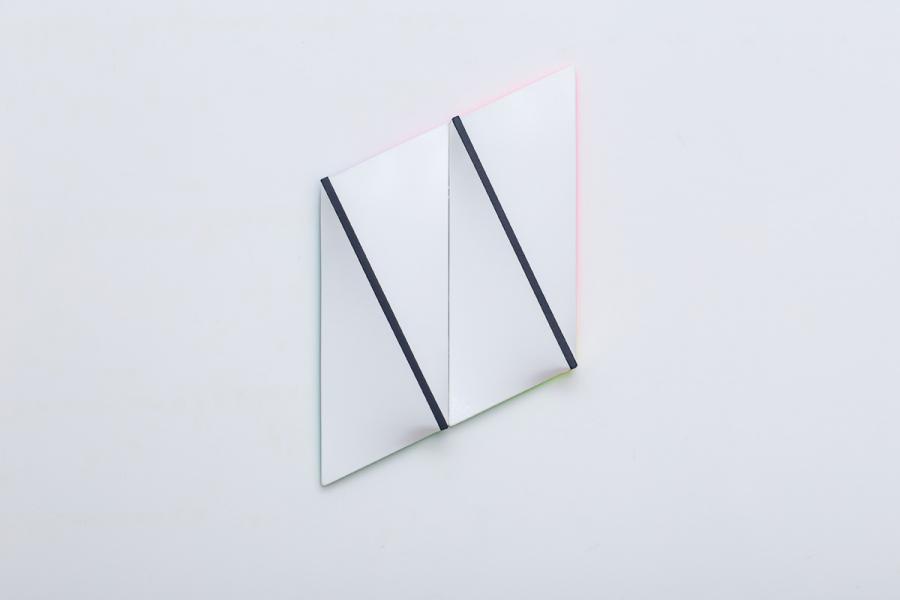
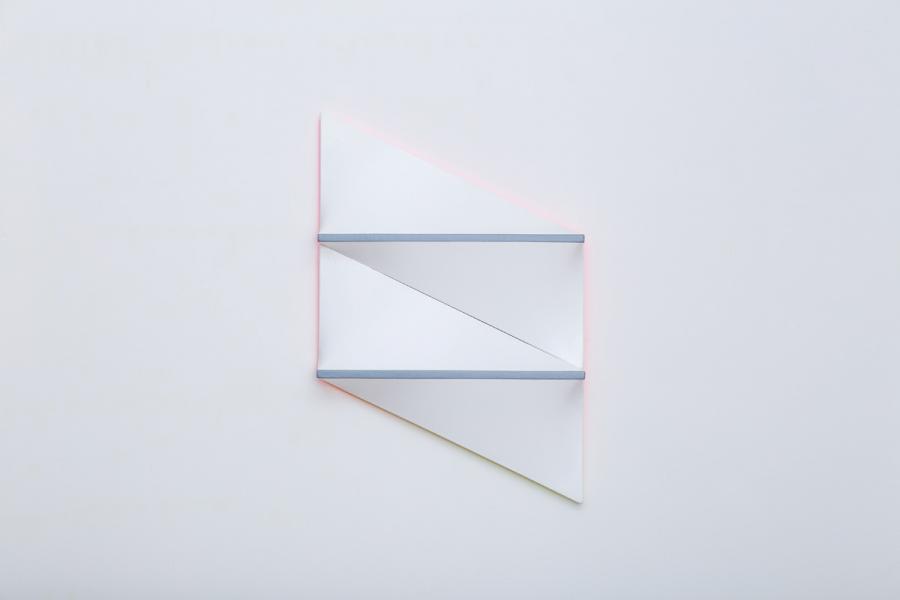
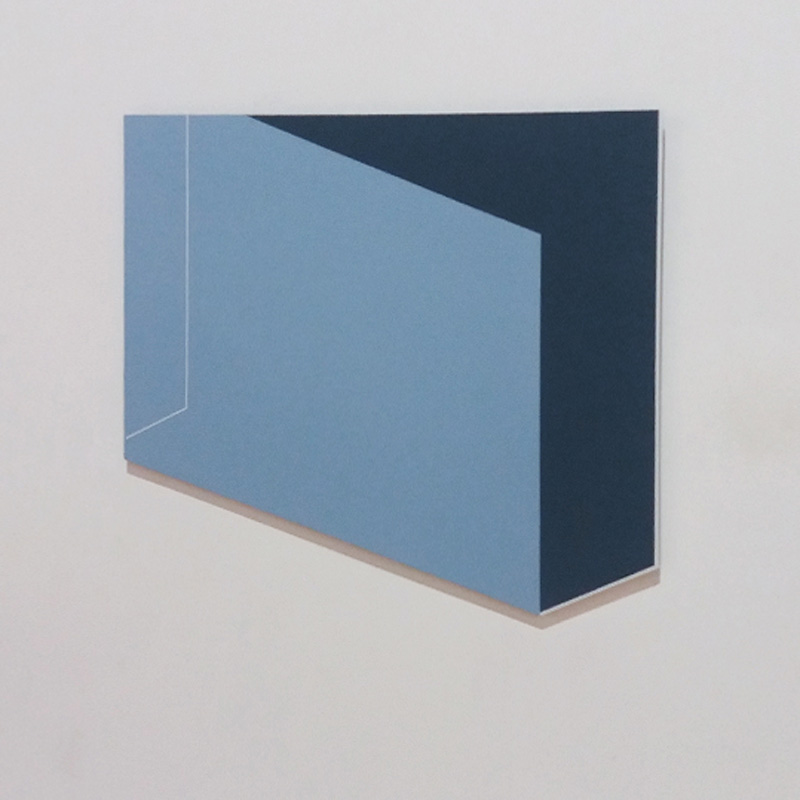
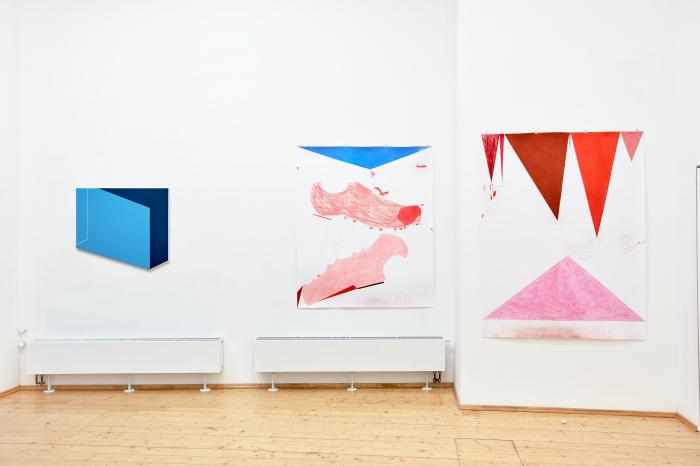
Katja PÁL (1979) follows the traditions of the Stella heritage, the shape of the canvas is subordinated to the motif and the composition and adjusted to the appearance of the shape. Her constructed wooden boards do not step into the two-dimensional, they rather project the idea of a rotated axonometric pictorial drawings. The colour field and the white contours, thanks to the shaped canvases, appear as two-dimensional, meanwhile the edges and the forms of the image are shaped by axonometric presentation. After computer-based predesigning, she creates the shape and composition of the image-bodies. The wooden boards are sanded multiple times and covered with a light fabric. Then they are primed several times, recalling the monochrome and minimal art of the 70's spiritual manuality.
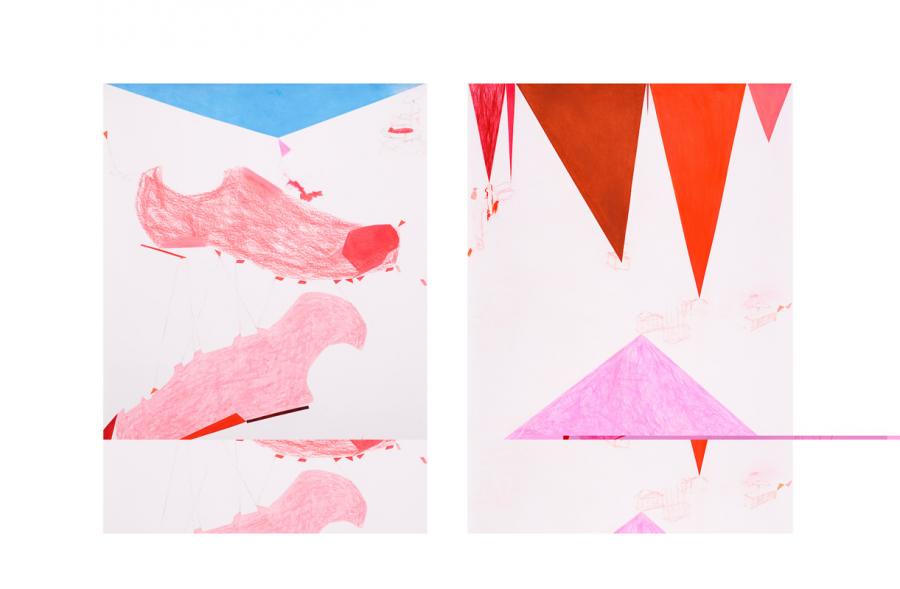
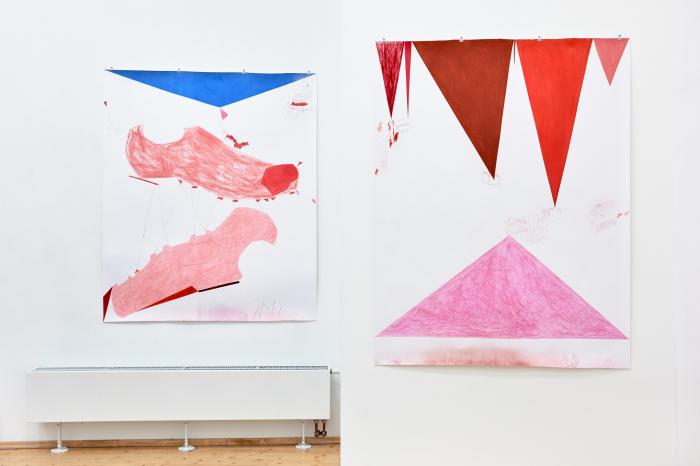
Zsolt TIBOR's (1973) diptych pictures recall his well-known technique of free association, collage-like image structure, where the playfully placed and loosely connected colour fields appear and the graphic elements counteract with the expressive colours' associative elements. In his thematic, he often deals with romantic image-building practices; he follows the footsteps of cubist collages and Dadaism, while he places opposite elements rooted in surrealism next to each other. Besides the 70's self-reflexive conceptual art (art about art) can be traced back in his works. In spite of these relations, he creates in an autonomous tone: his works are the ground for the interpretations and modelling of our present. In his latest works, the picturesque has a significant presence: the diverse usage of materials (spray, pastel and brush), the rich colours, as well as the demonstration of the materials' attributions transmit the involvement of the scenic values.
Árpád FORGÓ
György GÁSPÁR