István HALMI-HORVÁTH | Lumen
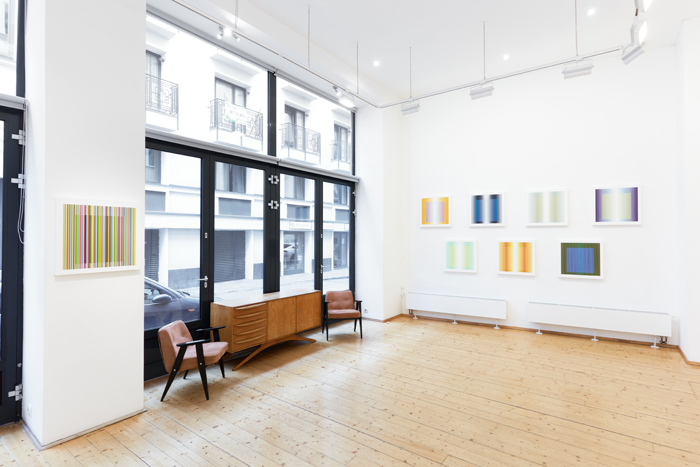
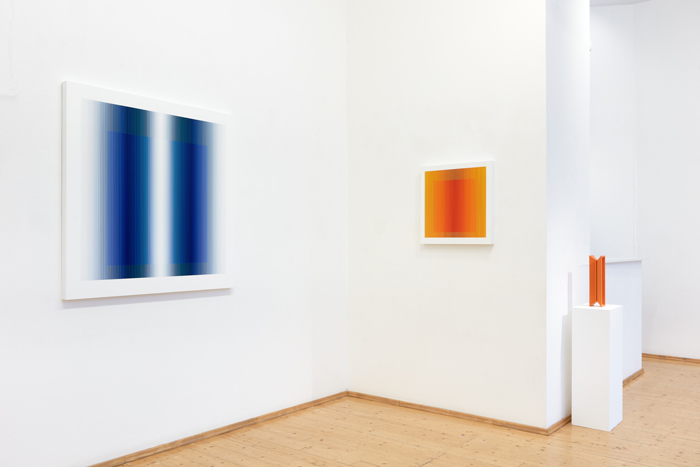
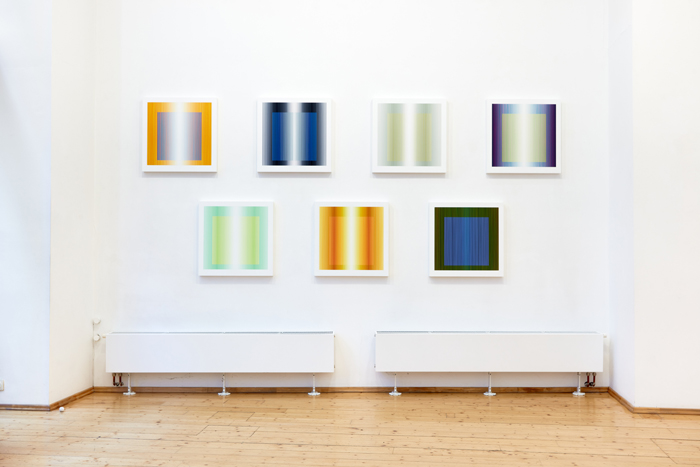
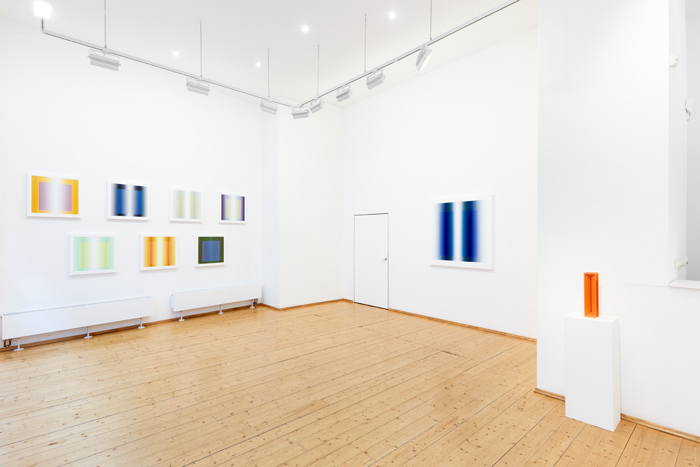
VILTIN Gallery opens the solo show of István HALMI-HORVÁTH titled Lumen, showcasing the latest series he started in 2020.
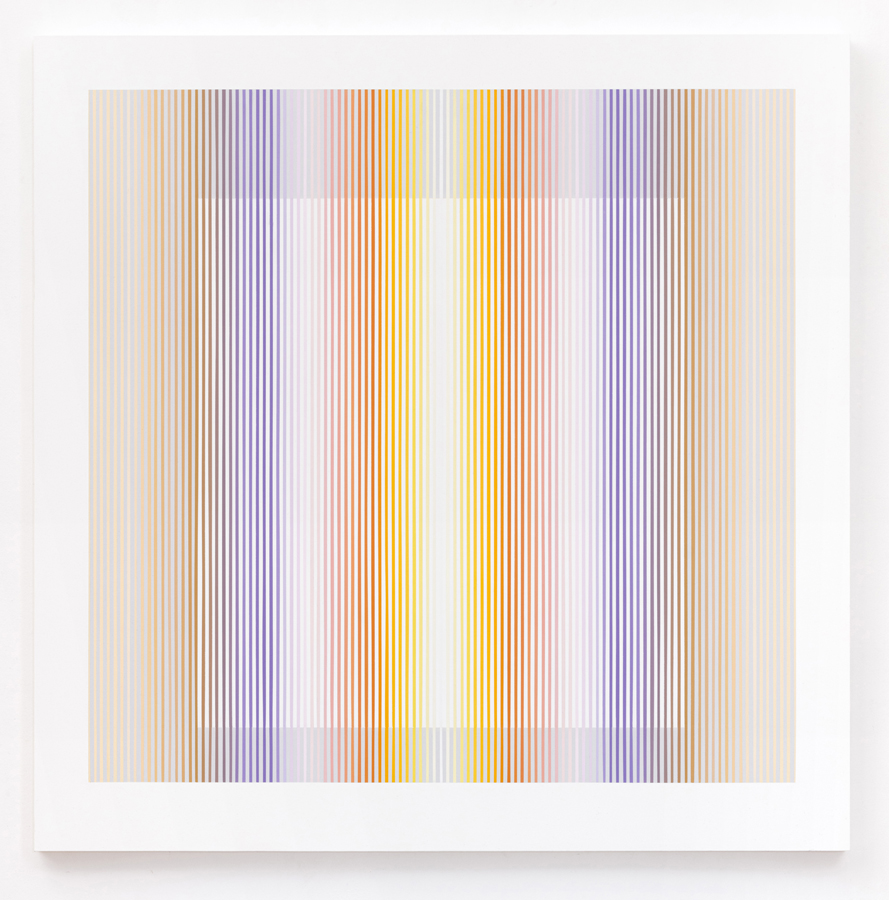
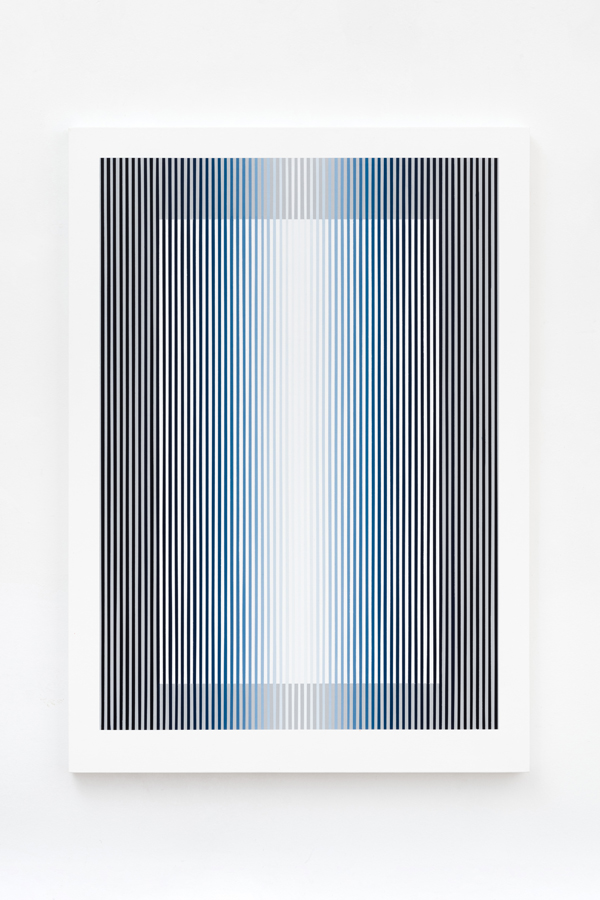
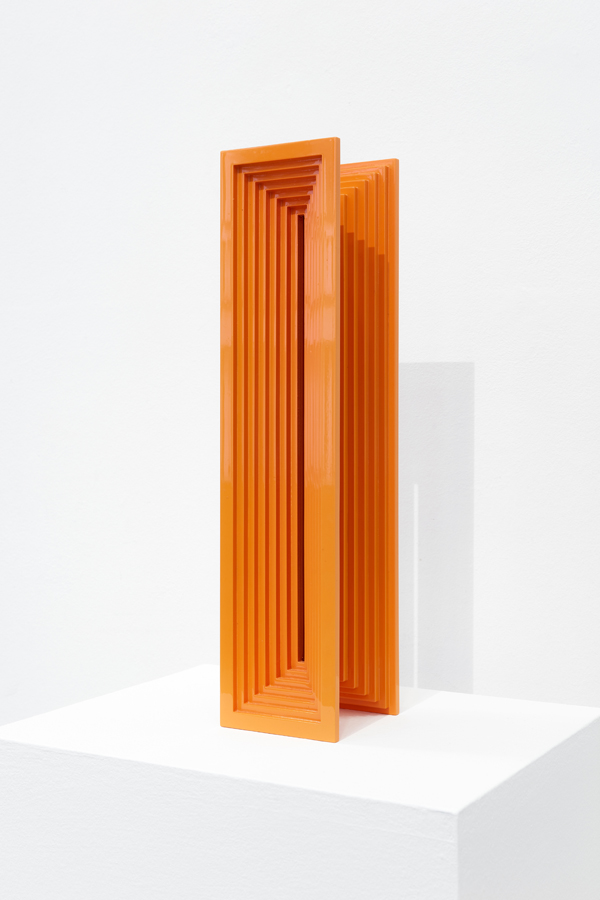
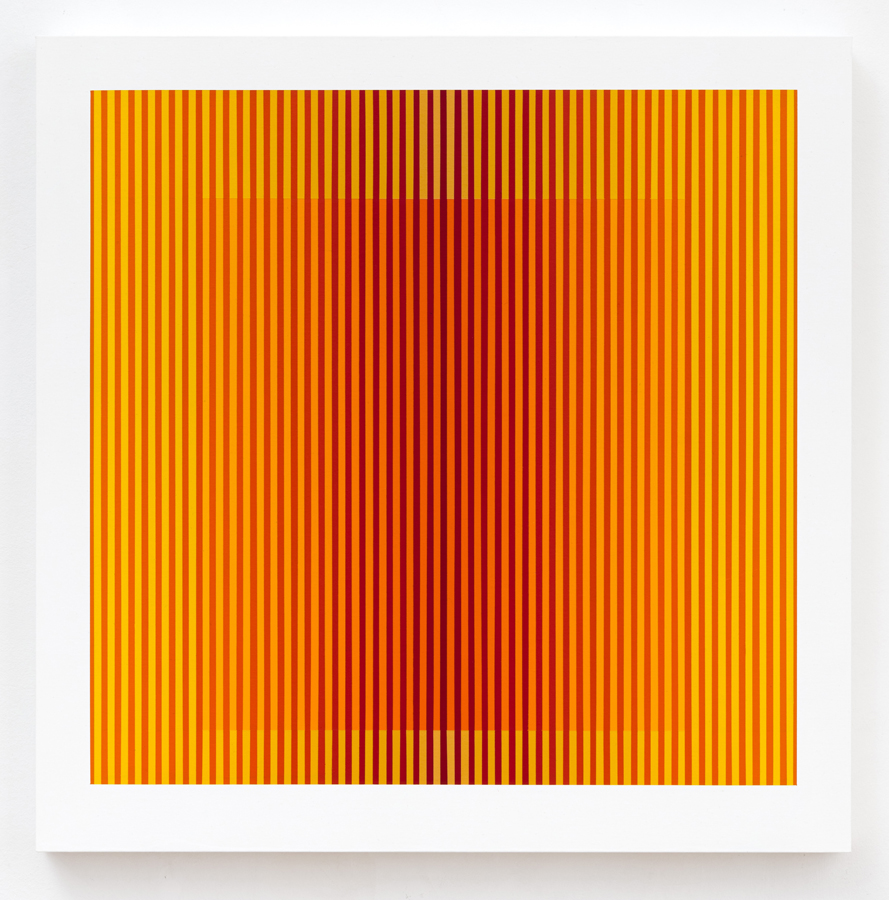
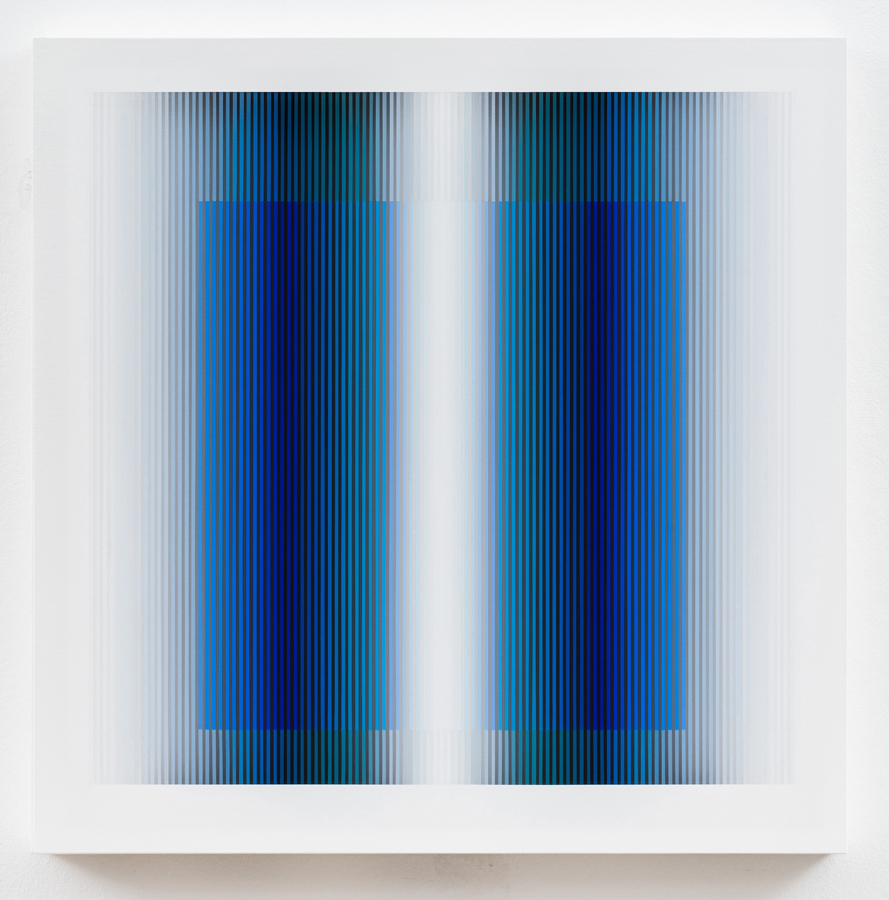
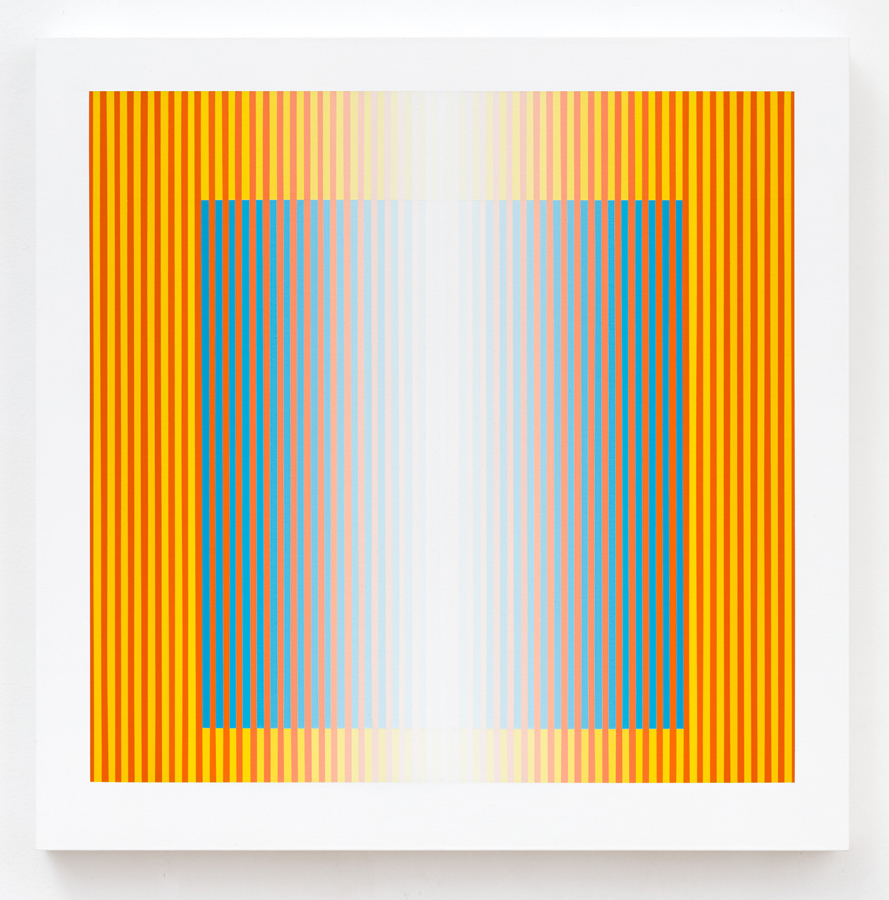
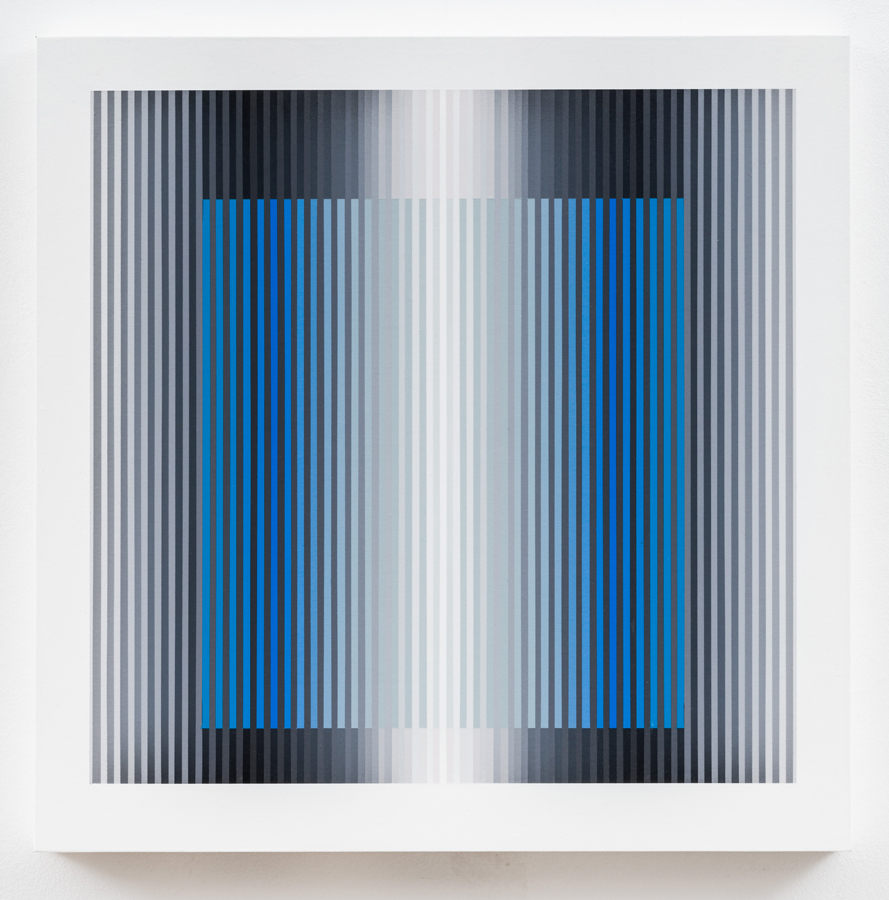
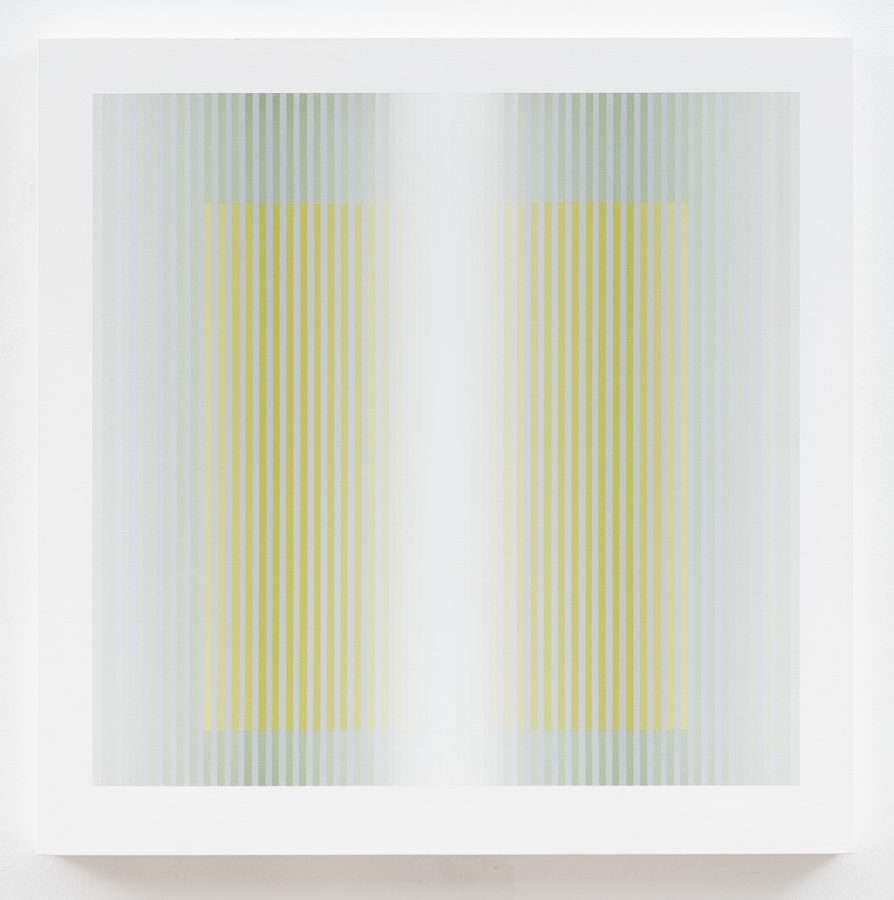
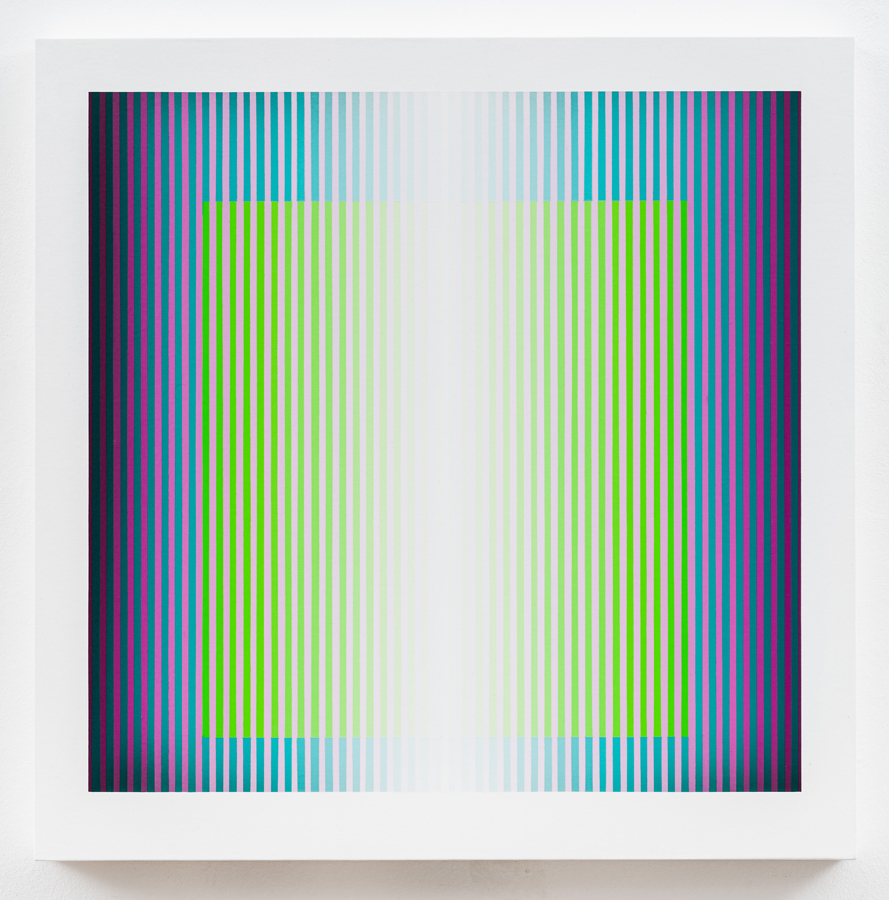
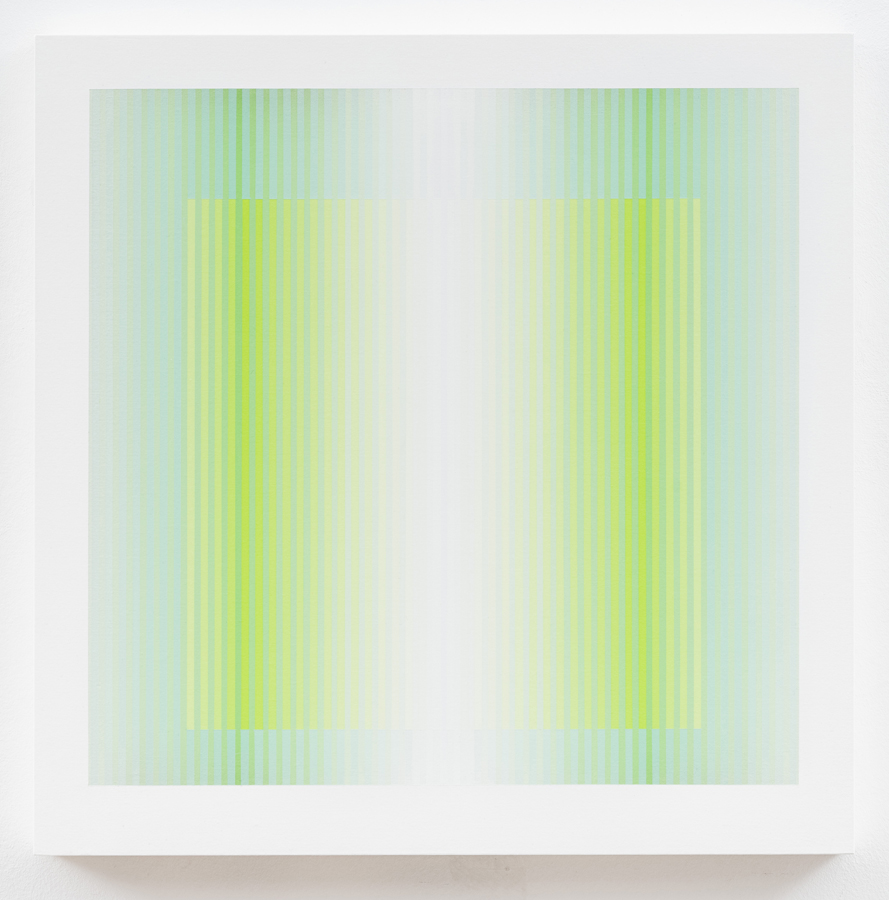
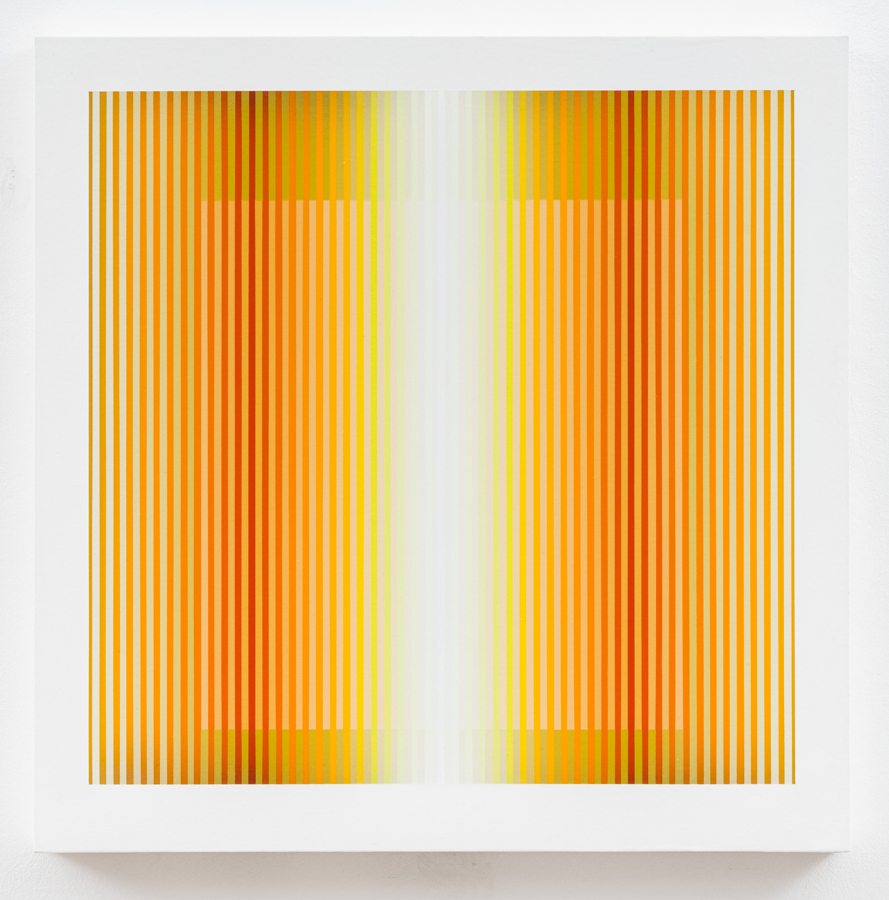
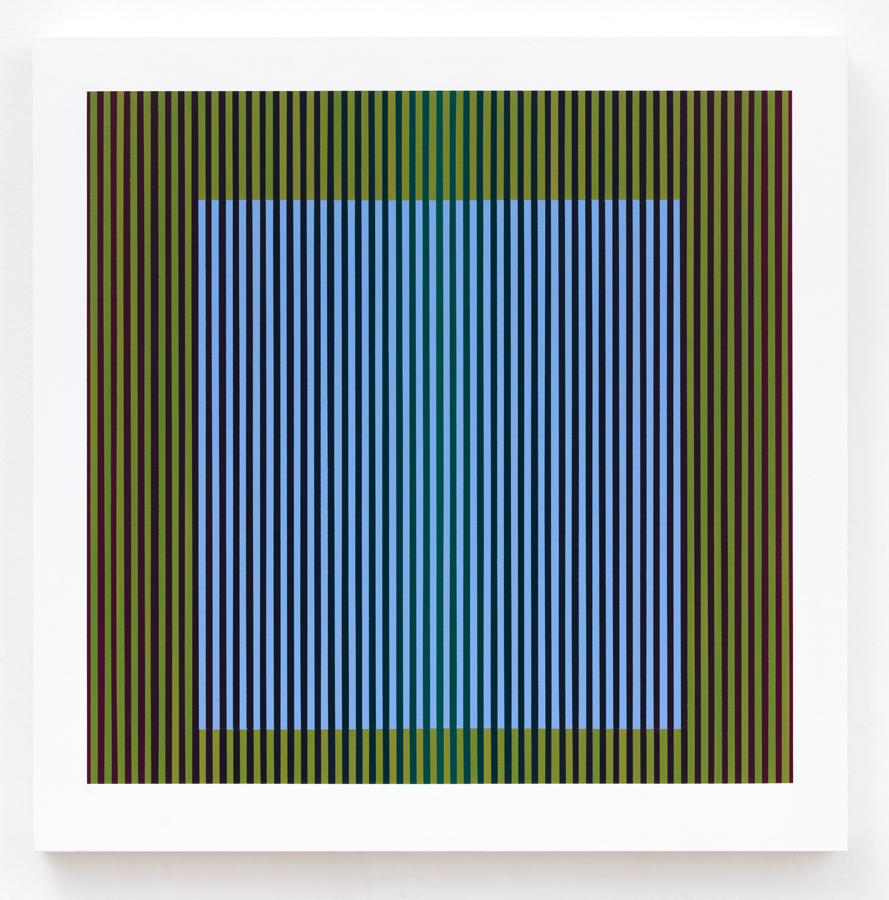
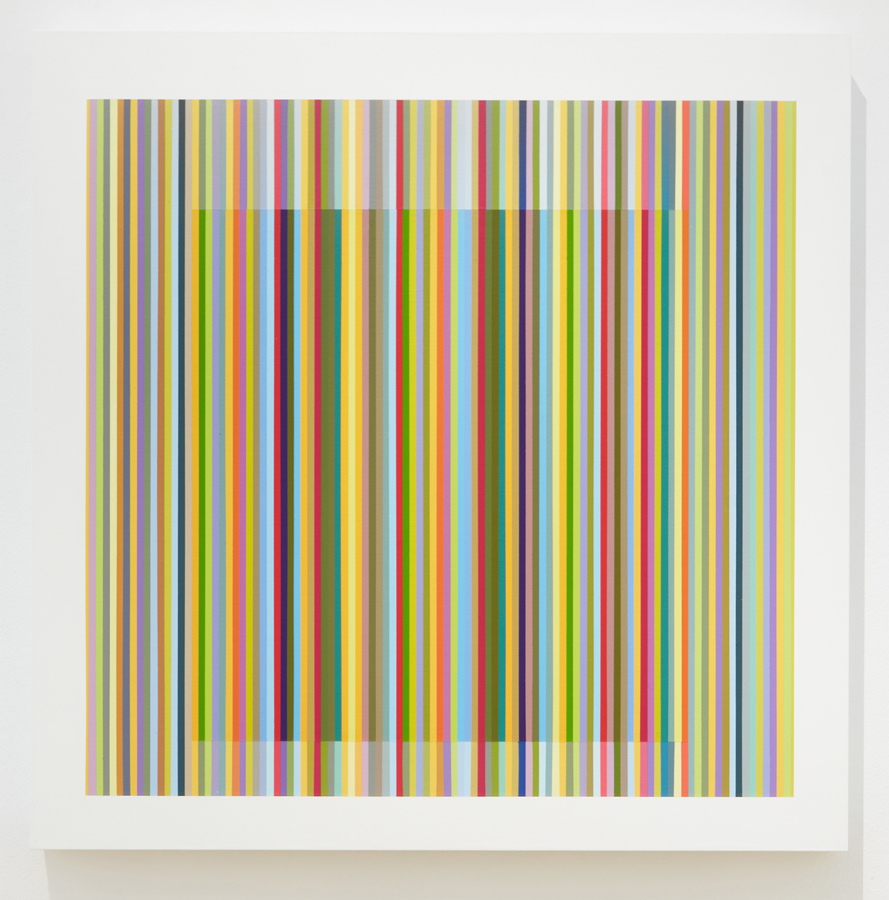
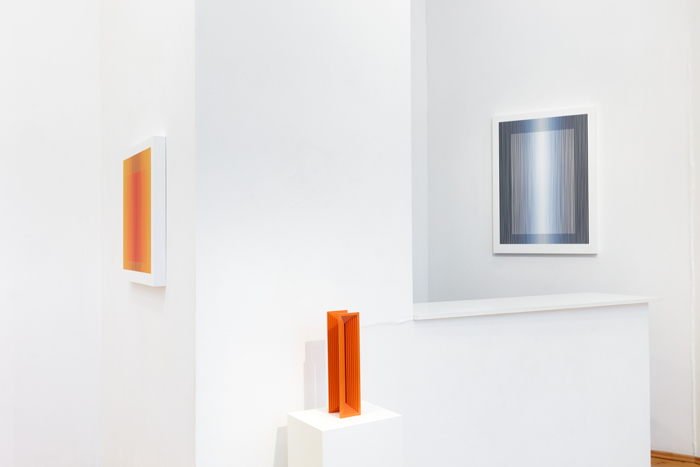
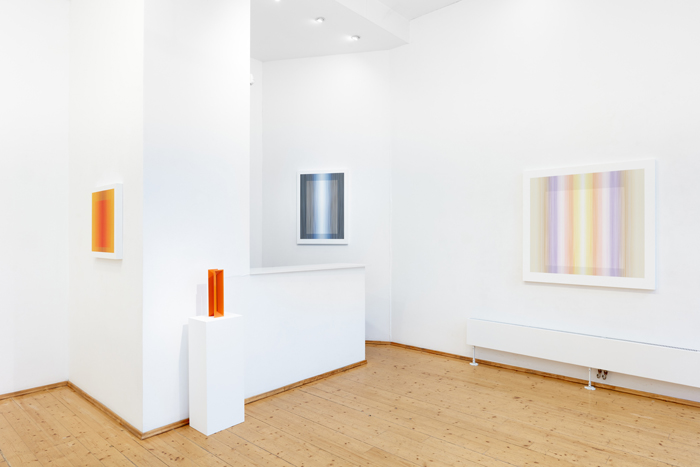
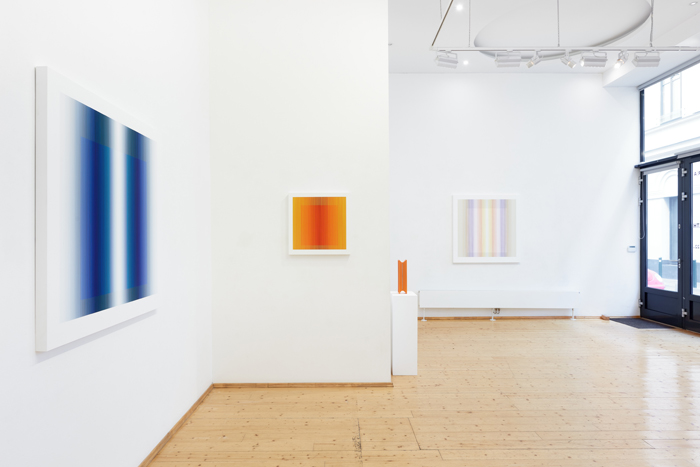
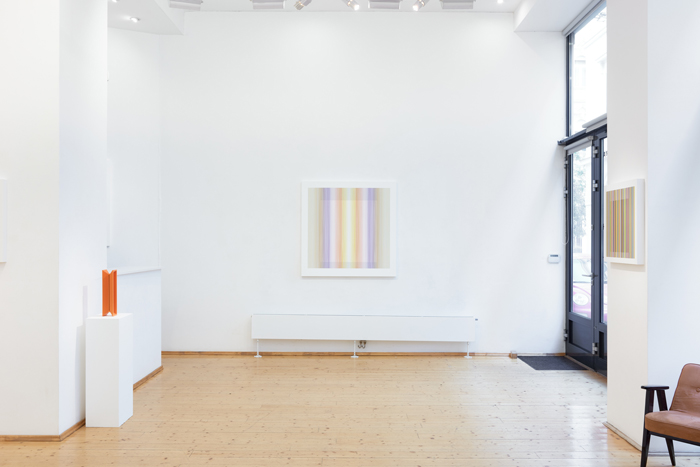
The series of István HALMI-HORVÁTH's artistic practices are based on the laws and interactions of geometry and light, where the effects of light are emphasized by the painterly attitude accompanying his creative ambition. In his compositions, the objectivity of the structures meets the optical-additive mixing of colors. His color and form theory experiments manifest themselves either in calmer or vibrantly shaded and lined paintings. His constructive approach towards space is pronounced in all of his series; he relies on the twined playability of two and three-dimensional visuals, paired with solid color dynamics. His paintings' structural unity is created by the interplay of optical elements' thickening or thinning systems and the dynamically colored abstract grids. His visual elements' prominent or retreating tendencies eventuate in a specific visual movement. The tension of the adjacent lines and stripes and their perceptible rhythm with their optical color blend's illusion is responsible for István HALMI-HORVÁTH's emblematic visual world.
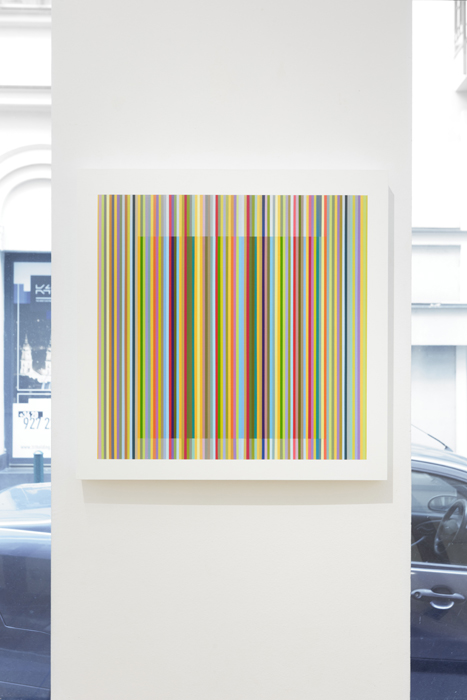
Reflecting on the art of Josef Albers, HALMI-HORVÁTH's series titled Hommage á Albers combines the visual elements of his earlier, PassageandColor Structures, works with transparent painterly qualities. The axonometric representation explores the connectivity of bands, the interrelation of colors, and beyond all, the beginning and the end. Their visual world resonates with Albers's works and the practice of Carlos Cruz-Dies and Jesús Rafael Soto. The reflection to the op-art master is seen not only in the overlapping transparent layers' delicate three-dimensional effect tracing out the square. The optical illusion-like imaging approach can also be detected with the colors' physical reality and their psychological effect in the account. The symmetry of the paintings, the constant geometric order, and the colors' endless variability induce that delicate dynamism, which is ignited by the spectators' viewing mechanism. The square shape appears pronounced or hidden through the spontaneously and steadily unfolding sensual gradients, while the changing rate of light and tones revokes the images' oscillating visuality. The calm compositions, created by symmetry and color harmony, are divided with a streak of light, separated from the surroundings with a broad white frame within the picture, closing the visual game this way.