human project
BaJóTa | Viktória KALÁN | Patrícia KALICZKA | János KÓSA | Marcell MURÁNYI | Előd ORBÁN
In recent years, a significant element of artistic
experiments of modern art is the simultaneous application of various style materials,
colours and compositional practices either in the form of an artwork, or in an
exhibition interior, installation. Rewriting art history of the 20th century
and the practice of genre before that, the
artists work between various genres, or apply
them combined. Some of them adapt the stylistic results of postmodernism
consistently, whereas their elementary artistic attitude remains figurative.
Others in turn work in that thin, exciting and experimental area, where it is
rather difficult to differentiate between abstract art and the characteristics
of figurative artistic practice - or, the intention might be to emphasize this
fluidity between different genres and styles in order to create a new visual
linguistic area.
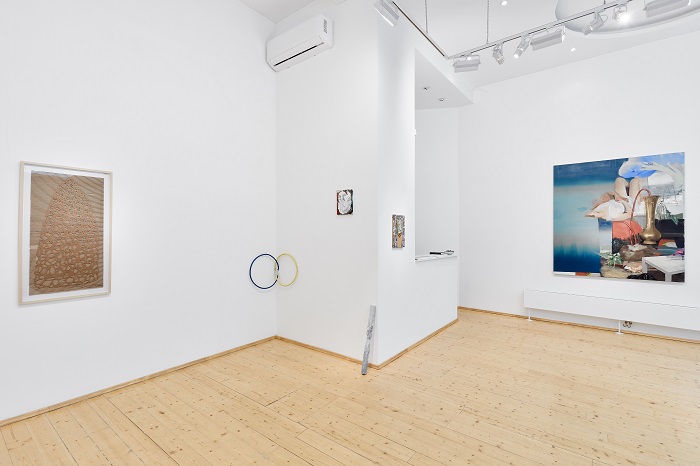
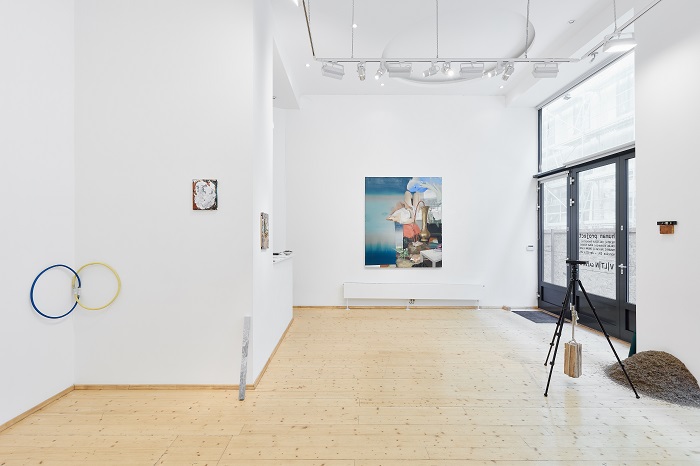
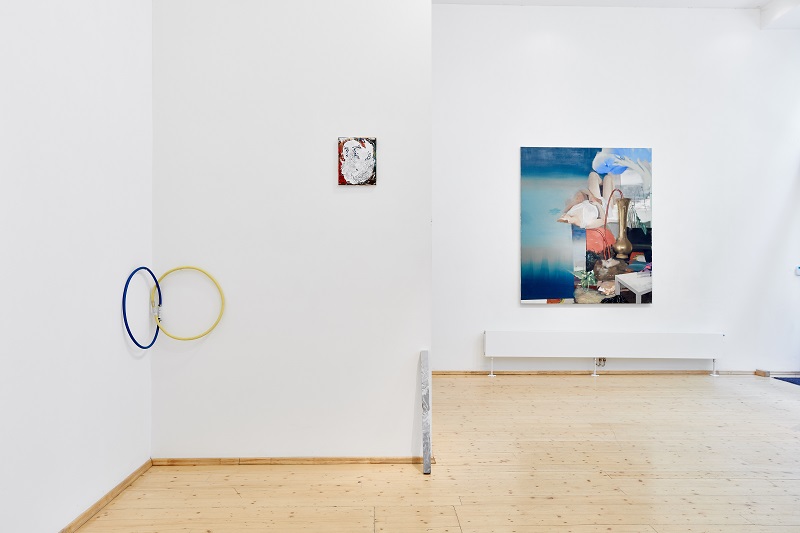
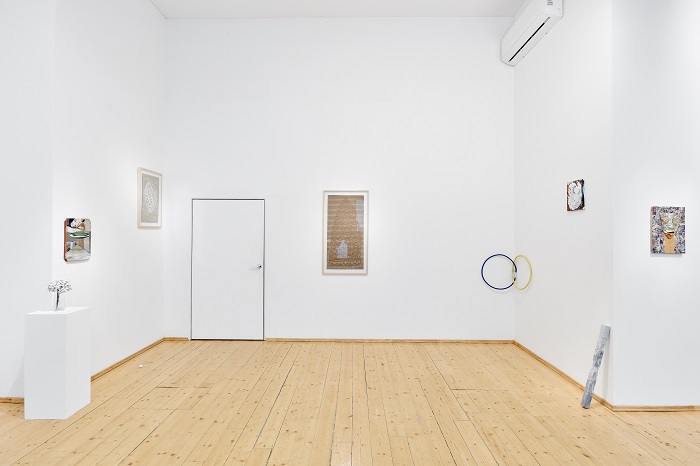
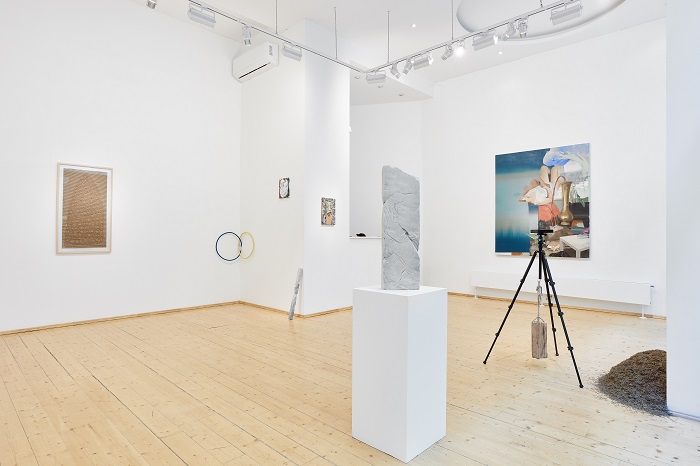
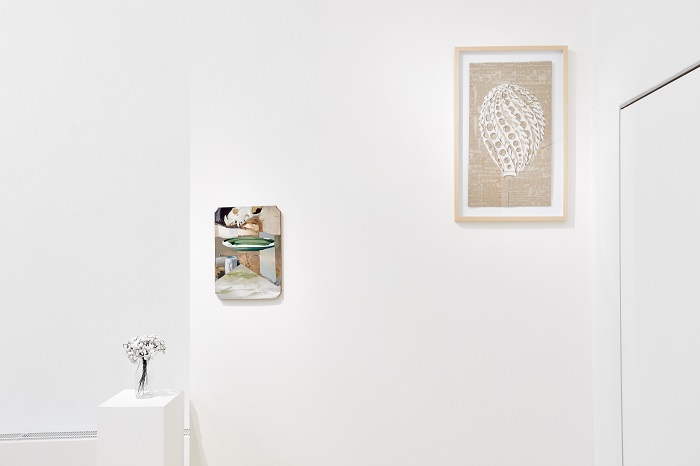
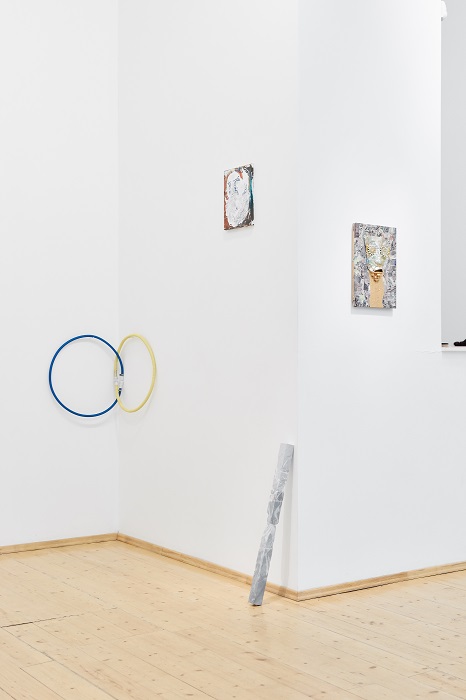
The exhibitors of the human project - BaJoTa, Patricia KALICZKA, Viktoria KALAN, Marcell
MURANYI, Elöd ORBAN, and Janos KOSA - resolutely explore that area where
traditional genres are re-considered.
The term post-internet
was invented and first used in 2006 by conceptual artist and curator Marisa
OLSON (1977, DE) for the artistic attitude of the early 21st century
following the postmodern period.
The internet World Wide Web and the digitization
radically changed our everyday life. It transformed our culture, our economy
and work; it created a completely new situation for our communicational habits.
Being the first informational platform, it speeded up its acquisition and
sharing to an unprecedented extent. The internet became the platform for the
creation of our real, or virtual identity.
Nevertheless, the digital revolution inevitably
affected the artistic practice. Our claim to the continuously operating online
world made it possible to create a new, pseudo-art world. Thus, the traditional
artistic canon expanded; according to other, more pessimistic understandings,
it led to the disappearance of classical art genres and to the
significant loss of their importance. The online platform gave a new meaning to
the time invested into creating art, respectively to the afterlife of an artwork.
The possibility of an immediate appearance holds out a promise of an instant
catharsis for the artist that could only be experienced between the walls of a
studio or in the exhibition hall before. Hence, the online community
unconsciously developed new values, even if currently it is not in a relation
with the official canon.
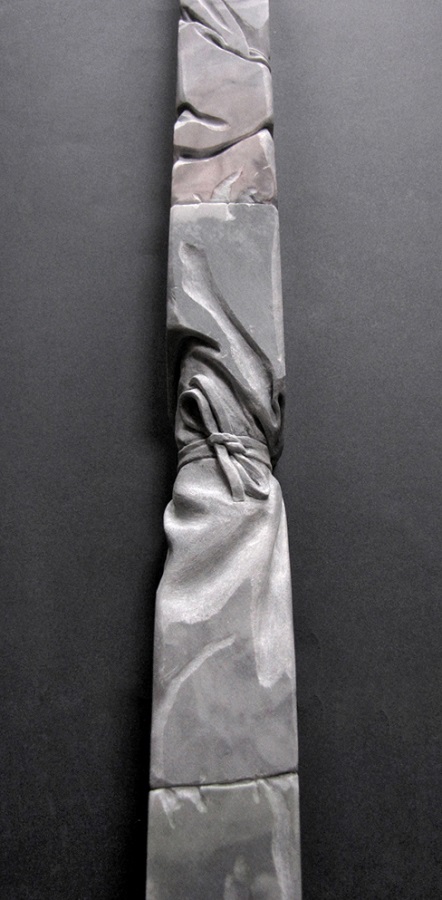
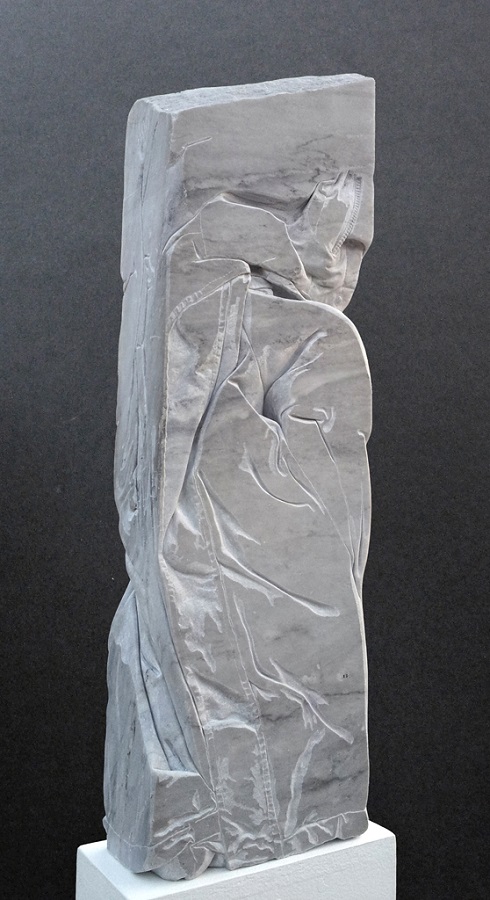
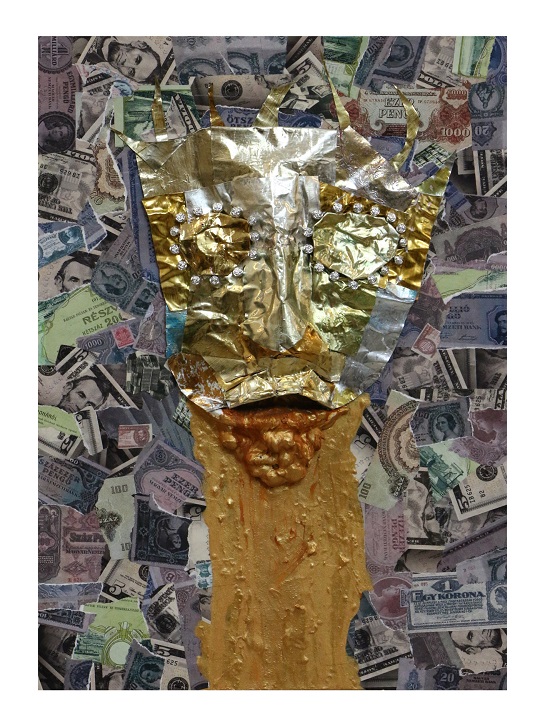
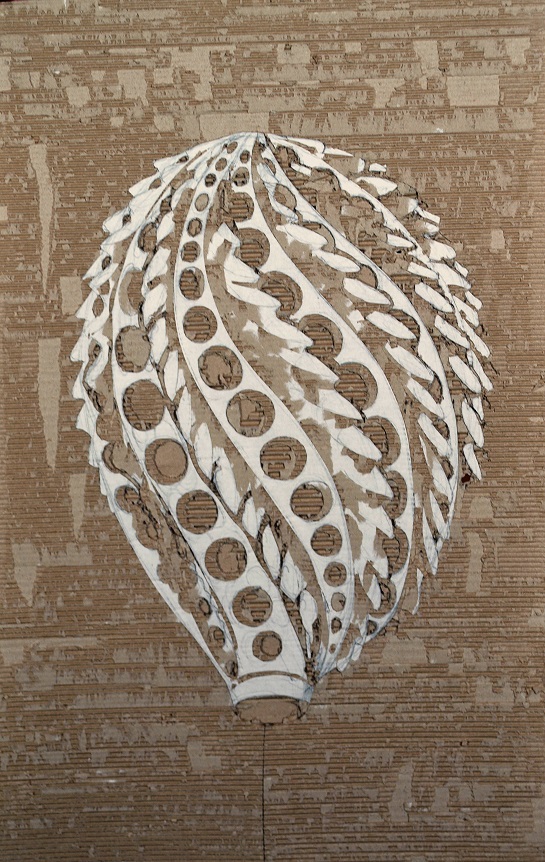
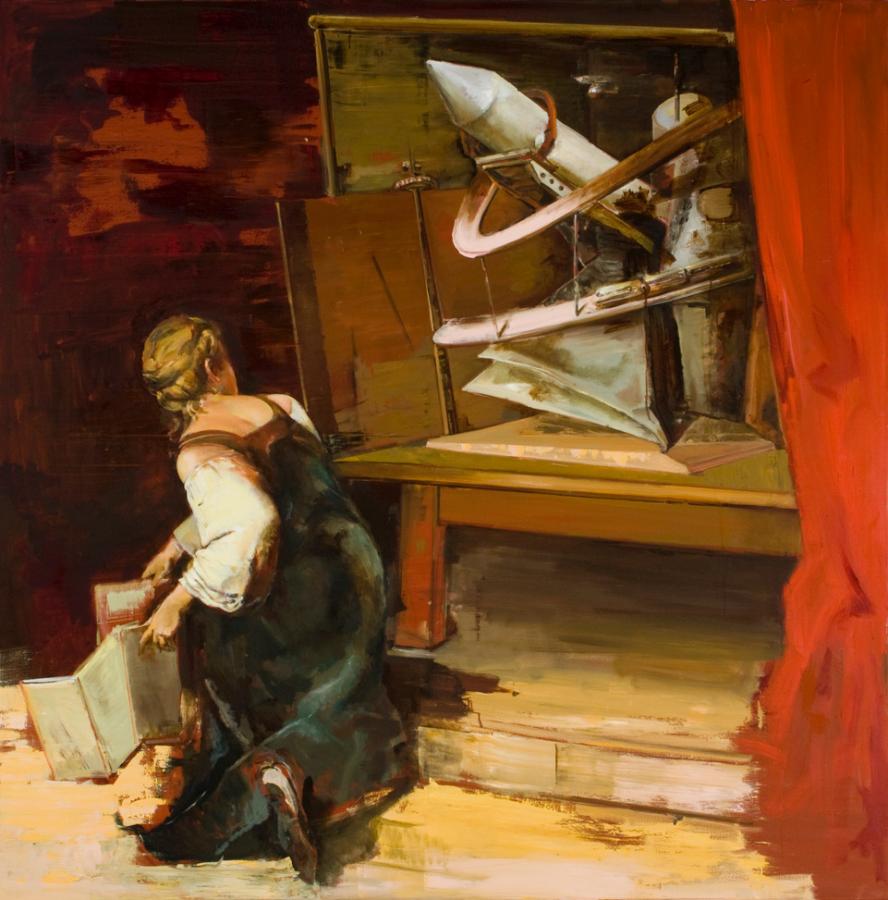
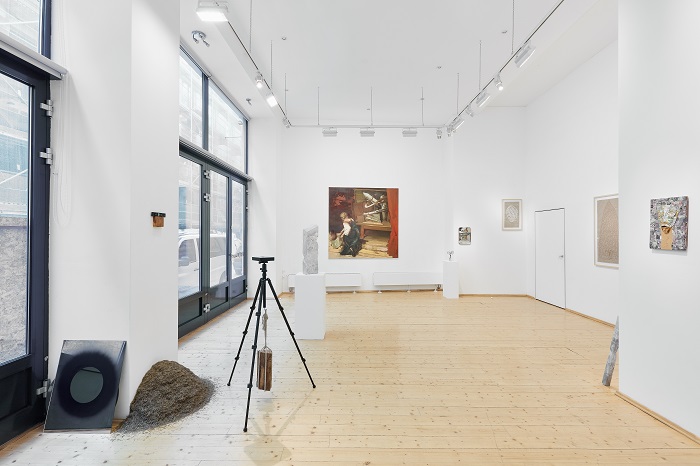
The human project does not intend to qualify the facts mentioned above; the aim is to makes their presence visible. It primarily shows the works of the artists, who belong to the post-internet generation and actively use the internet and the possibilities of the digital platform, yet their medium is tied to traditional art genres. A reminiscence of the exhibition is the Vision Model of János KÓSA, which formulates ambiguous references: while the work is a paraphrase of the Austrian artist Hans Makart's big size Venice pays tribute to Caterina Cornaro (1872-73), it also draws attention to the essential and accepted role of continuity and reference in art, further emphasizing it with the presence of only one master, KÓSA, at our exhibition presenting young artists.