


Paper Solitude
Pál GERBER | Tibor iSKI KOCSIS | Gyula SÁGI | Klára Petra SZABÓ | Kata TRANKER
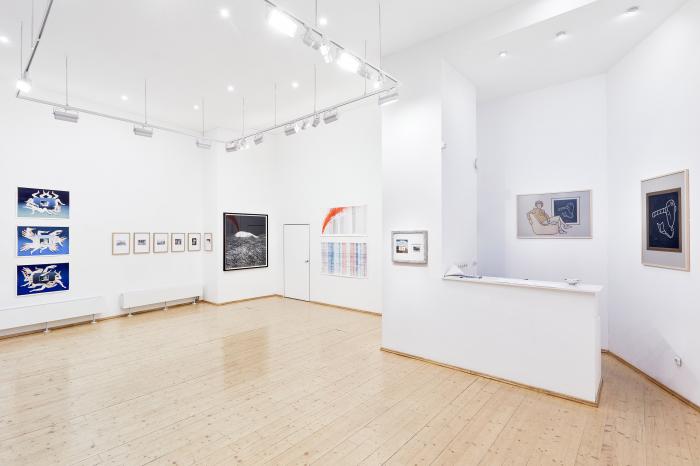
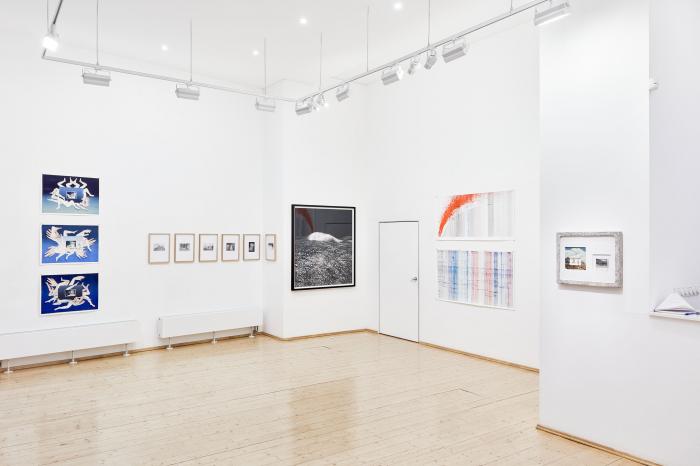
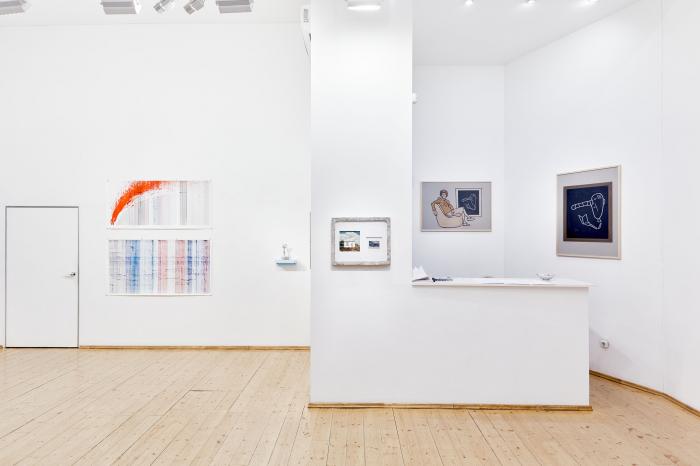
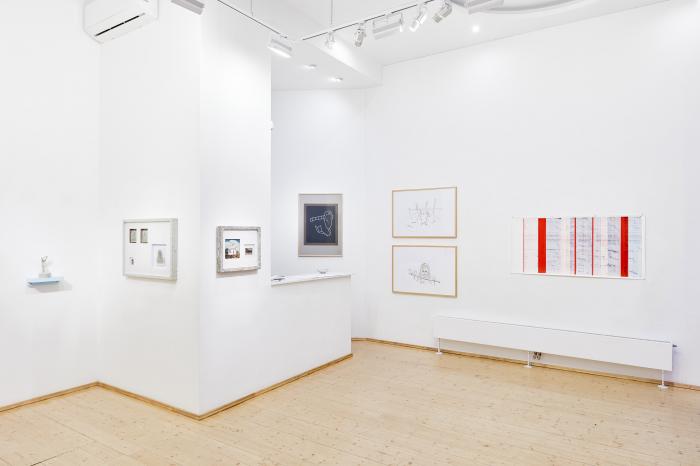
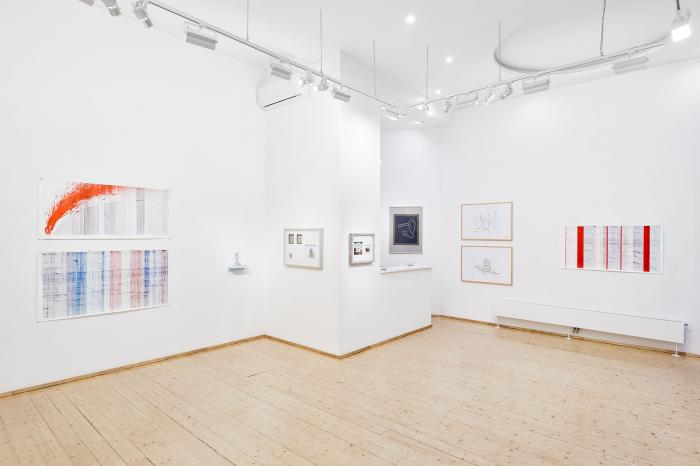
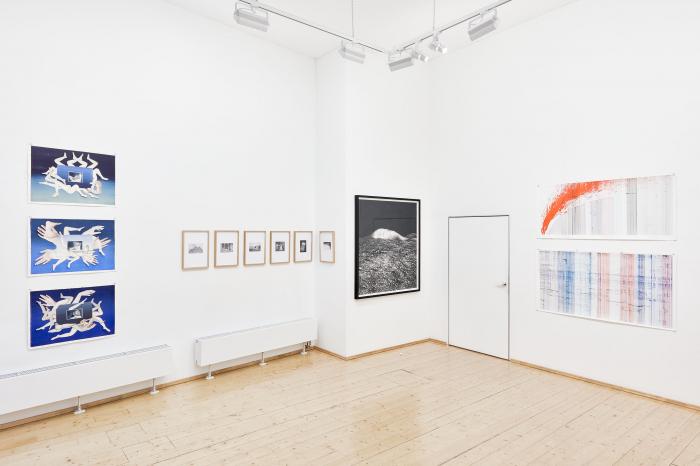
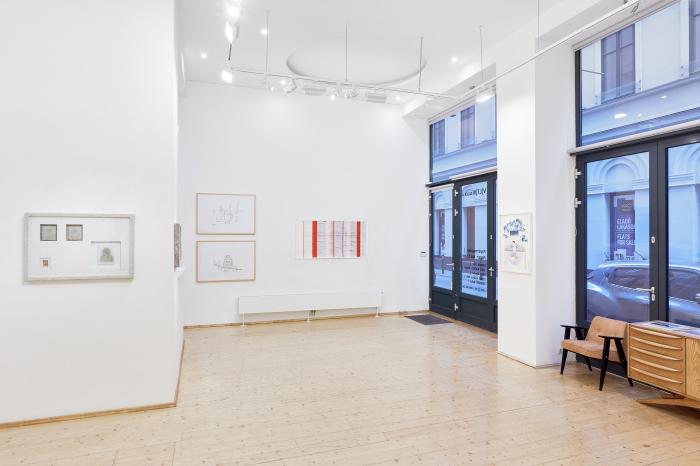
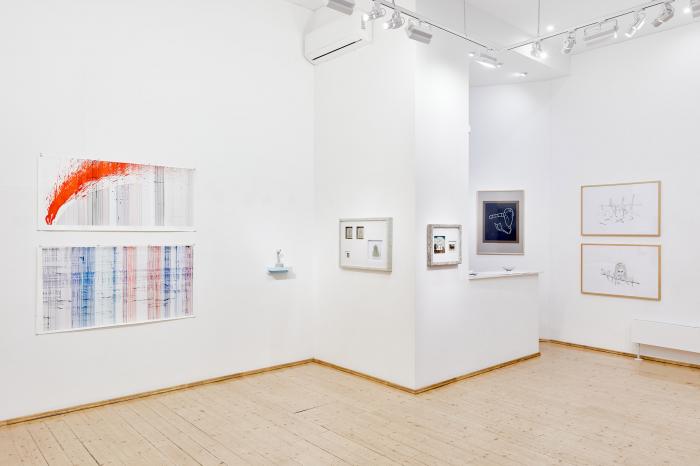
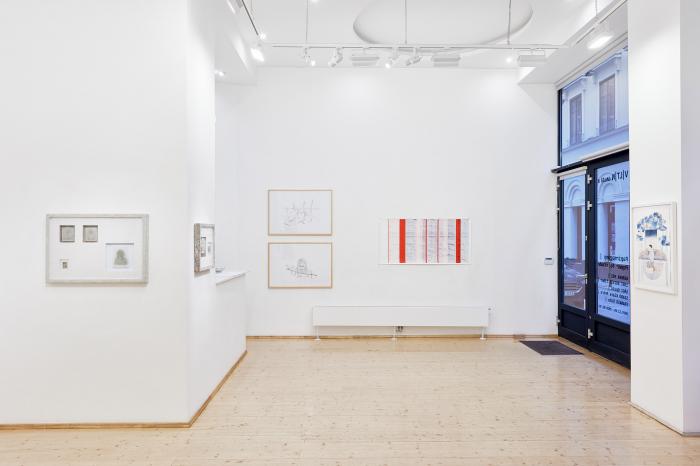
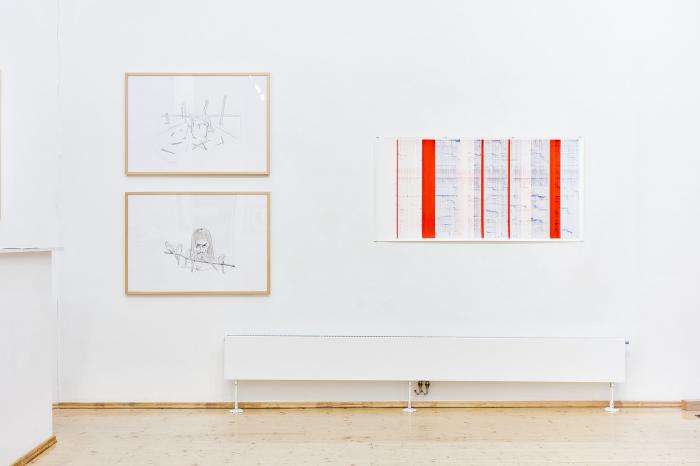
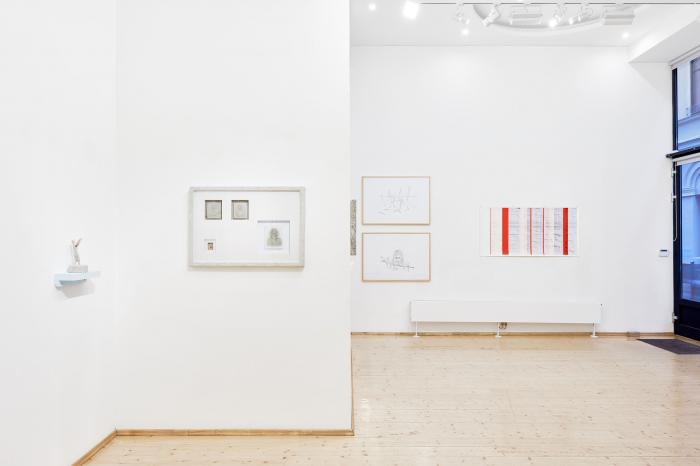
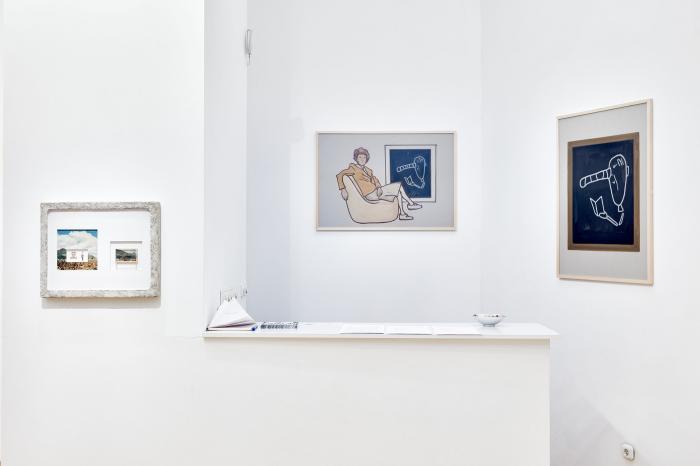
Since its launch, VILTIN Gallery intensively focuses on presenting paper works, let it be unique artistic drawings (such as our large-scale DRAWING.OK exhibition, which's extended version was shown at the MODEM in Debrecen with the title Freehand), installations or any other artistic practice which places drawings in the spotlight. Our recent show, the technical specific Paper Solitude presents paper works exclusively. Charcoal, pencil and ink drawings from Pál Gerber, Tiboriski Kocsis and Gyula Ságiin a traditional sense, aquarelle paintings from Klára Petra Szabó and mixed media works from Kata Tranker.
Practice of fine art is a lonesome one, the artist creates in reclusion in his studio. Although in reality, we cannot talk about pure solitude in a psychological sense, because the work of the artist interacts with the spectators, therefore his works act as agents, transferring his feelings and ideas. Hence, the word medium, as used in the field, bears several connotations. On one hand as an mediator in between the artists and his audience, which often can be observed in a metaphysical context, namely more than an object. On the other hand as a meeting point of the carrier and the matter, merely an object with physical dimensions, that can be touched or smelled. Works on paper in the international canon are often associated with drawings. Drawings are the first noted medium of ideas as well as their visual languages, its form is the line, occasionally the patch. Its tool is the pencil, pen, charcoal, crayon, brush or anything else, which is able to leave the mark of a form. Traditionally its bearer is the paper, but by the second half of the 20thCentury the wall could also be it or any other physical surface. Even so the exhibition space, the public space or it's air in the case of installation drawings. The artworks shown at the exhibition share a self-reflective attitude, which contemplates the artist?s life, artworks - from the studio to the museum - as well as provides characteristic standpoints to the current situation of the cultural self-identity.
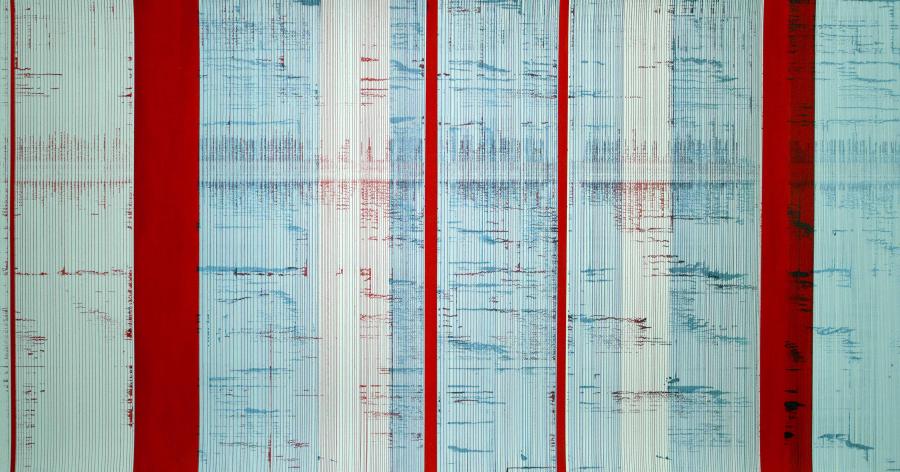
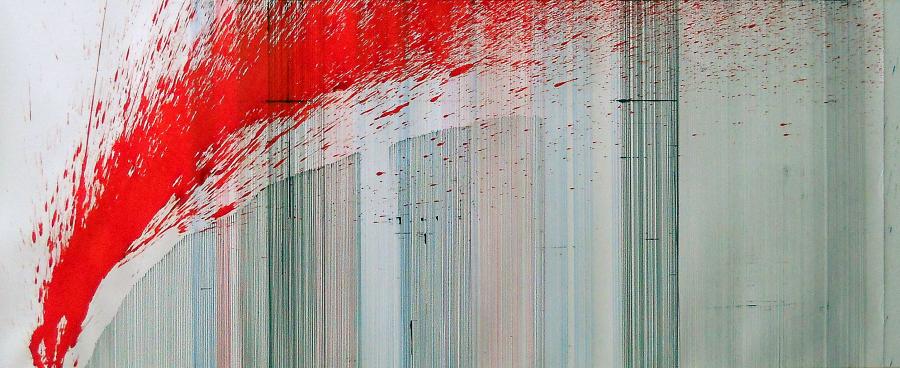
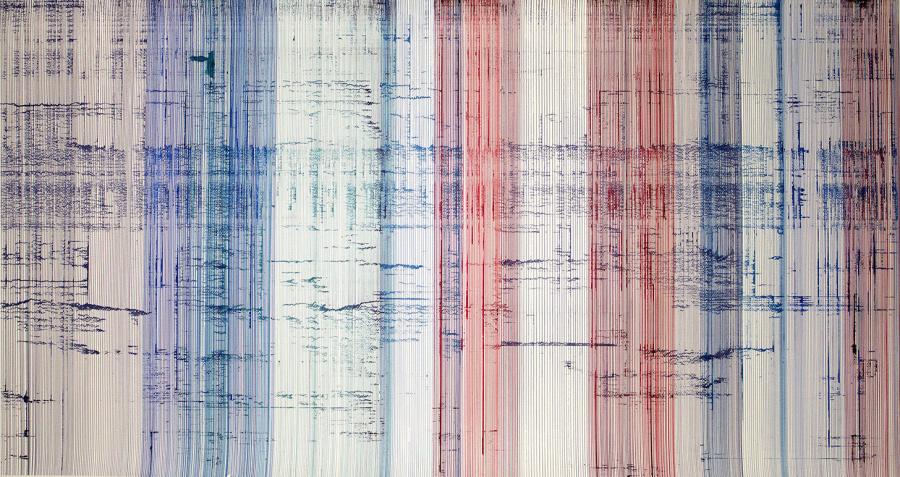
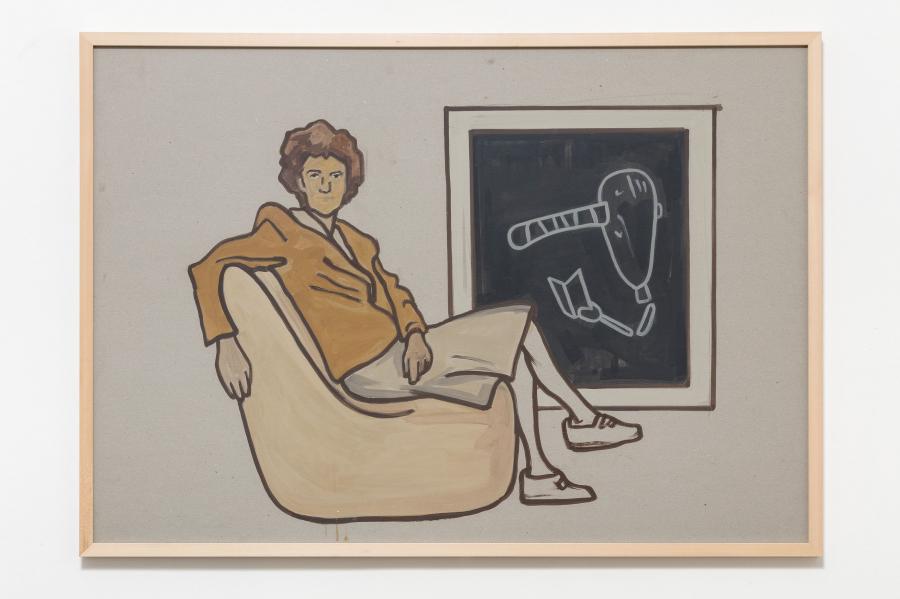
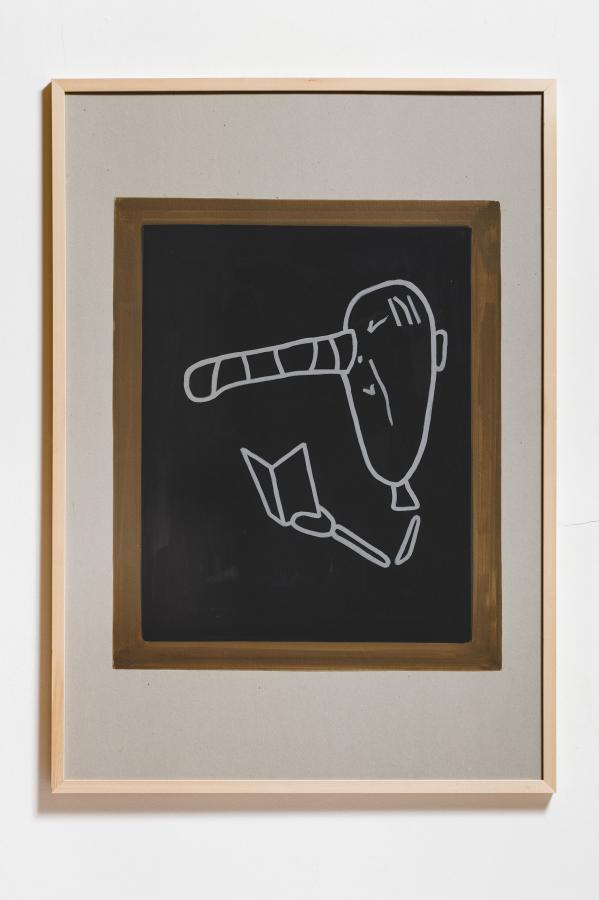
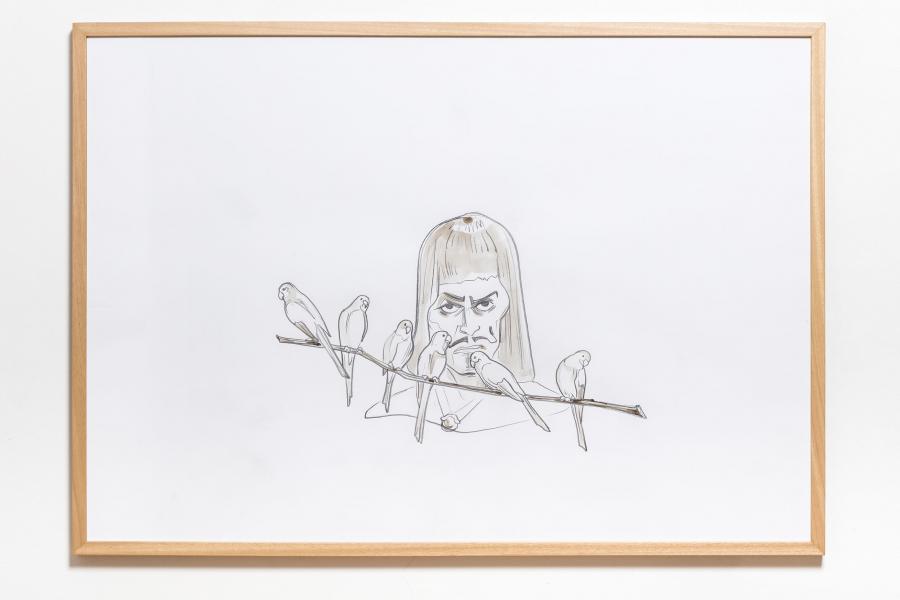
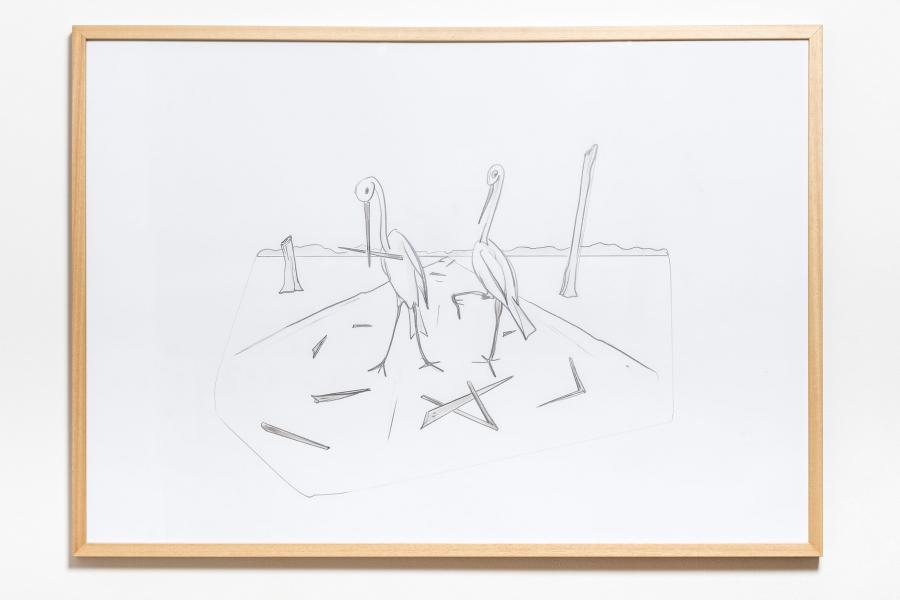
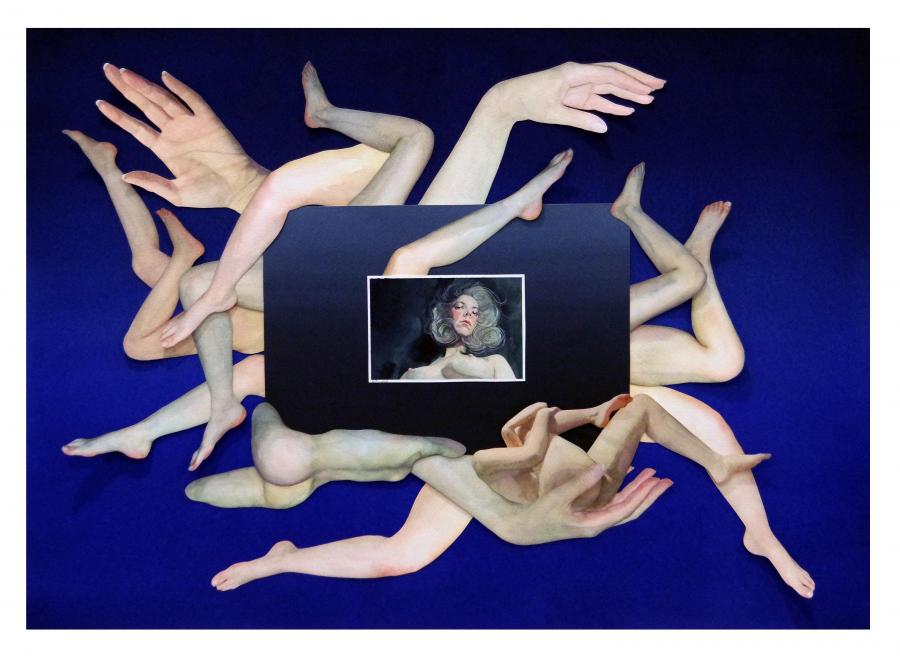
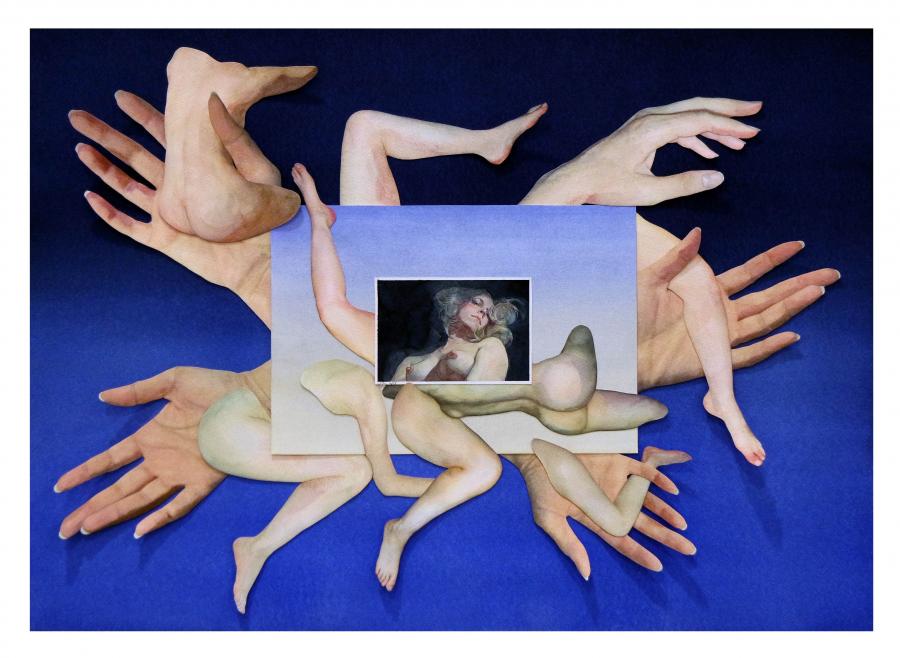
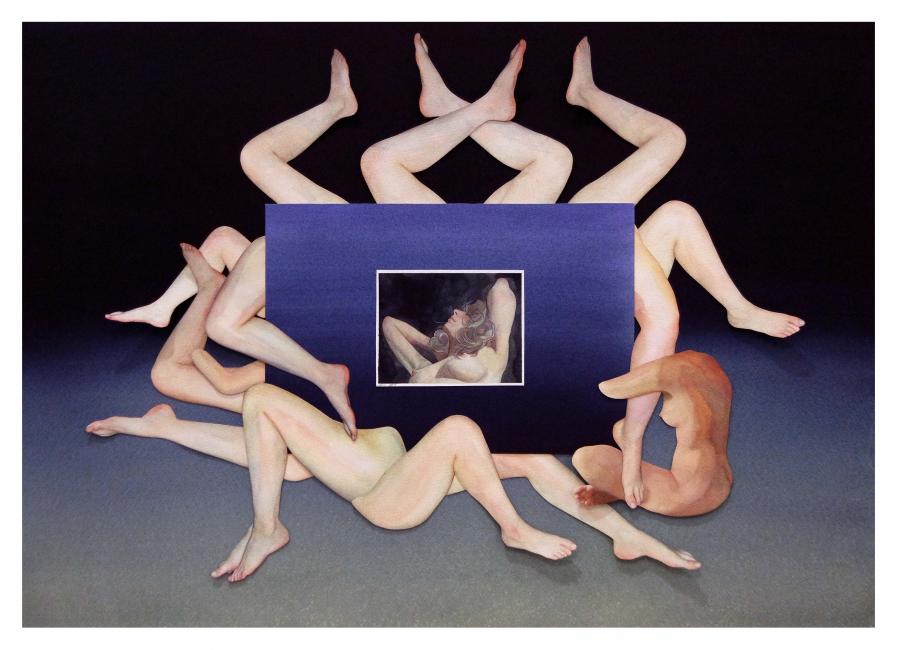
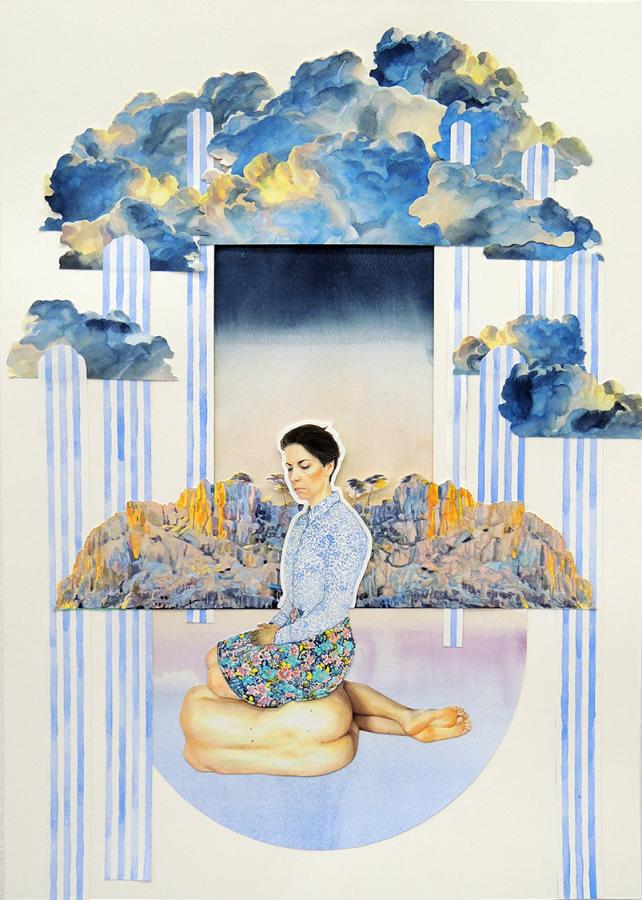
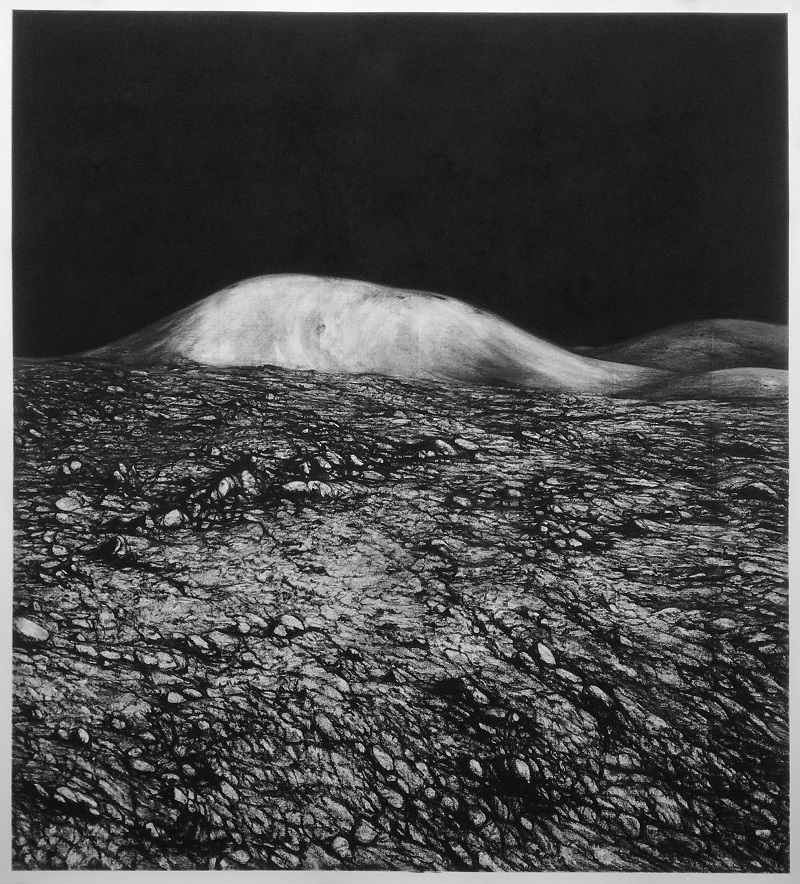
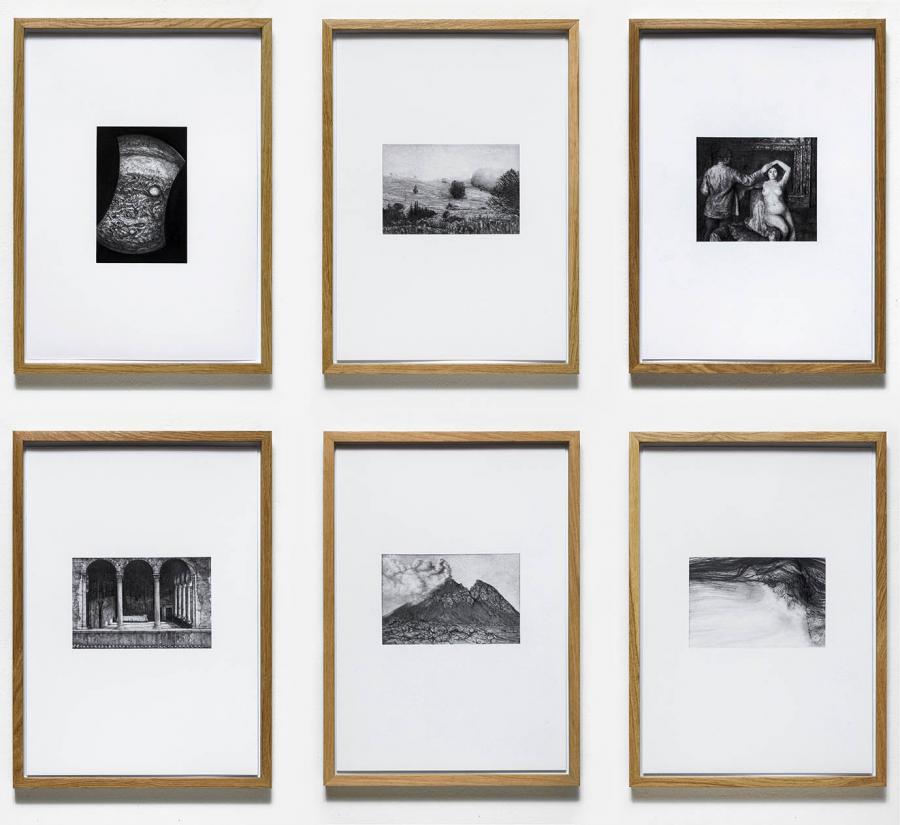
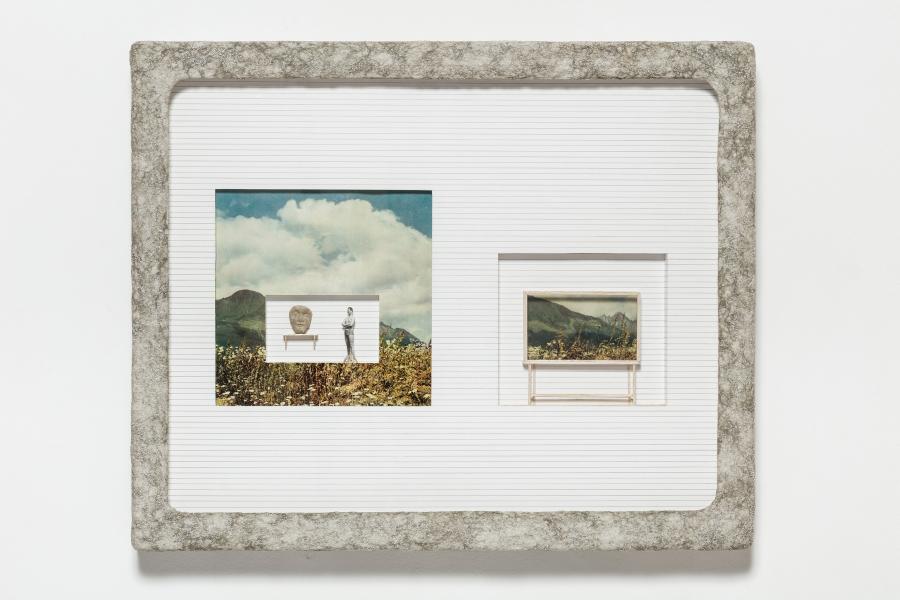
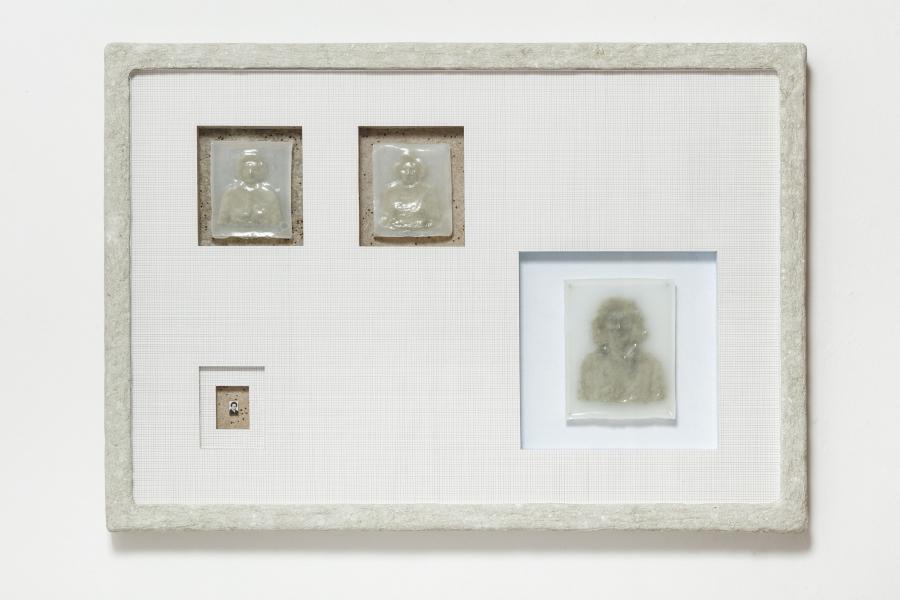
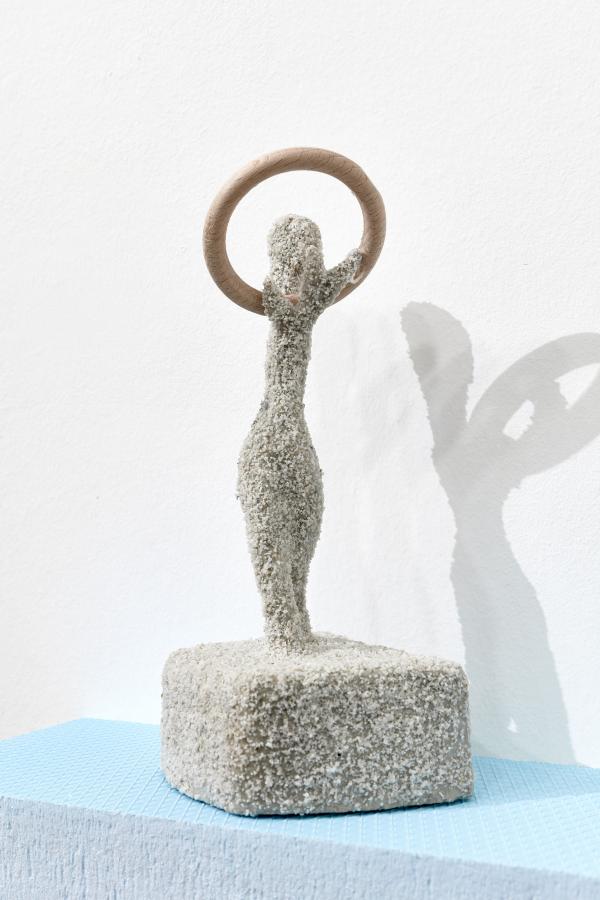
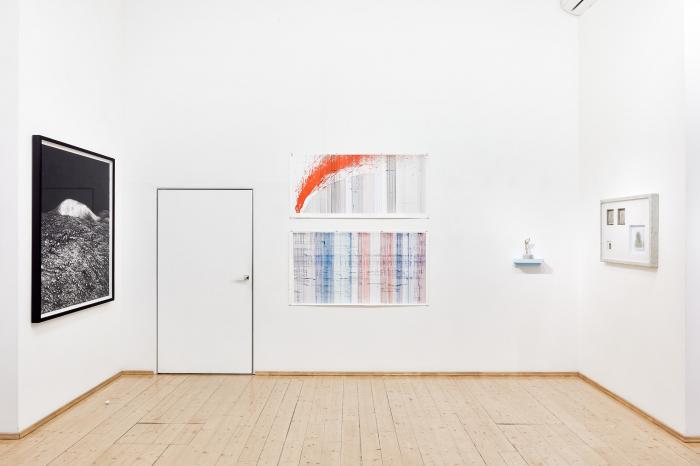
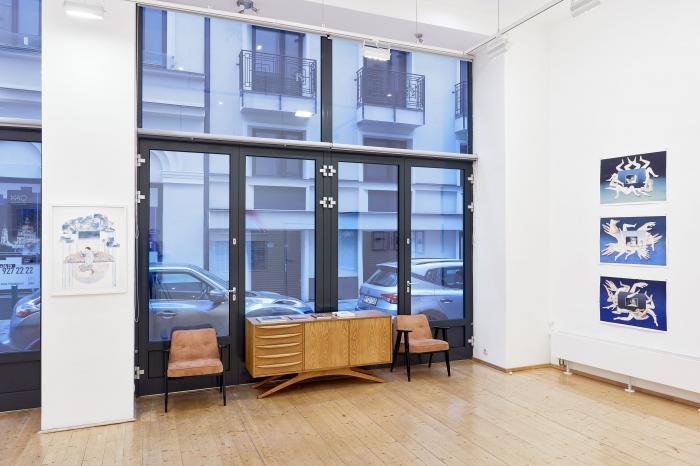
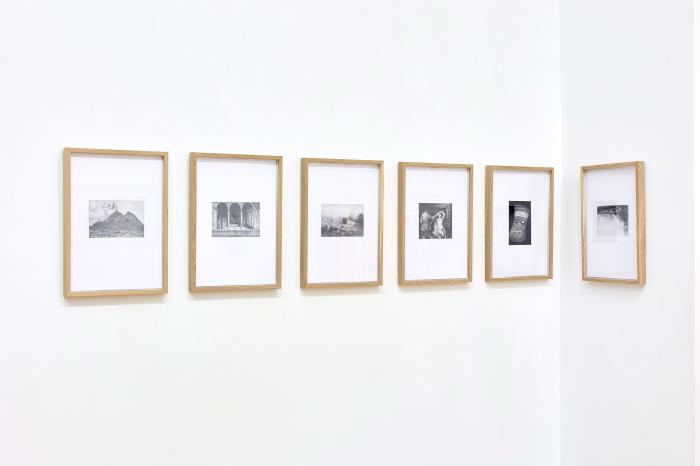
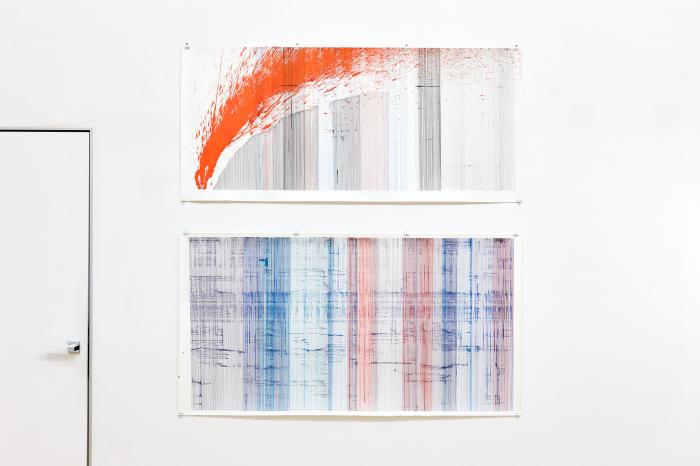
Pál GERBER (1956) with his drawings and acrylic on cardboard works reacts with humour and insight to the art worlds dissonant situations and to the artists status in this scene. While his work, entitled Storks littering with their beaks, offers a distorting mirror to our self-destructing society. Tibor iSKI KOCSIS (1972) reveals the fragility of our lives' and cultures' complexity and seeming balance with his work, fragile, which is a six piece small scale series of drawings. On the icon like images, he creates a broad depiction of man/mankind and our culture. Taking in consideration that our defined or undefined natural and artificial environment is as much part of our lives as our past, which is revealed to us throughout his subjective examples. Gyula SÁGI (1987) who hovers on the borderline of gestural painting and the analytic geometric abstraction shows his works at VILTIN Gallery for the first time. He deals with depicting the physical dimensions and passage of time along the lines of algorithms. The temporality of time is a reoccurring element on the works of Kata TRANKER (1989) too. The reinterpretation of the fossil as an agent for passage of time is in the focus of her scientific and museological examination. Mathematics, the social sciences - the parallels between the sciences and arts determine her work, which come to life in the medium of images, objects and installations. Klára Petra SZABÓ (1981) combines the sensitive medium of aquarelle with virtual meaning. Her works are narrative aquarelles, which are rich in detail, as well as installations, animations consisting of merely aquarelles. Her choice of topics, with a subjective tone, steps beyond a self-analytical and self-reflective point, to examine more universal questions regarding the female and the artist's identity.
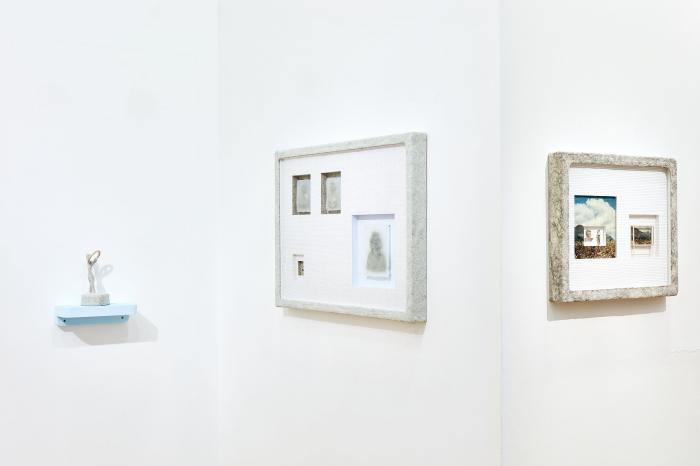
Kata TRANKER