


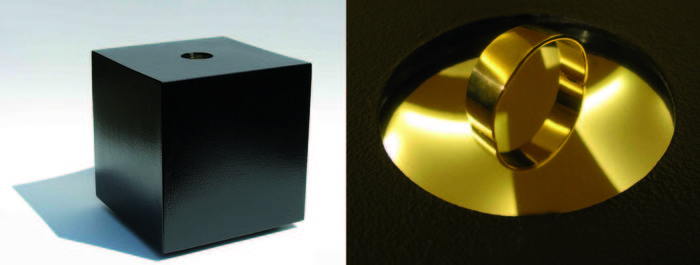
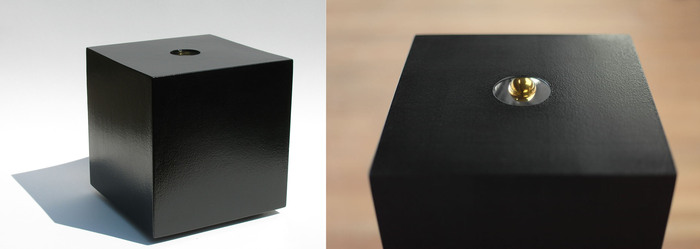
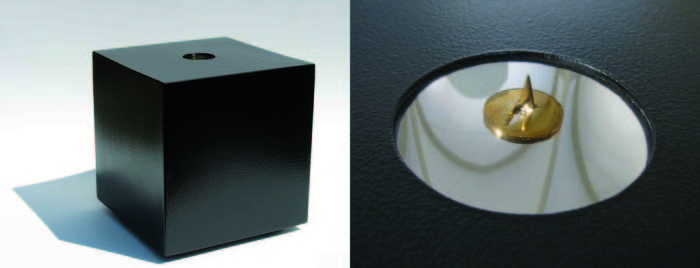
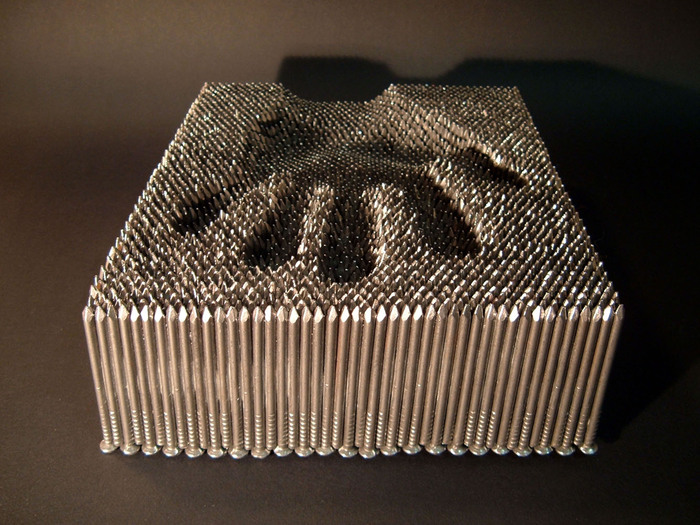
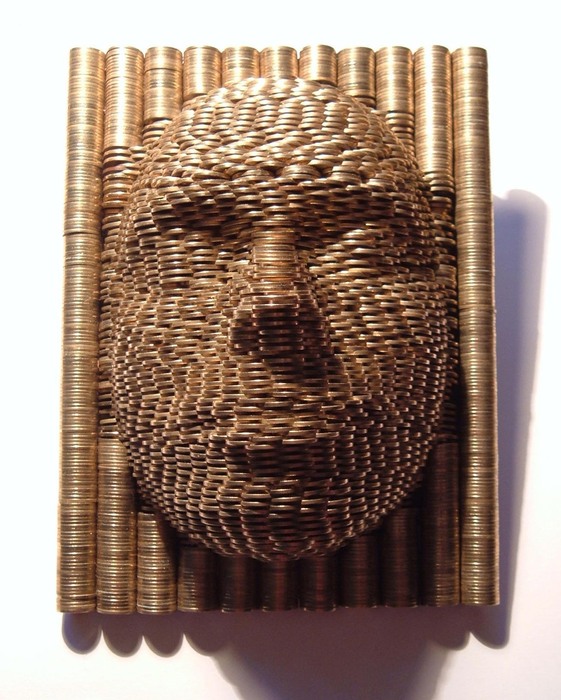
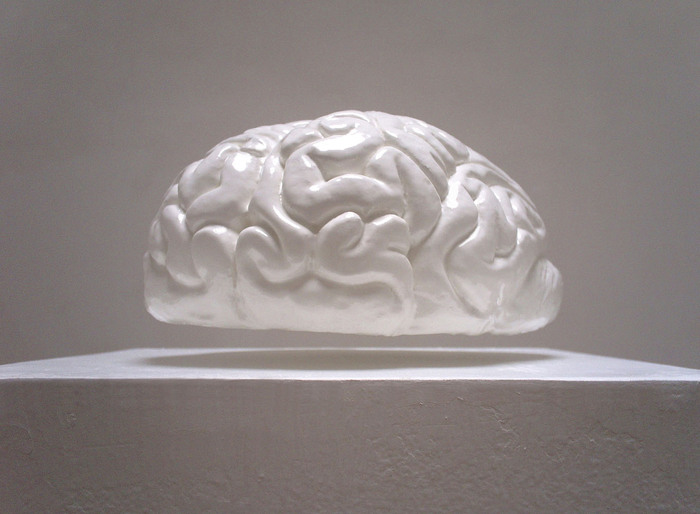
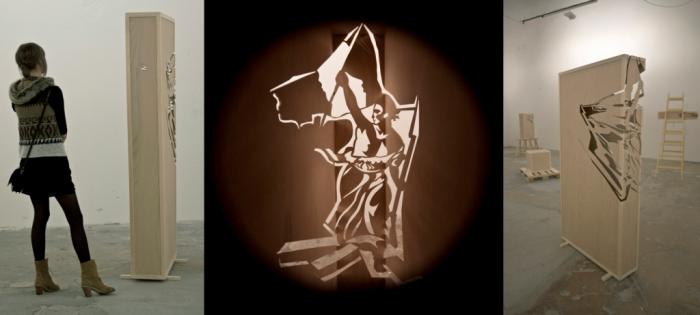
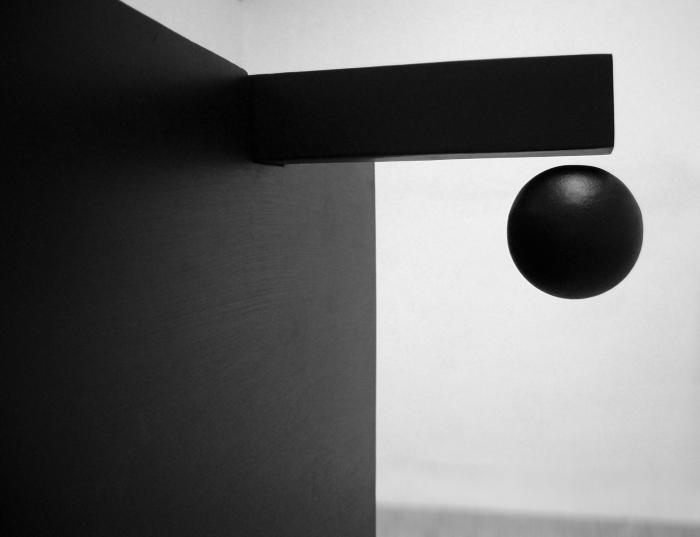
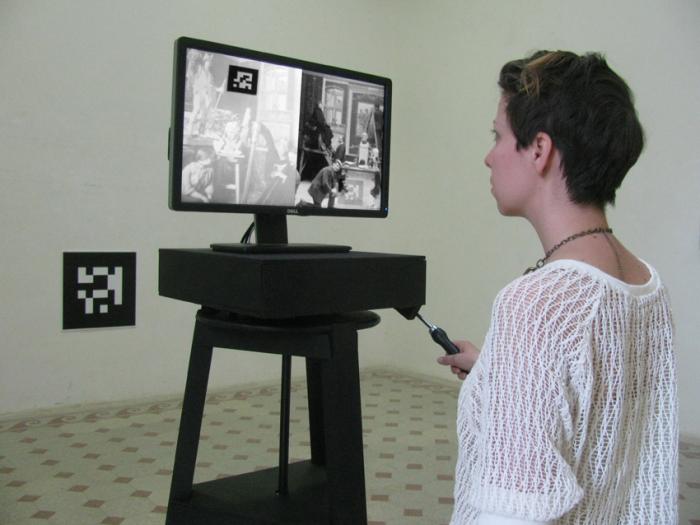
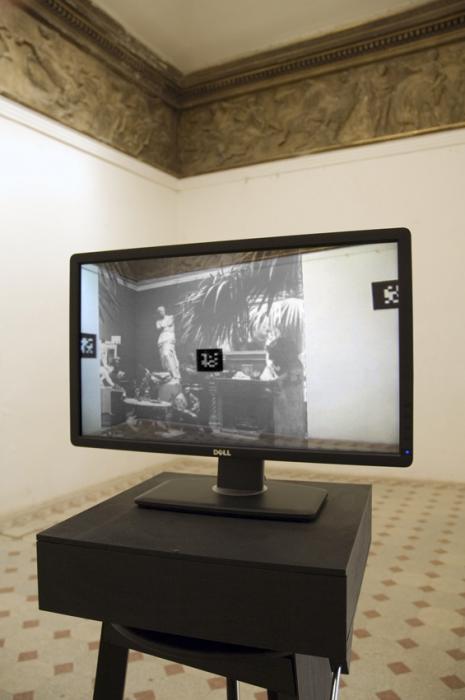
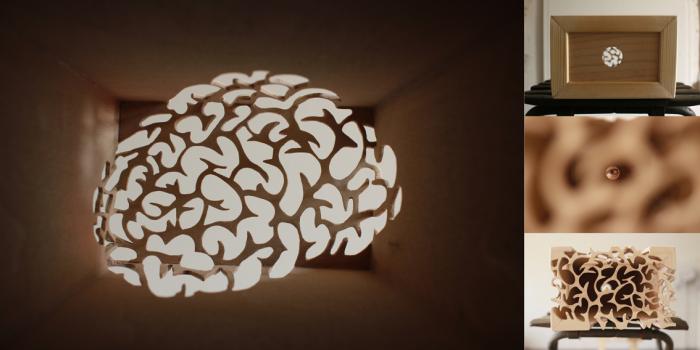
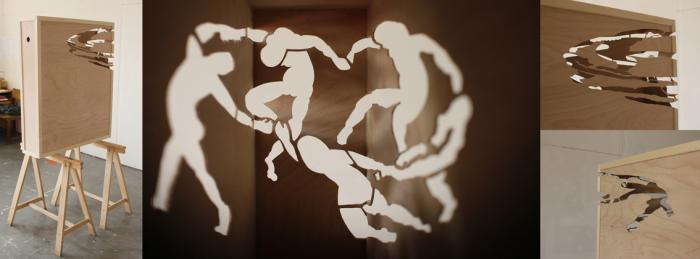
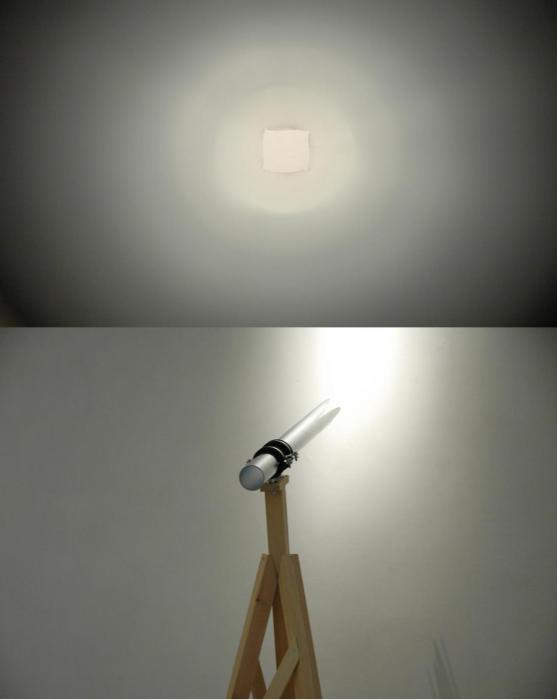
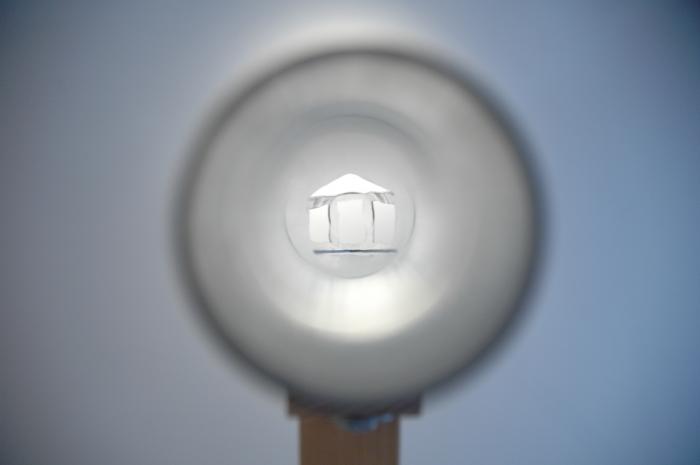
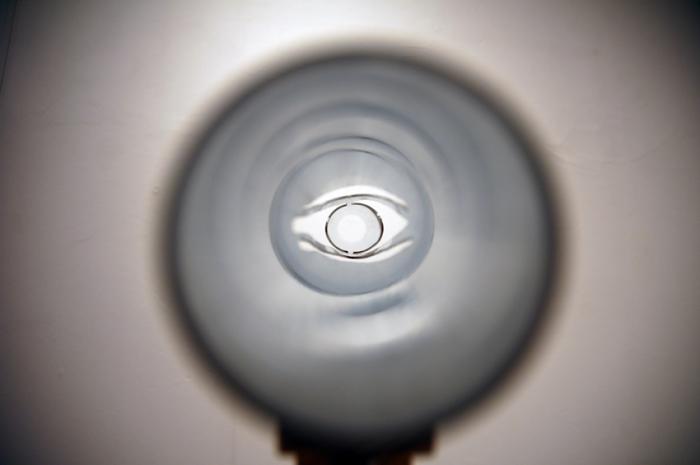
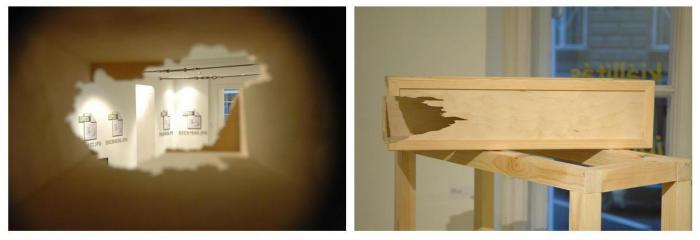
The sculptor, Tamás SZVET has a multi-layered artistic interest. He is enthusiastic with the opportunities offered by the latest technological inventions. He uses these innovations socio-critically, and in an experimental way as well. The convergence of science and art is a central focus in his work. He plays with technological inventions in order to convey his fascination with fields of energy and our place in the world, through levitation, illusion, reality and non-reality and where the thin veil between these lie. Objects and installation he made are rather experimental, but at the same time also conceptual. He always starts with a conceptual question and look for solutions that try to give an answer to art theory questions through the applied techniques. Lengthy art historical and scientific researches precede the creating activity, so the research becomes the basic act in his work. The project called Case Study, poses the question, What people or generally the society expect from the artist? He interviewed people, including artists and curators to collect information and try to draw a map of expectations, concerning art historical references as well. These collected opinions become the basic source of the installation. The installation is using anamorphose technique. The created wooden boxes are similar to those of the museums use to transfer artworks in. The boxes are closed and only a small hole let us observe the content. Different images become visible through the perspective based optical illusion. He created spaces in the boxes by cutting the wood, so thus the image is appear in one angle. The interviews and the opinions are fill them, so the whole installation is the focus of contemporary art questions by exchanging ideas and point of views.

|
The sculptor, Tamás SZVET has a multi-layered artistic interest. He is enthusiastic with the opportunities offered by the latest technological inventions. He uses these innovations socio-critically, and in an experimental way as well. The convergence of science and art is a central focus in his work. He plays with technological inventions in order to convey his fascination with fields of energy and our place in the world, through levitation, illusion, reality and non-reality and where the thin veil between these lie. Objects and installation he made are rather experimental, but at the same time also conceptual. He always starts with a conceptual question and look for solutions that try to give an answer to art theory questions through the applied techniques. Lengthy art historical and scientific researches precede the creating activity, so the research becomes the basic act in his work. The project called Case Study, poses the question, What people or generally the society expect from the artist? He interviewed people, including artists and curators to collect information and try to draw a map of expectations, concerning art historical references as well. These collected opinions become the basic source of the installation. The installation is using anamorphose technique. The created wooden boxes are similar to those of the museums use to transfer artworks in. The boxes are closed and only a small hole let us observe the content. Different images become visible through the perspective based optical illusion. He created spaces in the boxes by cutting the wood, so thus the image is appear in one angle. The interviews and the opinions are fill them, so the whole installation is the focus of contemporary art questions by exchanging ideas and point of views.
|
|
|
|
|
|
1982
| lives and works in Budapest
|
|
|
|
|
|
|
|
|
|
|
|
|
|
|
|
|