


Arcadia | Sára Luca RÓZSA and Kata TRANKER
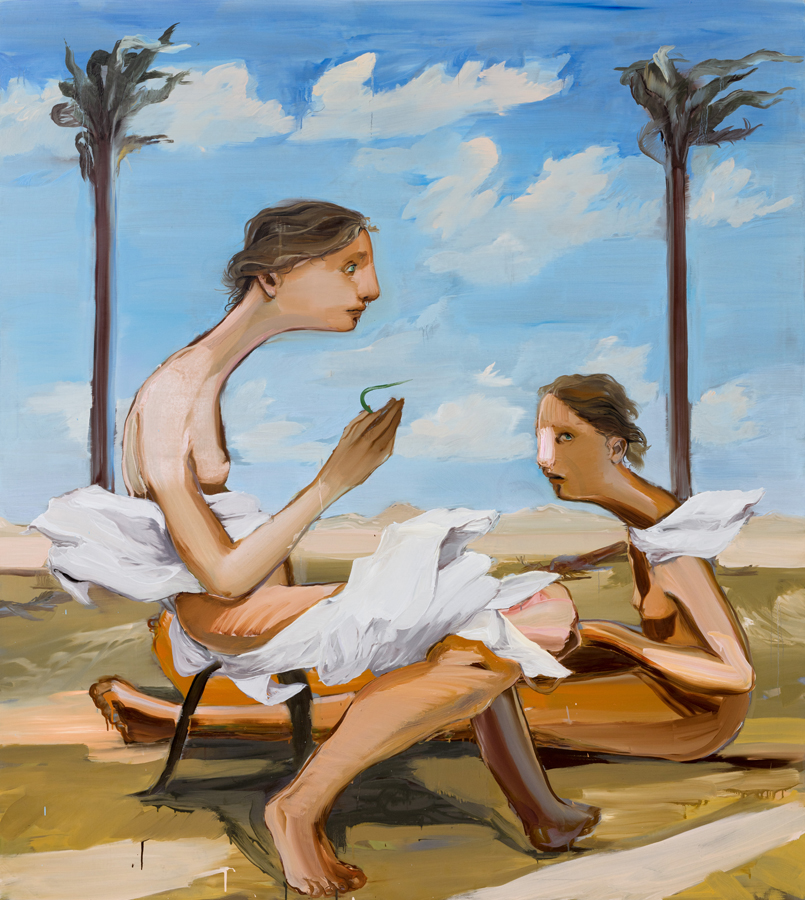
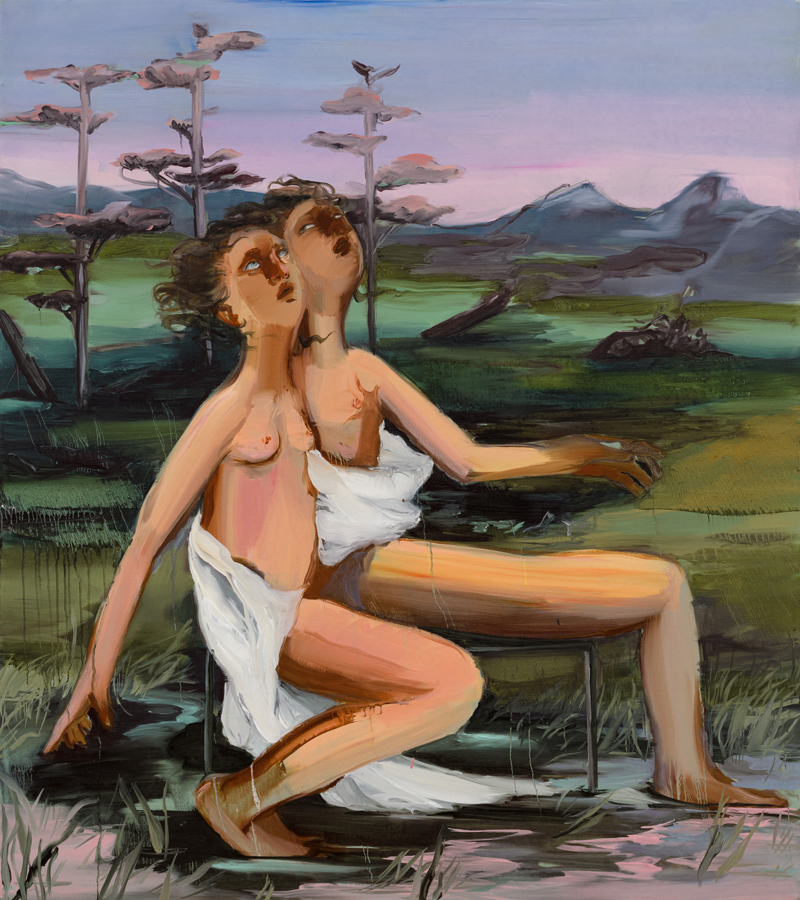
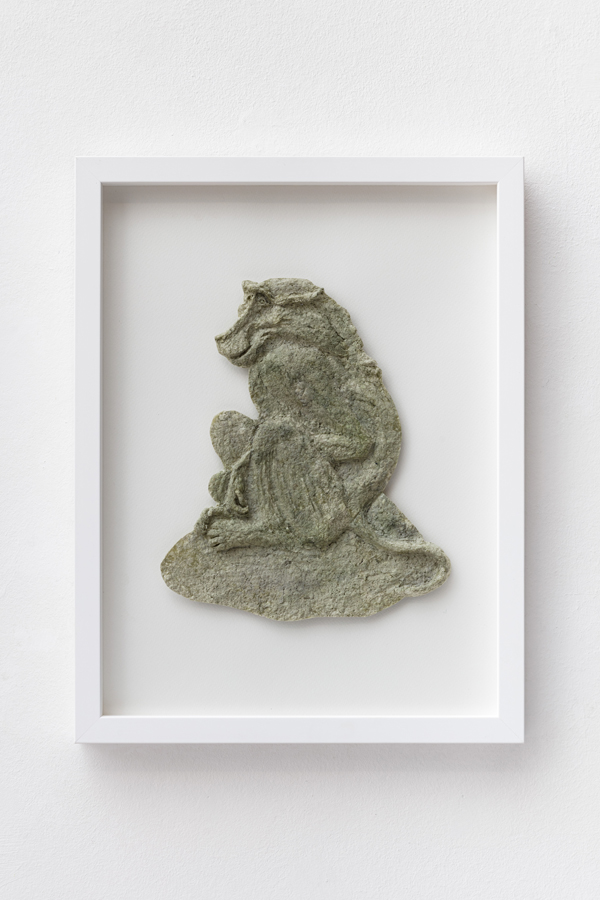
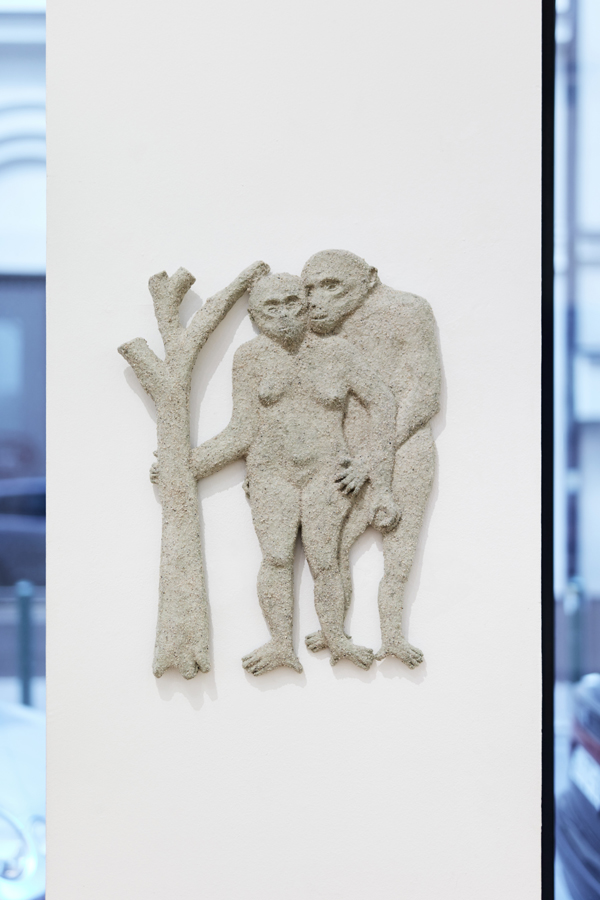
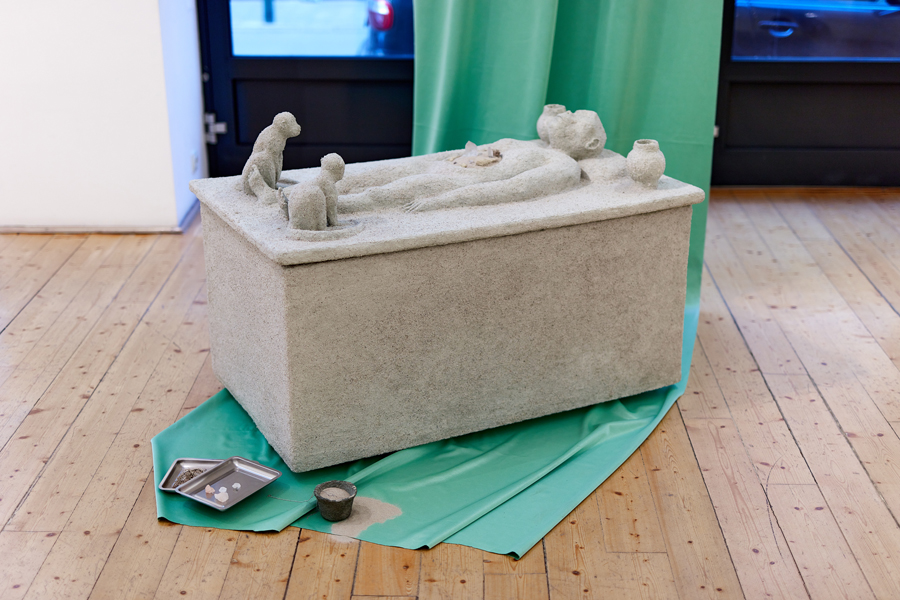
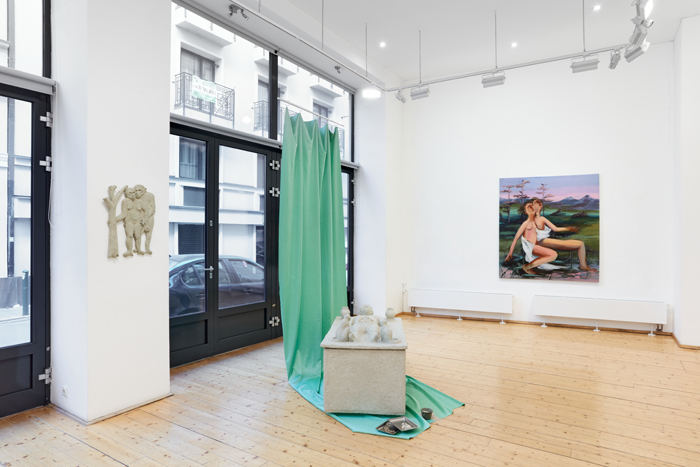
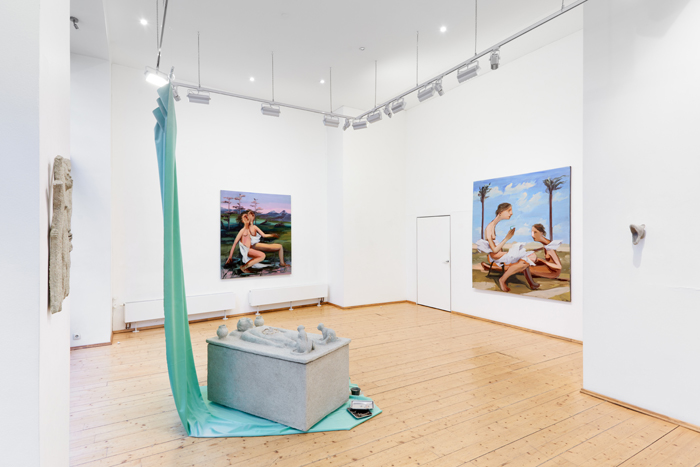
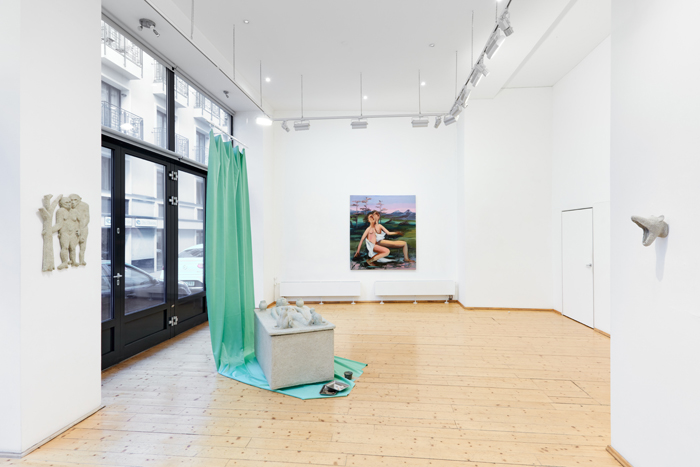
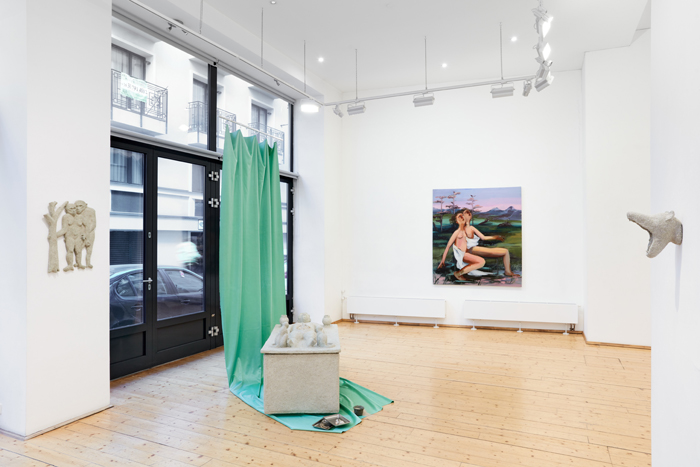
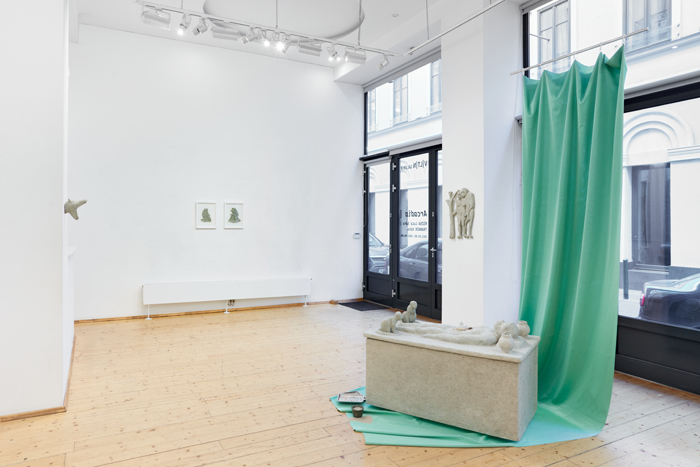
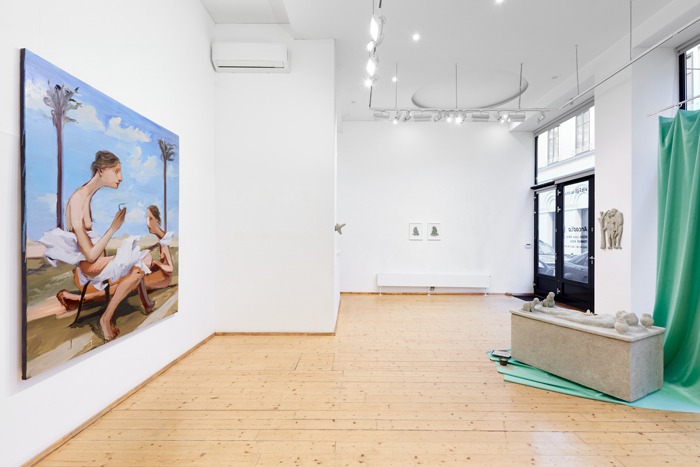
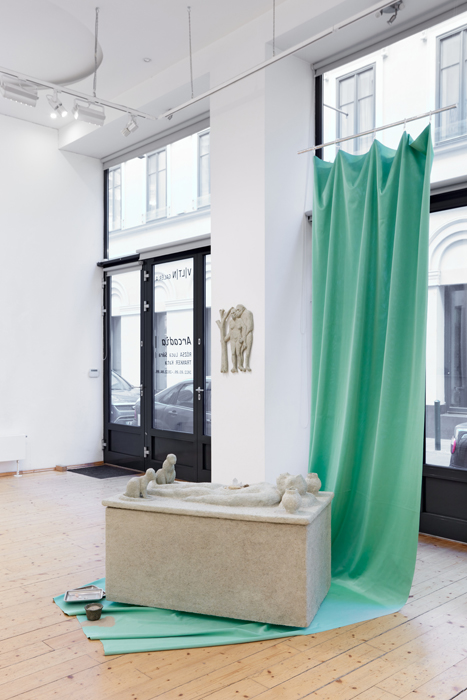
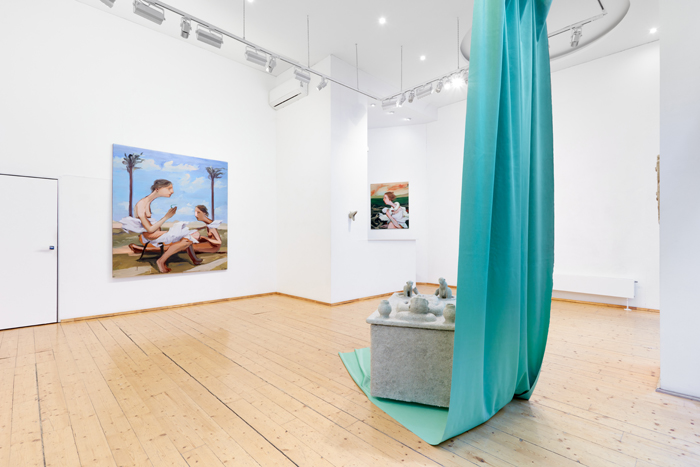
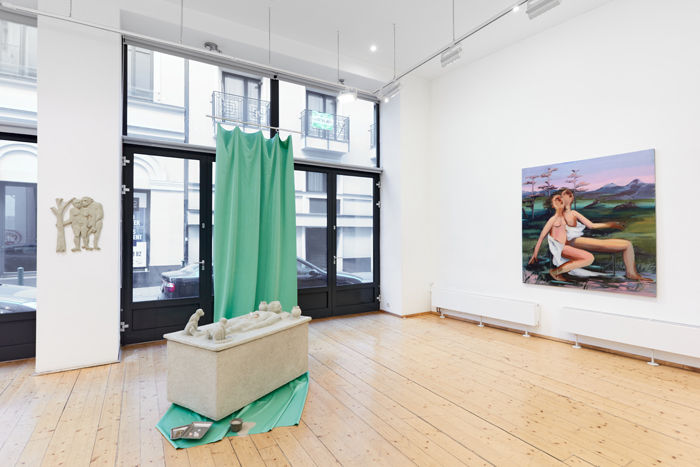
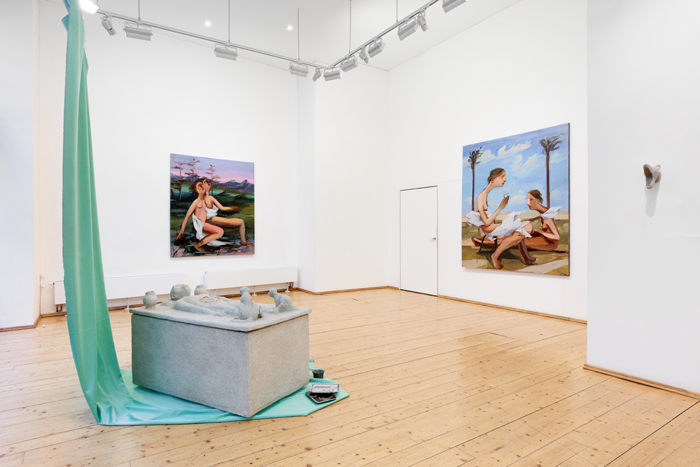
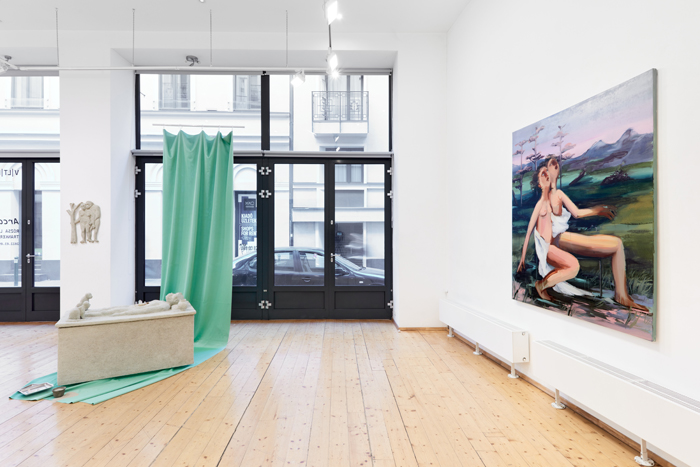
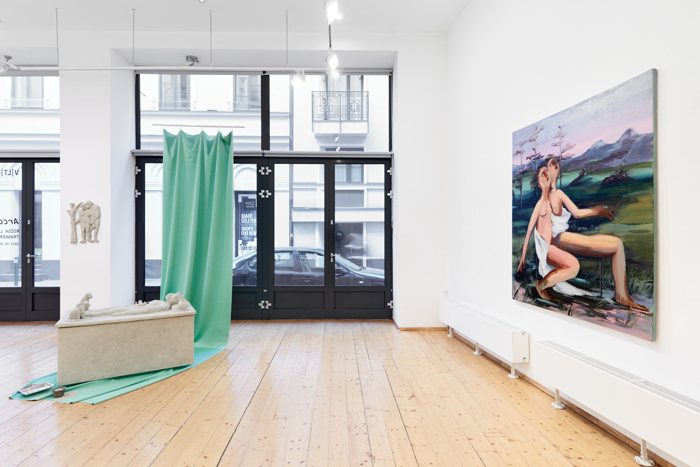
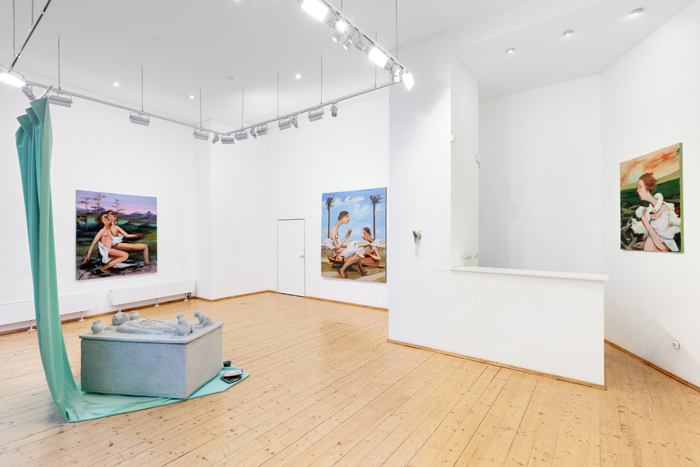
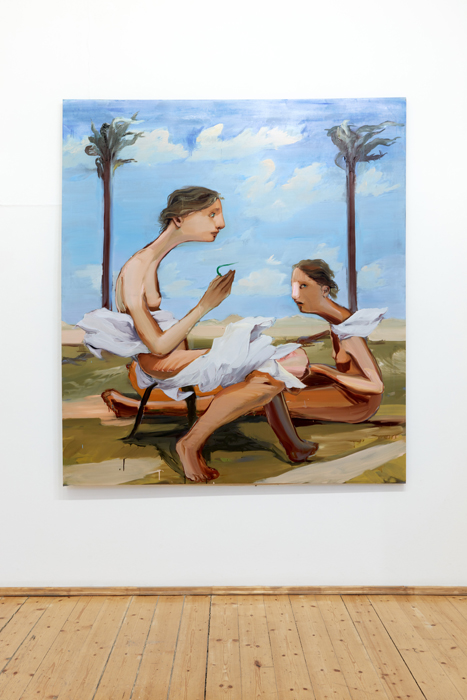
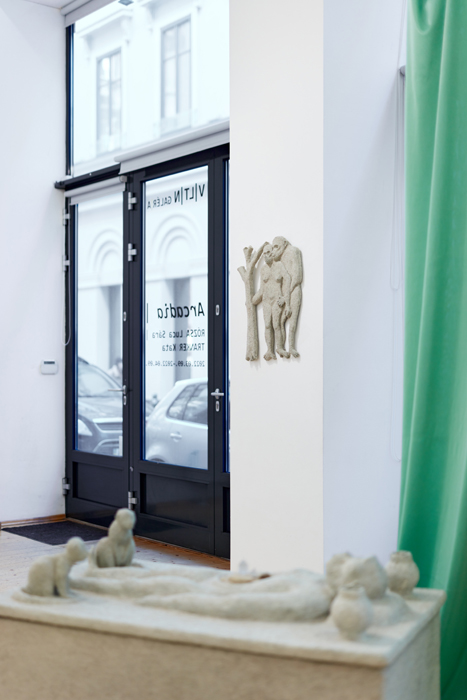
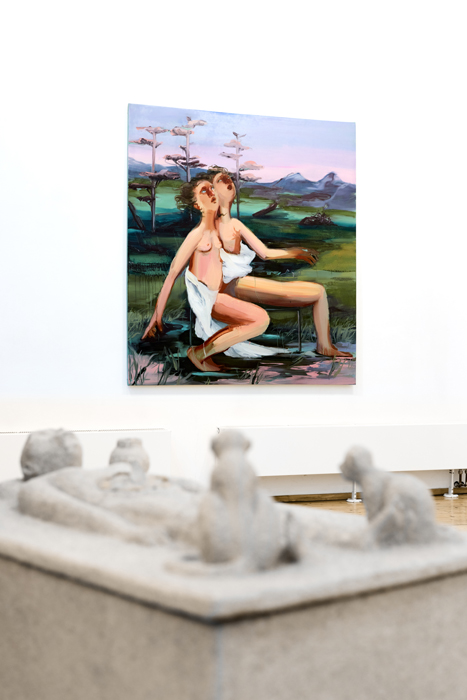
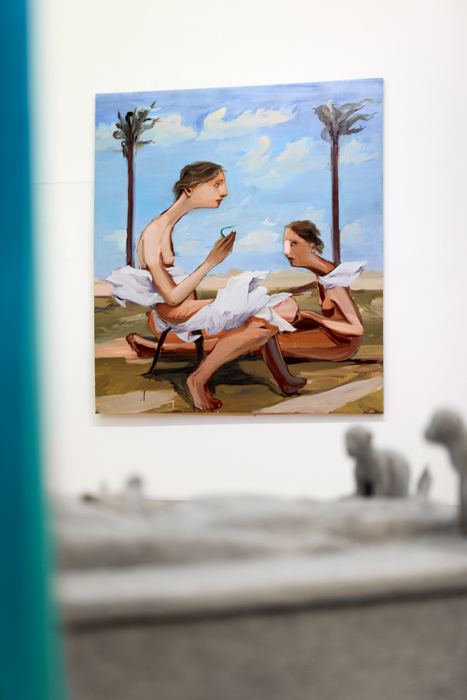
The sarcophagus of a living person, which seats curious monkeys; intertwining, yet lonely bodies as if we saw the people of an unknown story in the gallery space. Freeing our own imagination is necessary to find out more about them. The works of Kata TRANKER and Luca Sára RÓZSA relate to fiction and storytelling in many different levels: they are both building particular personal mythologies, which are improved from exhibition to exhibition. They work with reoccurring elements, known and rethought characters, hence the story is never sealed neither there is only one. We can only put the different pieces together from fragments, which open newer and newer directions.
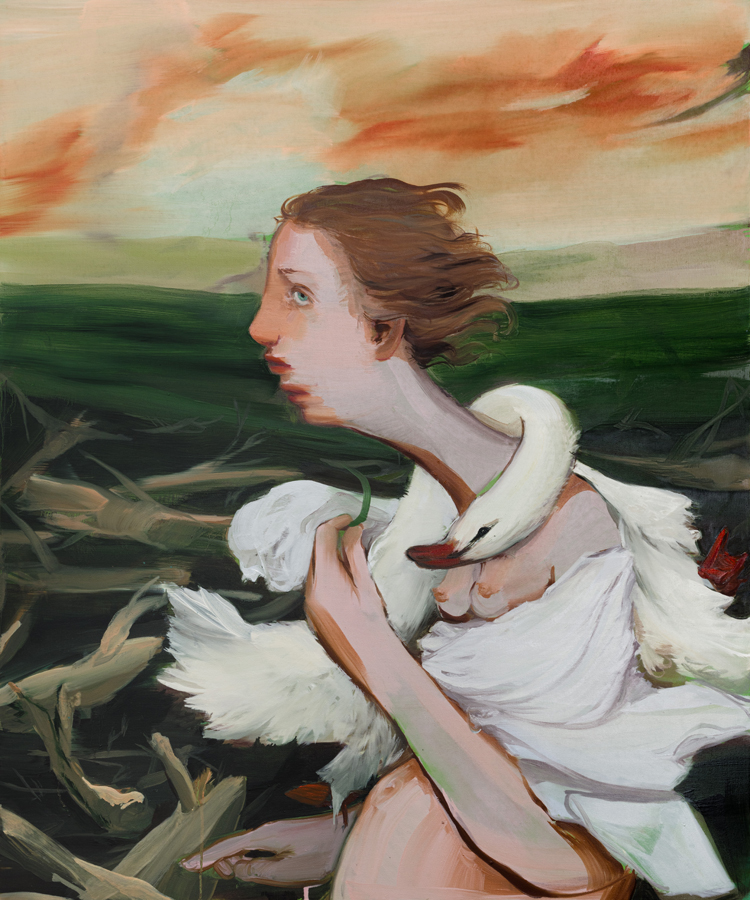
Beside the unambiguous mythological and religious references there are a few parallels with literature in the works of the two artist. The writings of Ali Smith can be connected to the exhibition not only because of the storytelling value of the works or the nature of worldbuilding, but the thematic of the novels and installations, paintings also resonate with each other. The symbolic shape shifting and metamorphism is a recurrent motif in Smith's works, her characters in spite of living in different timelines meet one and other, this way creating fluid and hybrid identities. Twins and doppelgängers, mirroring characters, human and non-human creatures appear, rhyming with the artworks of the exhibition. Just like the author Kata TRANKER and Luca Sára RÓZSA are also interested in the past. By being inspired by it they attempt to draw up a speculative utopistic image of future which results in a timelessness or even in a milieu out of time.
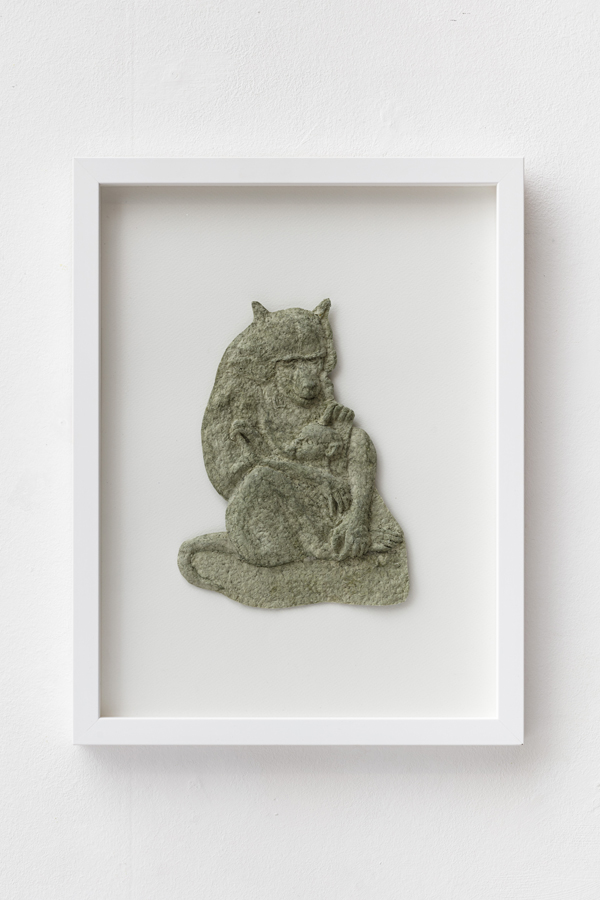
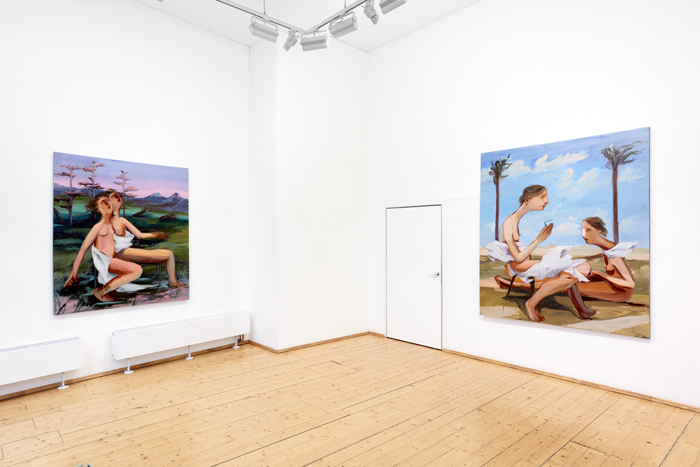
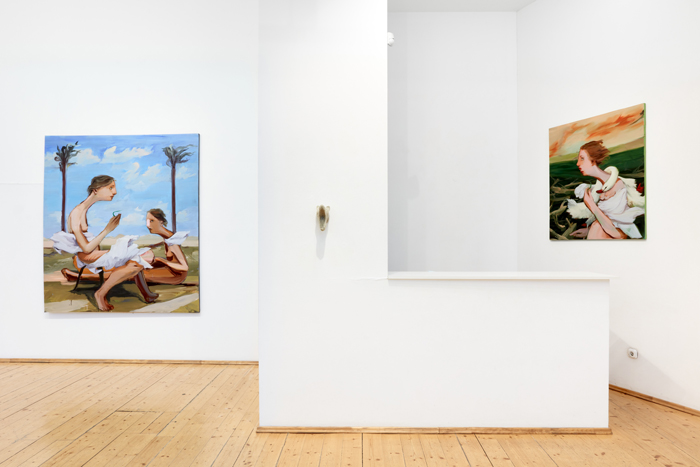
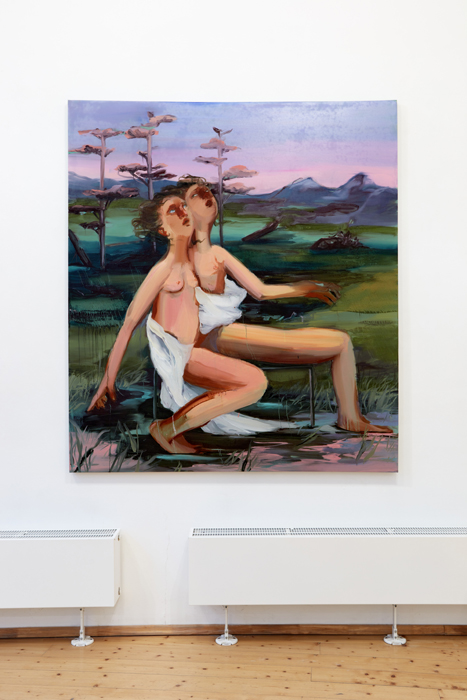
The idea of out of time can enable the two artists to examine the start of 'everything': the issues of evolution and Genesis, scientific researches and religious, sacral questions appear in the works, often emphasizing simultaneous ideologies. In the installation of Kata TRANKER, 'our mutual ancestor' Lucy's fossilized skeleton of pre-humanoid specimen who was found in Ethiopia in the '70s (or in some assumption an extinct ape) appears. The painting of Luca Sára RÓZSA simultaneously reveals the longed after state of Paradise and the reality and loneliness of the expulsion: what and whom we need to face? Meanwhile the sarcophagus, as a burial object and motifs of natural disasters (e.g. flood) appearing on the paintings steering the questions of the exhibition towards passing, yet the will of survival also always appear on the works. The maternal care of animal mothers (monkeys in this case) of Kata TRANKER and the simultaneously fraternal and parental symbiosis flash the possibility of moving forward.
Flóra Gadó
Kata TRANKER