


Luca Sára RÓZSA (1990, Budapest) is one of the most recognised talents of her generation, shaping the landscape of contemporary Hungarian figurative painting.
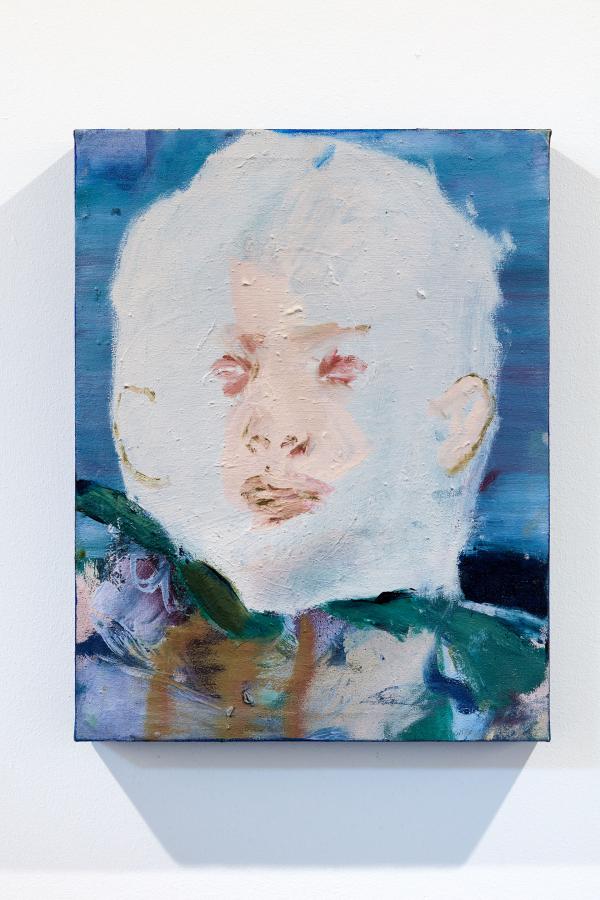
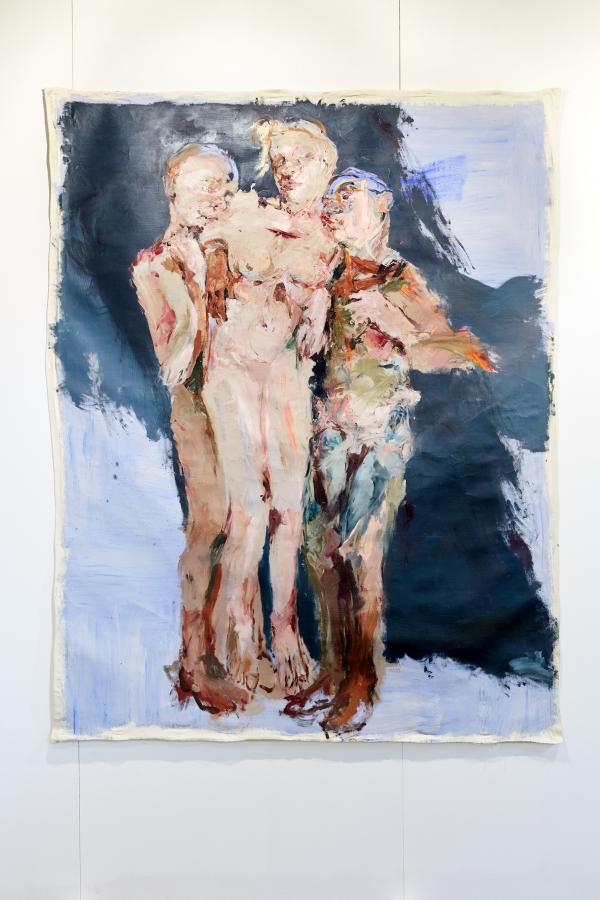
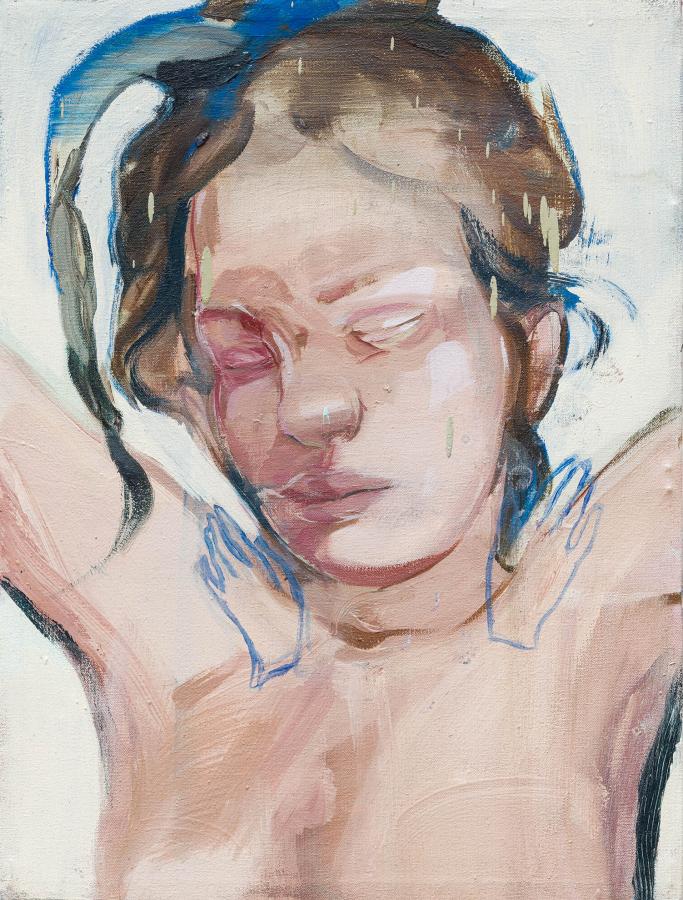
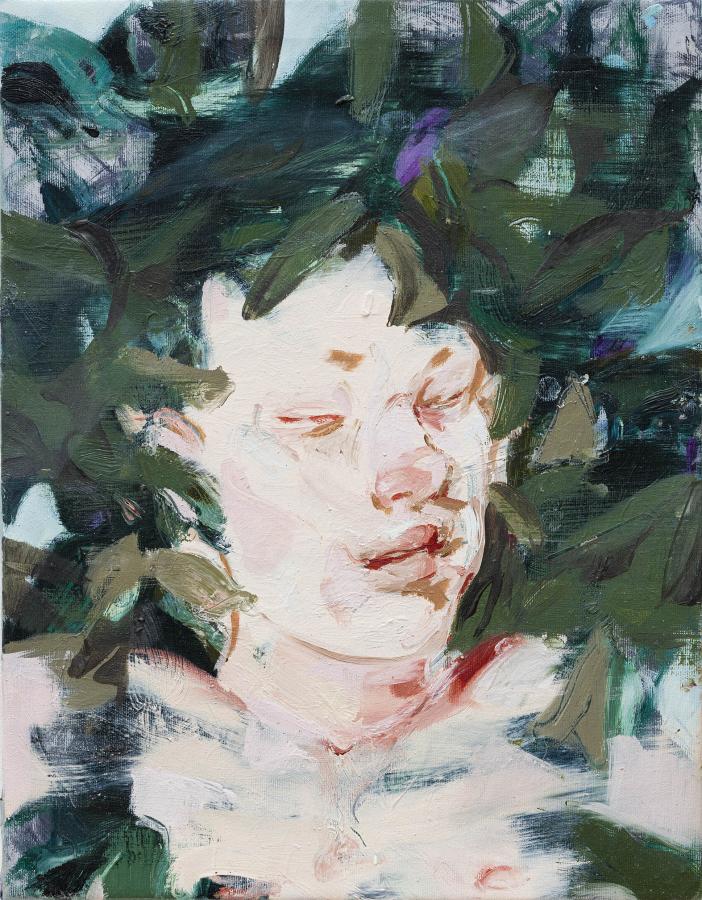
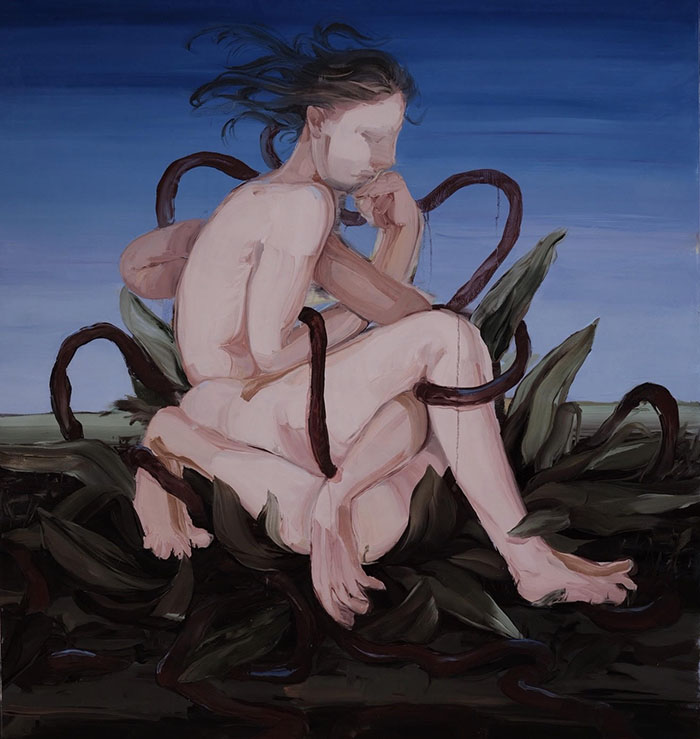
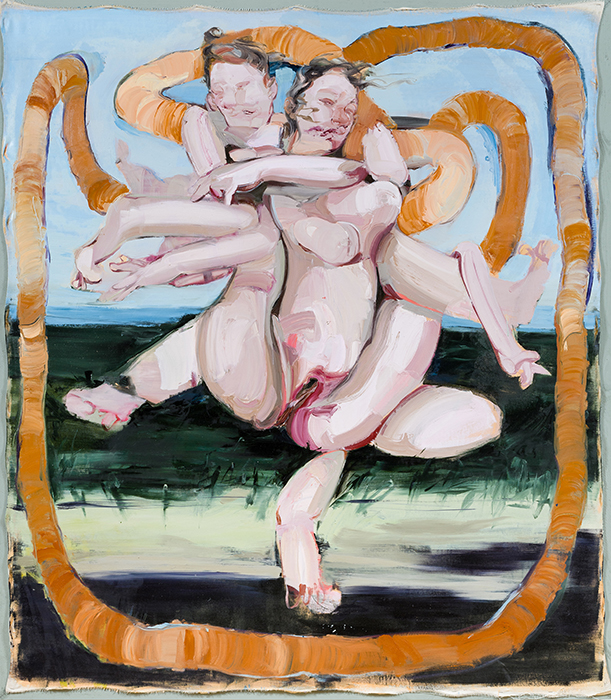
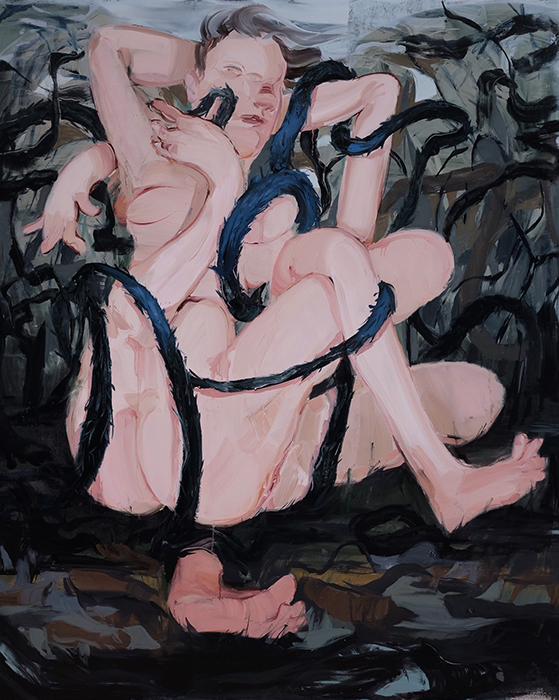
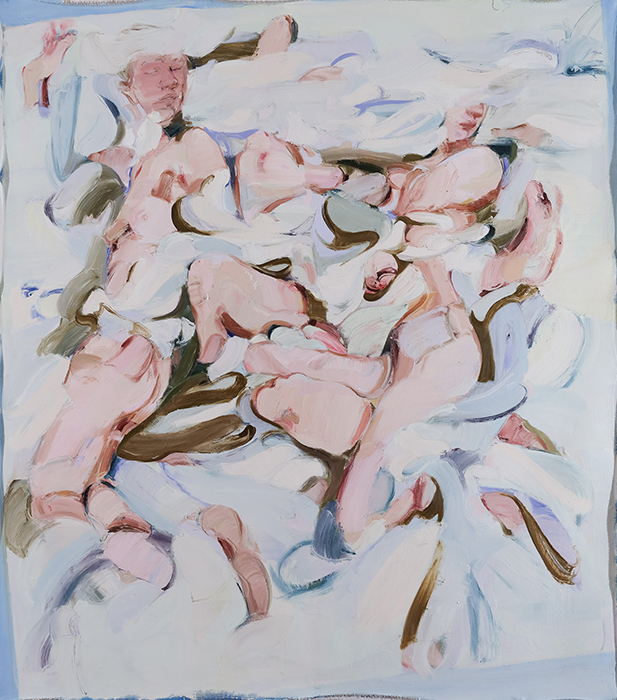
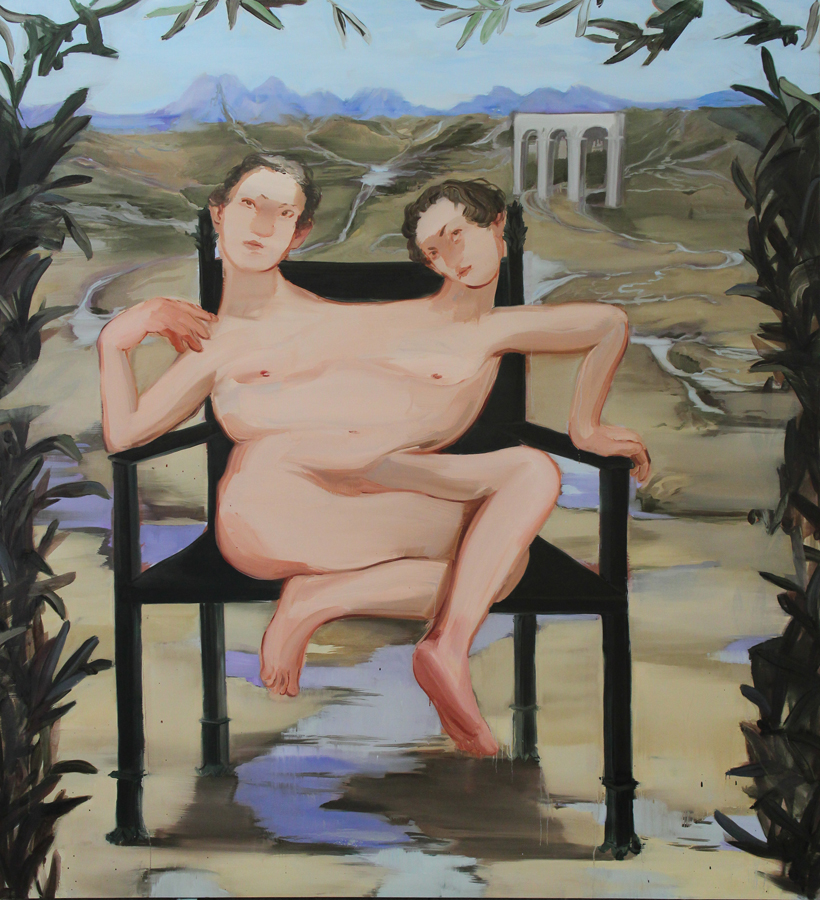
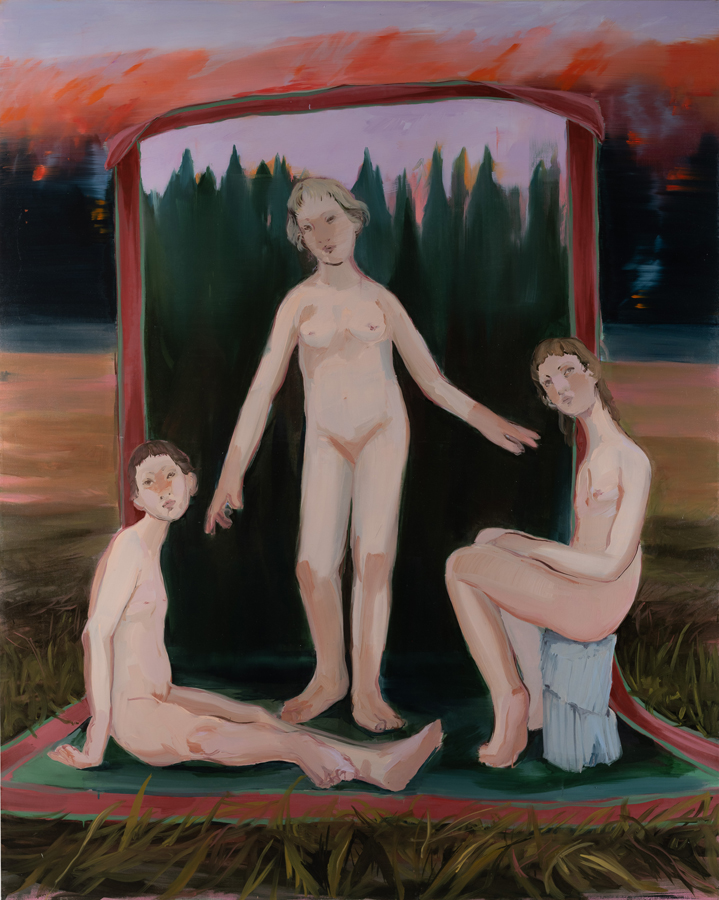
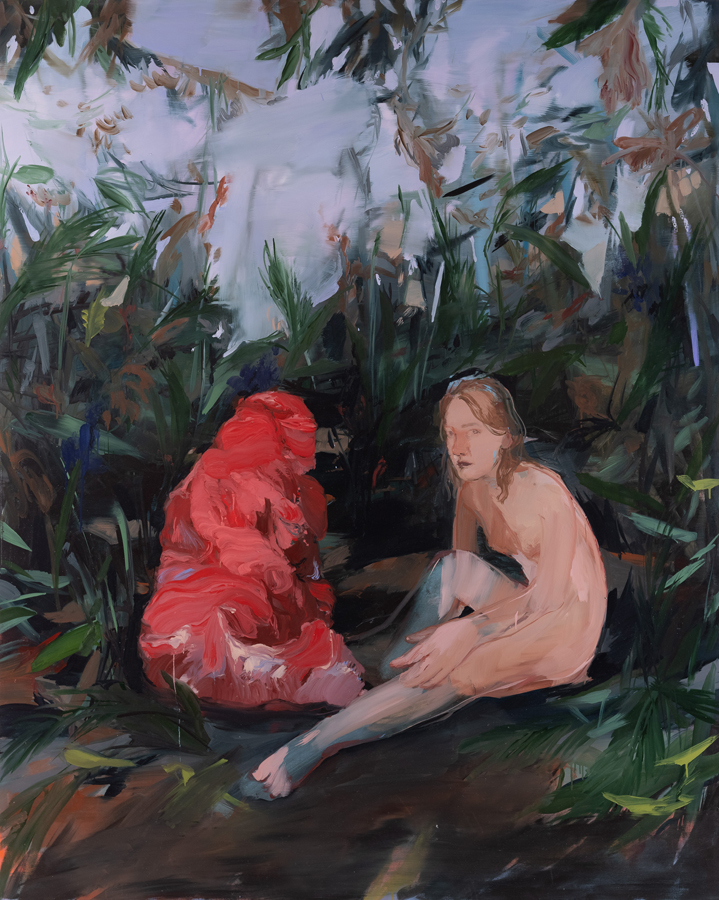
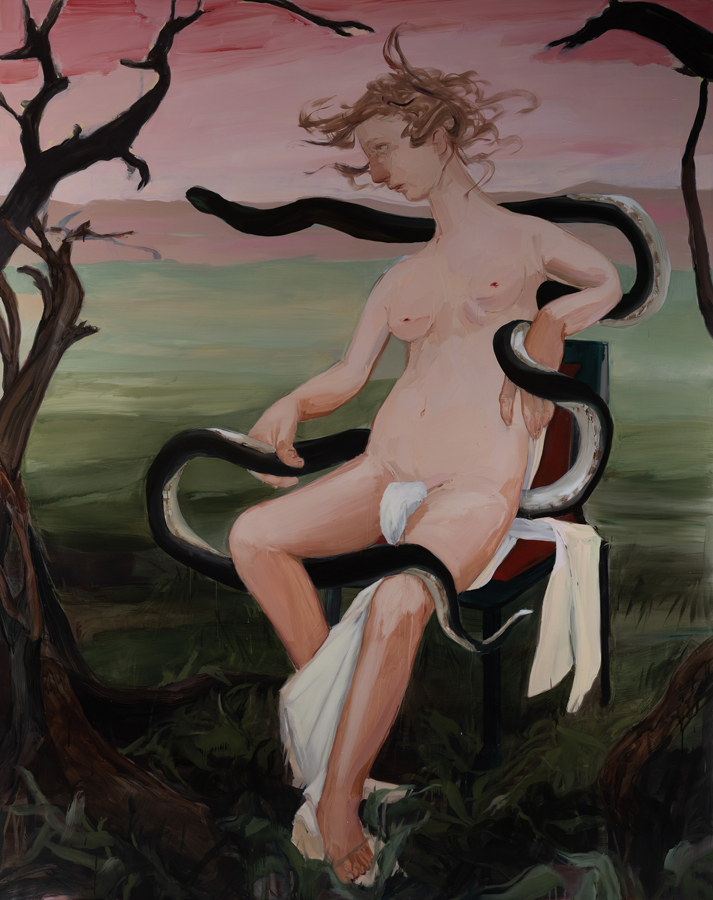
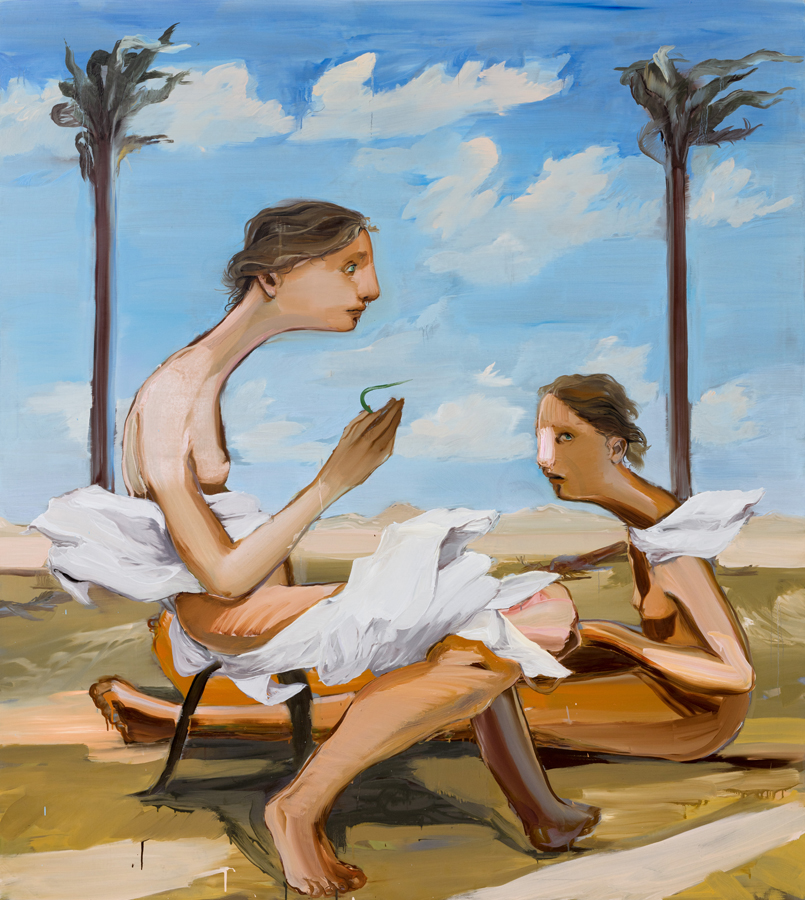
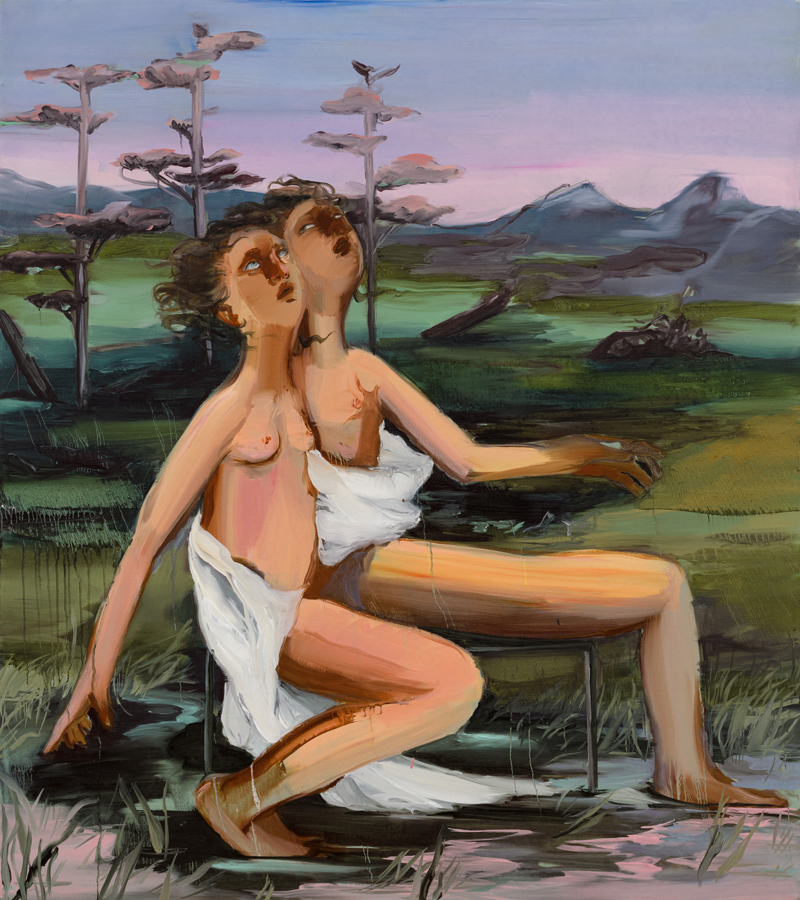
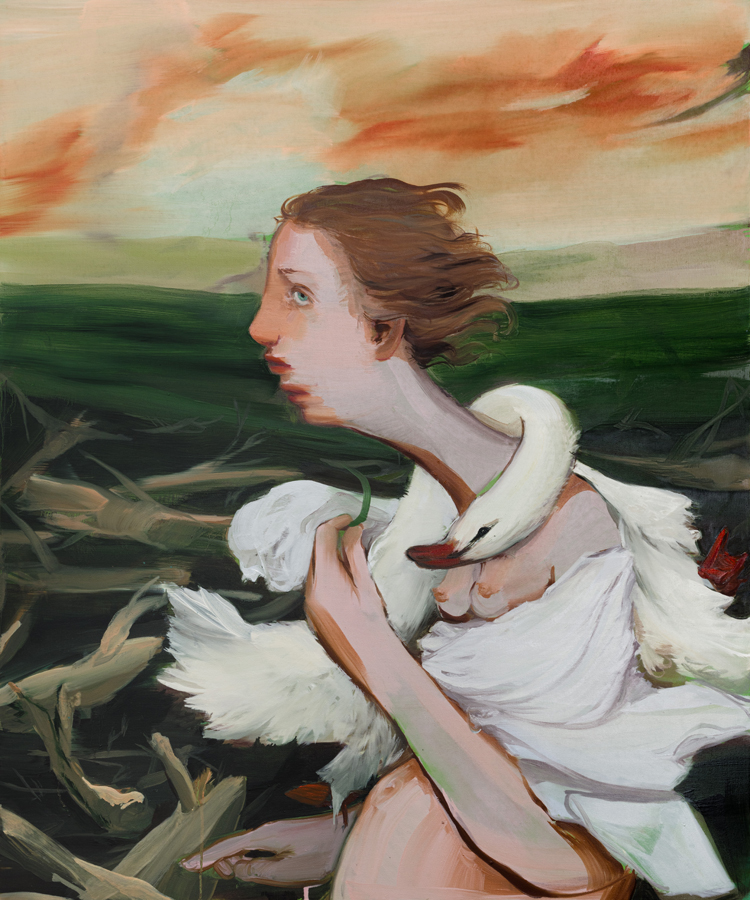
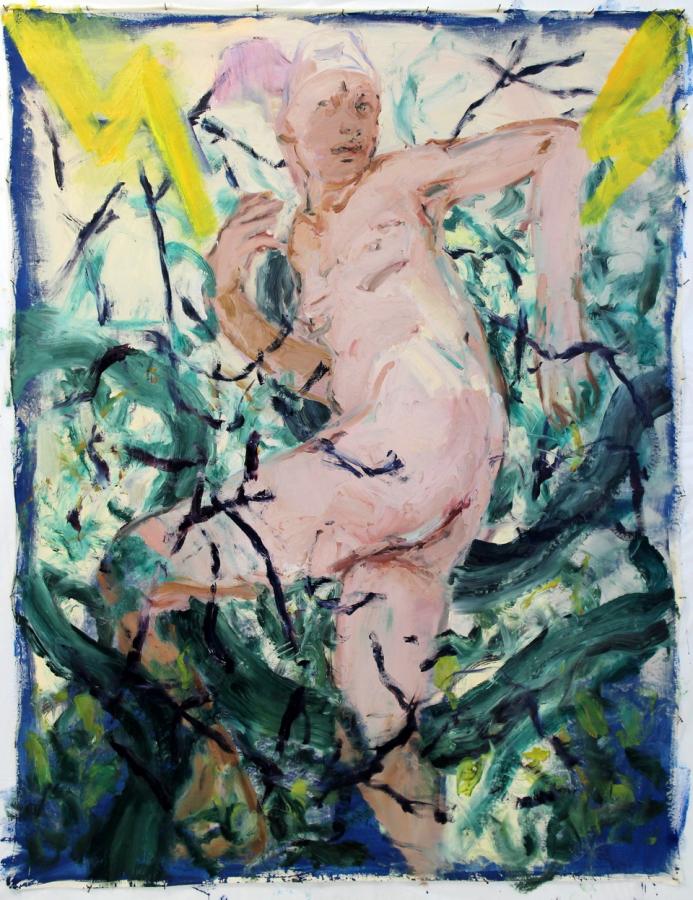
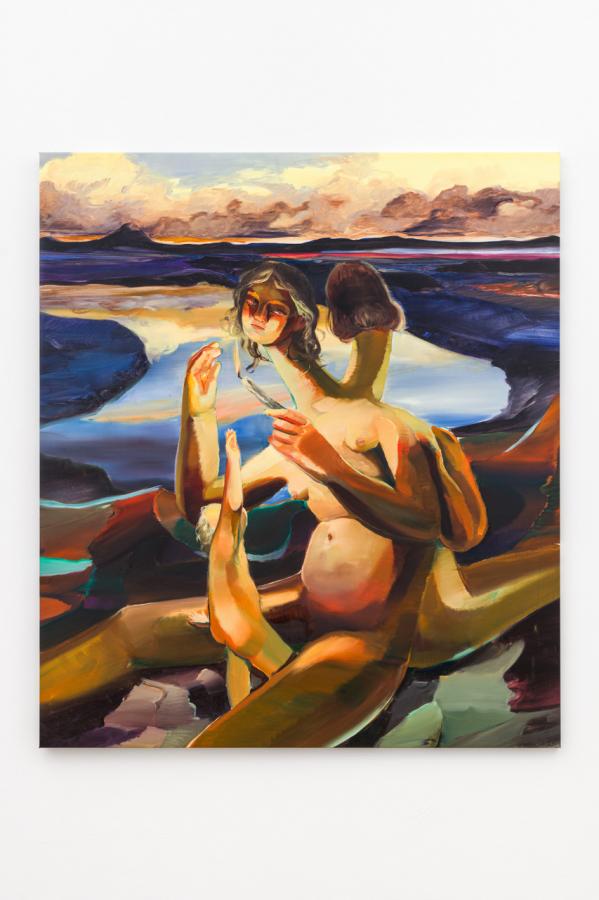
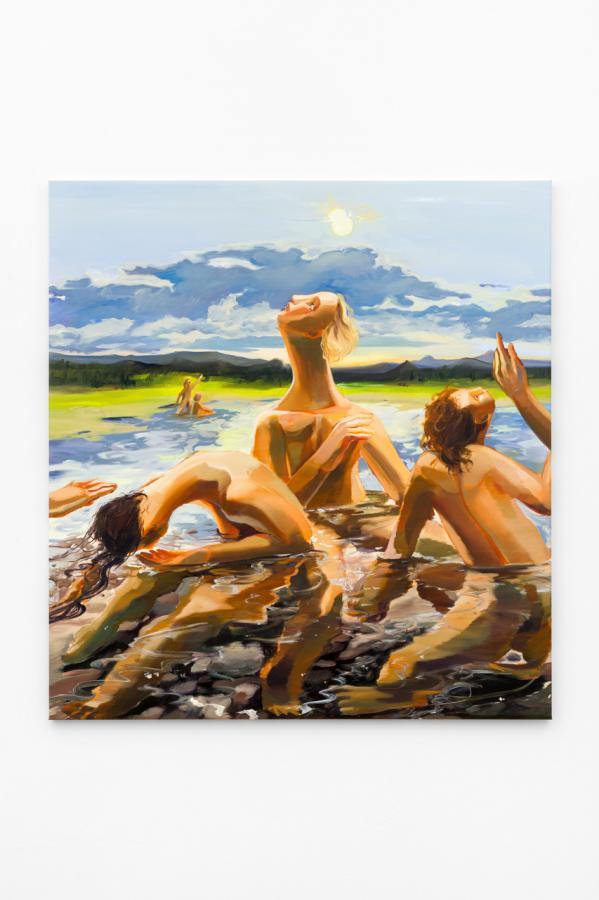
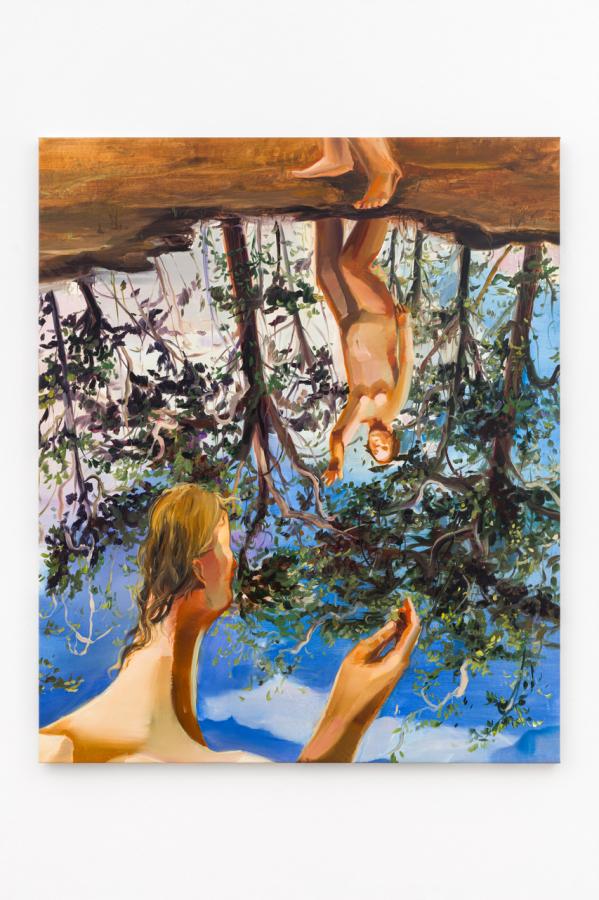
Working primarily on large-scale canvases, RÓZSA's early oil paintings were influenced by the compositional strategies of Francis Bacon and Georg Baselitz. Her figures are set against deliberately neutral backgrounds in relation to time and space. Over time, she developed a distinctive visual language characterised by the gestural boldness of figurative painting, where colour, volume and materiality take centre stage. This personal evolution marked a departure from the dominance of her earlier artistic references, allowing a distinctly feminine sensibility to emerge. Her focus turns inward, exploring the experience of individual existence and the fragile, often conflicted nature of the Self. She investigates the ego's temporality in contrast with the illusory permanence of the surrounding world. Her become meditations on the absurd, especially Albert Camus' with the Self striving for meaning and identity, yet constantly threatened by the relentless forces of time and space.
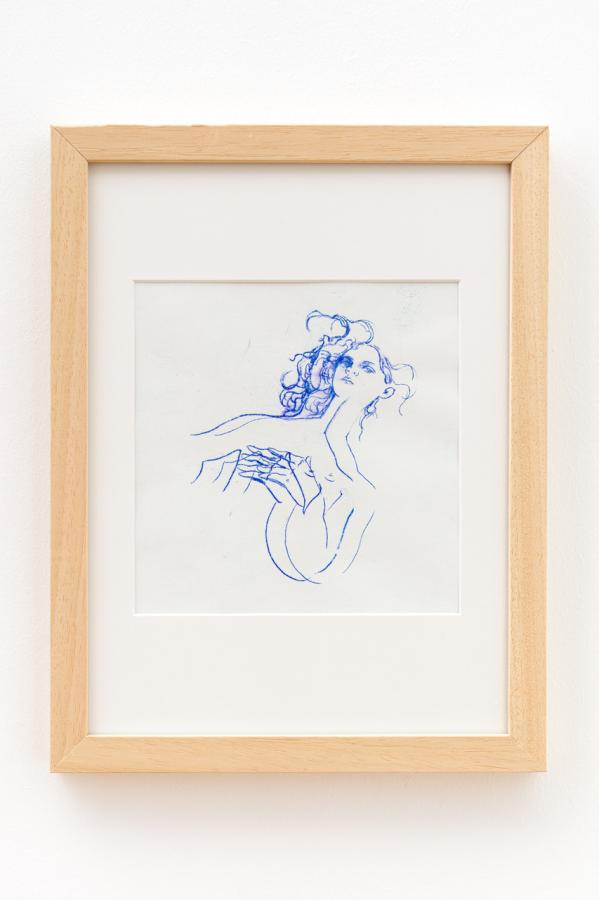
RÓZSA's works are contemporary reflections on 15th-17th-century religious iconography and the compositional theories of representative portraiture. Her expressive brushwork is confidently executed; she rarely uses models, so her gestures serve as immediate, instinctive translations of thought into images. The central figure in her work is the historical man, the European man, shaped by a Judeo-Christian cultural tradition who attempts to reconcile spiritual depth with the rigid dogmas of cultural inheritance.
In this way, her painting articulates a new 21st-century sensibility, deeply rooted in art history while openly confronting the existential challenges of contemporary life.
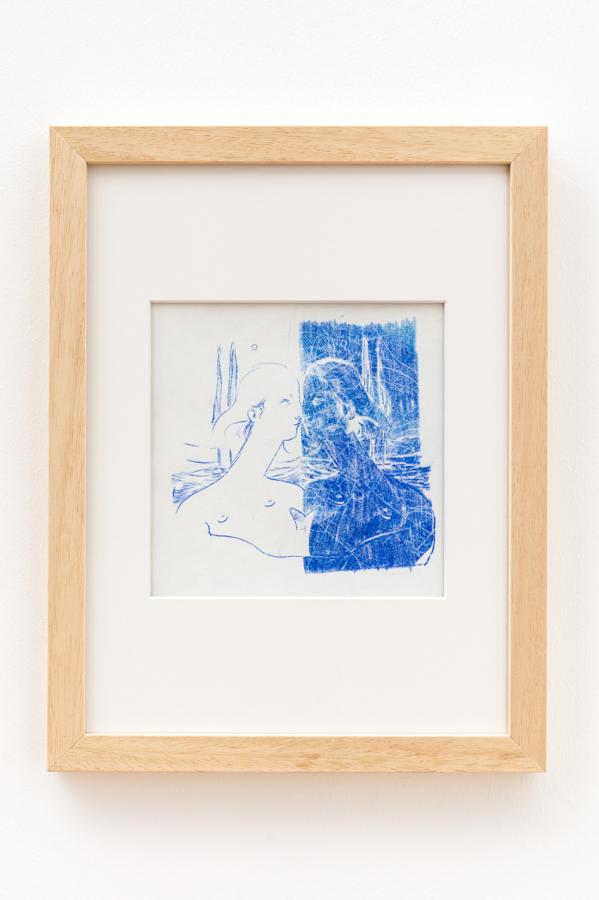
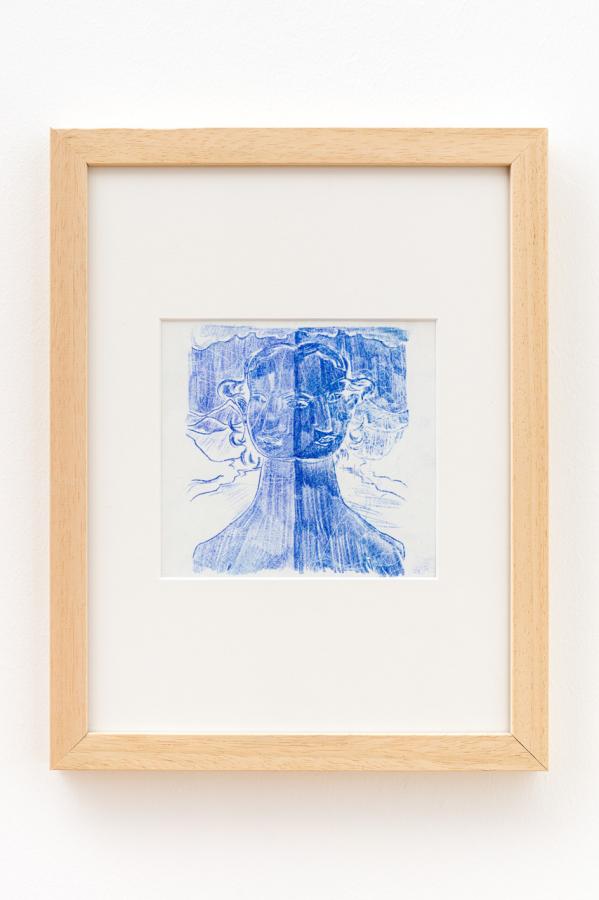
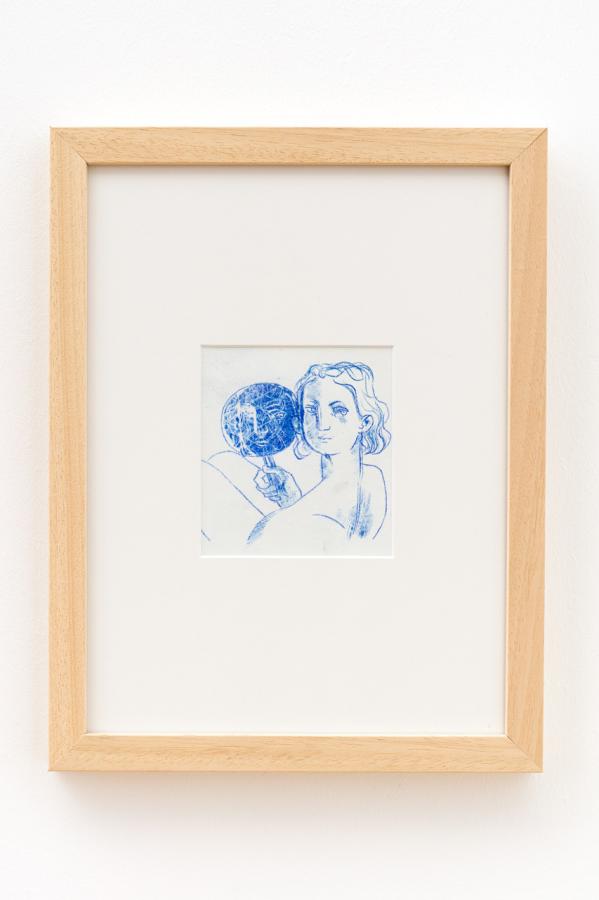
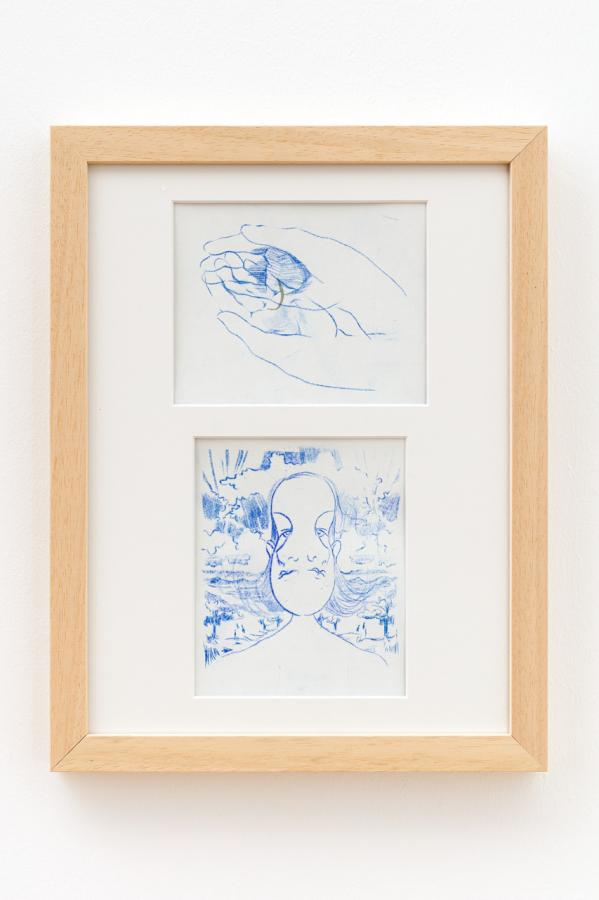
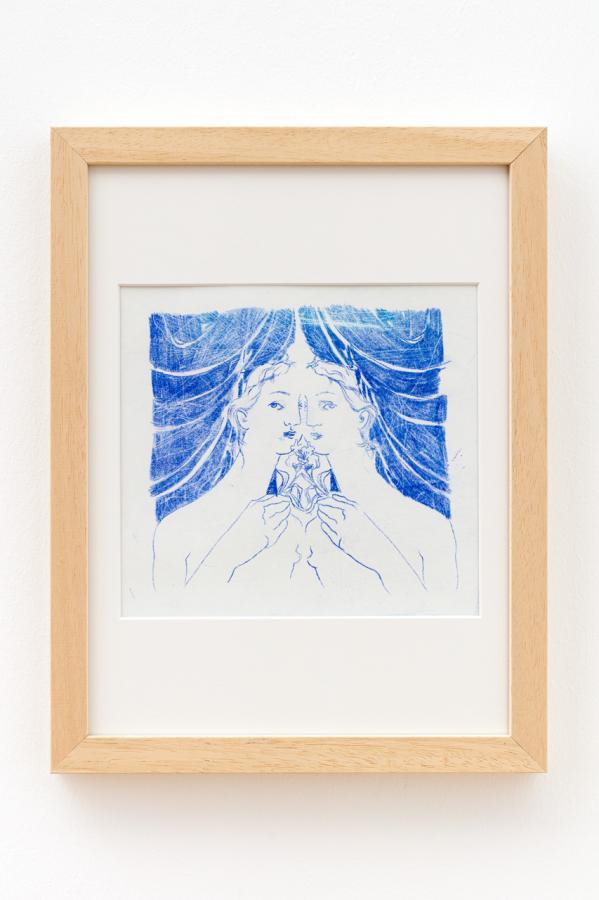
Luca Sára RÓZSA (1990, Budapest) is one of the most recognised talents of her generation, shaping the landscape of contemporary Hungarian figurative painting.
Working primarily on large-scale canvases, RÓZSA’s early oil paintings were influenced by the compositional strategies of Francis Bacon and Georg Baselitz. Her figures are set against deliberately neutral backgrounds in relation to time and space. Over time, she developed a distinctive visual language characterised by the gestural boldness of figurative painting, where colour, volume and materiality take centre stage. This personal evolution marked a departure from the dominance of her earlier artistic references, allowing a distinctly feminine sensibility to emerge. Her focus turns inward, exploring the experience of individual existence and the fragile, often conflicted nature of the Self. She investigates the ego’s temporality in contrast with the illusory permanence of the surrounding world. Her become meditations on the absurd, especially Albert Camus’ with the Self striving for meaning and identity, yet constantly threatened by the relentless forces of time and space.
RÓZSA’s works are contemporary reflections on 15th–17th-century religious iconography and the compositional theories of representative portraiture. Her expressive brushwork is confidently executed; she rarely uses models, so her gestures serve as immediate, instinctive translations of thought into images. The central figure in her work is the historical man, the European man, shaped by a Judeo-Christian cultural tradition who attempts to reconcile spiritual depth with the rigid dogmas of cultural inheritance.
In this way, her painting articulates a new 21st-century sensibility, deeply rooted in art history while openly confronting the existential challenges of contemporary life.
|
BIO
|
|||||||||||||||||||||||